REVIEW · PHUKET
Phuket Scuba Diving: Racha Island Or Maiton Island For All Levels
Book on Viator →Operated by VGA Vacation · Bookable on Viator
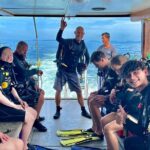
First tank in Phuket feels like a movie. This 4-hour small-group program takes you by fast boat to Racha or Maiton, with PADI/SSI instructors and real open-water experience, not a pool start. I love the max-2 coaching that keeps first-timers calm and organized, and I love that non-swimmers can still join on beginner options or snorkel alongside. One thing to plan for: if wind and sea are rough, the boat ride can run longer and shift timing.
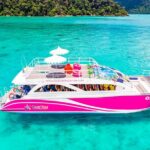
Check in at Chalong Pier, then head toward Ko Mai Thon, Racha Yai, and Racha Noi. I also like that the basics are handled end-to-end: bottled water, soda, fruit and snacks on board, plus meals depending on your package, and full equipment with insurance. Names that kept coming up in the teams I saw described are Chang and Eak, both praised for patient setup and close attention in the water.
The group size is small (up to 12 on board, with only a couple in the water at once), so you avoid the feeling of being herded around. I like that the day is built around different experience levels, from shore-based tries for photos to more structured practice for certified participants. Keep reef rules in mind: one unhappy account described coral contact, and the operator later said coral-touching should not happen and that they’ll tighten training and discipline, so ask your instructor what hands-off behavior looks like for your session.
In This Review
- Key Points You’ll Feel During Your Trip
- Racha Island vs Maiton Island: which Phuket waters fit you
- Price and Logistics: what $97.79 really covers
- From Chalong Pier to the First Underwater Spot
- Ko Mai Thon, Racha Yai, Racha Noi, and Coral Island: your day by stop
- Stop 1: Ko Mai Thon Island
- Stop 2: Ko Racha Yai
- Stop 3: Ko Racha Noi
- Stop 4: Coral Island
- Beginner-friendly options: what happens if you have no certification
- Certified participants: practice sessions and fun with structure
- Marine life expectations: what you might see, and what varies
- Who should book this trip (and who should skip it)
- Should You Book This Phuket scuba session to Racha or Maiton?
- FAQ
- Do I need scuba certification to join?
- Can I participate if I cannot swim?
- What’s included in the price?
- How long is the experience, and where do we meet?
- Is snorkeling included if someone doesn’t want to go underwater?
- Are underwater photos and video included?
- What happens if weather is bad?
Key Points You’ll Feel During Your Trip
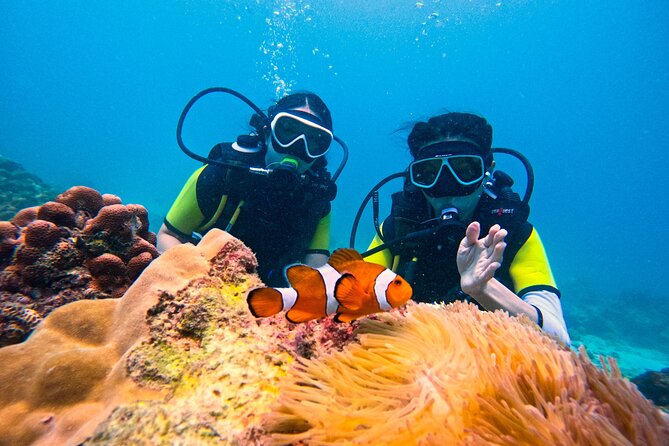
- Max-2 coaching with PADI/SSI instructors, so you get real feedback instead of generic instructions
- Racha vs Maiton choice: Racha for classic marine sightings, Maiton for privacy and a quieter feel
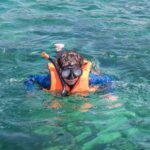
- Beginner-friendly options that don’t require prior certification, plus snorkeling included for non-participants
- Meals and snacks on the boat with bottled water and soda, so you’re not hungry between spots
- Reef etiquette matters: you’ll want clear guidance on buoyancy and hands-off coral
Racha Island vs Maiton Island: which Phuket waters fit you
Phuket’s west side can feel like a buffet of activities. This trip is different because the “where” is tied to what you want underwater.
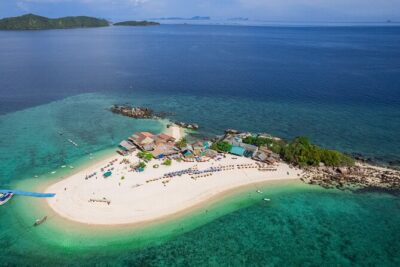
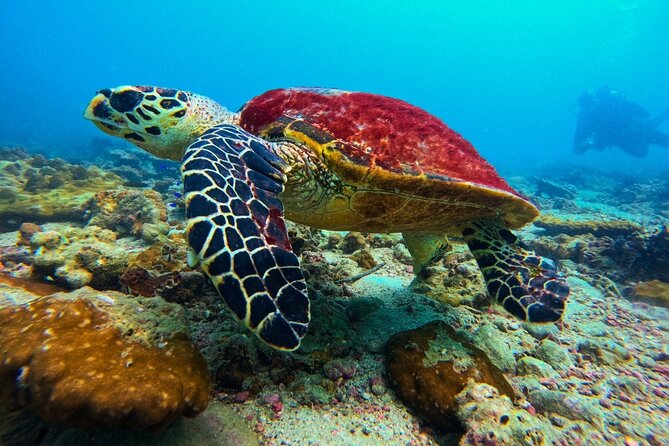
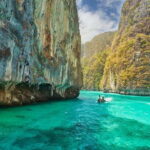
If you choose Racha, you’re aiming for the more famous marine-spot style of Phuket diving-shelf locations: coral, sea turtles, and reports of manta rays show up in the descriptions. Racha Yai is the anchor spot, and Racha Noi is often treated as the highlight if you’re doing the longer Racha options. People talk about it as a short boat ride from Phuket, which helps when you want to spend more time in the water and less time traveling.
If you choose Maiton (Ko Mai Thon), the focus shifts to privacy. The program describes Maiton as a non-touristic setting for a more controlled, less crowded underwater experience, and it’s also known for dolphins. In practice, that means you’re more likely to feel like you’re sharing the water with a small group, not a floating traffic jam.
A quick reality check: marine life is never guaranteed. One account noted visibility and animal variety were excellent on Maiton, while another mentioned the reef condition can vary. The good news is the instruction is designed to help you feel confident enough to enjoy what you can see.
You can also read our reviews of more scuba diving tours in Phuket
Price and Logistics: what $97.79 really covers
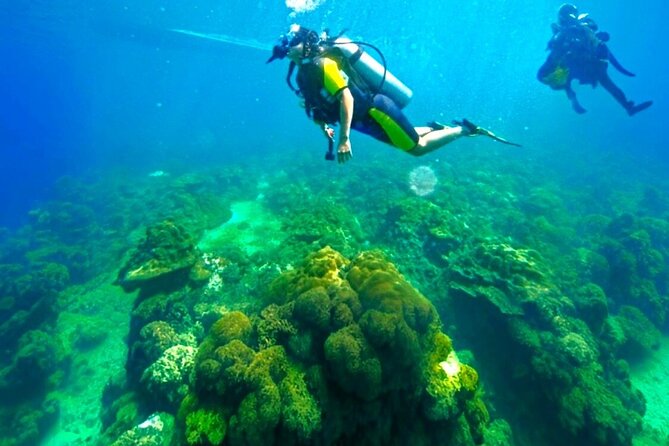
At about $97.79 per person for roughly four hours, the value comes from what’s bundled instead of what you’re expected to figure out yourself.
You get:
- Full scuba equipment (mask, snorkel, fins, BCD jacket, weights, regulator, air tank)
- Insurance included
- On-board snacks like fruit plus bottled water and soda
- Meals depending on your package (breakfast for A2/A3, lunch for A1/A2/A3)
That matters because the biggest hidden cost in water activities is usually the “extras tax”: gear rental, coaching, food, and the boat ride. Here, most of the essentials are already wrapped into the price.
Two additional notes that affect how you plan your budget:
- Underwater photos and video are not included. The operator lists 1500 THB if you give advance notice, and up to 3000 THB without notice.
- A new mouthpiece is 350 THB cash only if needed.
Pickup is offered, and there’s also a private transportation cost listed (1400–1800 THB) for certain areas. If you’re staying in central Phuket Town or along specific neighborhoods, you’ll want to check if your pickup is included or if you’ll be quoted for a car.
From Chalong Pier to the First Underwater Spot
Most trips start from Chalong Pier (the provided meeting point is 66/68 Phuket Dive Trip, Chalong Pier). From there, you’re on a fast boat toward the island chain.
One thing I genuinely appreciate in programs like this is how they handle the “getting there” phase. Here, the boat plan is built for time in the water. In multiple accounts, people describe smooth organization on the water and a crew that runs the day without wasting time.
Still, sea conditions can change the clock. One account said travel to the site took around an hour instead of the expected shorter window because of wind direction and rougher seas. The key thing is that the operator states they aim not to shorten your actual underwater time when travel gets delayed, though your overall timing can shift.
If you’re prone to motion sickness, bring what works for you. Nothing in the details promises a guaranteed calm ride.
Ko Mai Thon, Racha Yai, Racha Noi, and Coral Island: your day by stop
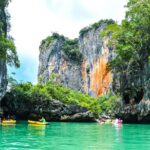
Your exact stops depend on which option you book (Maiton half-day versus Racha-focused longer options). The program’s stop list includes these islands:
Stop 1: Ko Mai Thon Island
This is the starting point for Maiton-style experiences. The program frames Ko Mai Thon / Maiton as more exclusive and less crowded. People also link Maiton with dolphin sightings, so it’s worth keeping your eyes up when you’re on the surface.



Stop 2: Ko Racha Yai
Racha Yai is often the main event spot for marine life. It’s where the program points when it says you’ll explore coral and watch for big-ticket animals like sea turtles, with some descriptions also mentioning manta rays.
Stop 3: Ko Racha Noi
Racha Noi is typically treated as the “second act” that keeps improving the day. If you’re doing the longer Racha options (like the ones that include both Yai and Noi), this is where you’re more likely to feel the payoff of paying for the extra time.
Stop 4: Coral Island
Coral Island appears on the broader stop list. In practice, this often works as an additional underwater or surface time point depending on conditions and your package.
A practical tip: don’t treat each stop as a guaranteed checklist. Conditions decide what’s easiest to see. Your best strategy is to focus on feeling comfortable underwater and letting the instructor guide you to what’s working that day.
Beginner-friendly options: what happens if you have no certification
This is the part of the program that feels most intentionally designed for newcomers.
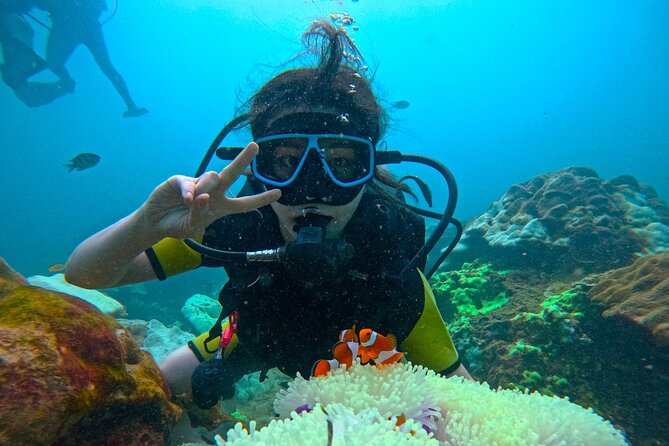
The operator offers options for people with no prior certification, and the details specifically say beginners and non-certified participants can choose:
- A short shore option (listed as Try 1 from the beach, about 30–35 minutes, described as good for photos)
- A longer structured option (listed as Discover for additional underwater sessions)
They also explicitly state that people who cannot swim can participate. That doesn’t mean you’ll be tossed into deep water with zero support. It does mean you’re expected to follow the instructor’s guidance closely, show up fit and healthy, and communicate honestly about comfort level.
You’ll also notice the staff repeatedly described a teaching style built on confidence:
- Clear explanations before the session
- Patient pacing
- Close supervision
In several accounts, instructors named Chang and Jo are mentioned for attentiveness, plus the sense that you’re learning as you go rather than being tested.
If you’re nervous about ear pressure, buoyancy, or descending slowly, bring it up right away. One account reported ear discomfort connected to pressure changes, so slow descents and controlled breathing are worth asking for.
Certified participants: practice sessions and fun with structure
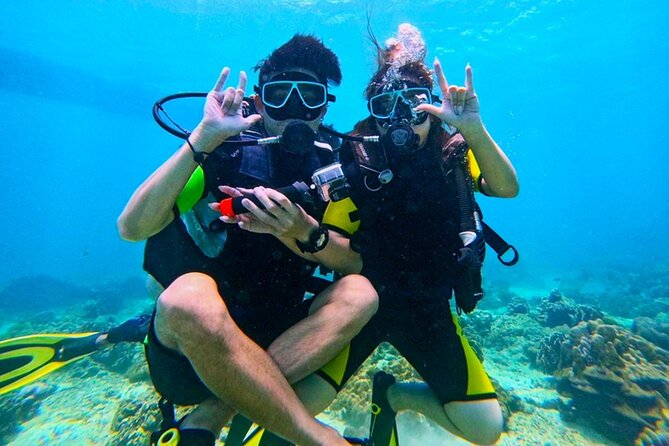
If you’re already certified, you’re not necessarily stuck with the same “first-timer pace.” The program lists options for certified participants that include:
- Fun underwater sessions
- Scuba review sessions
Think of the review option as a chance to reset skills and get you neutrally buoyant enough to enjoy looking around instead of fighting your body in the water.
A detail that matters here: the program describes intimate group structure with an instructor-to-participant ratio that can be close (some accounts describe setups like 1 instructor for 2 participants, with moments where more individual coaching happens). That’s the kind of structure that helps certified participants practice fundamentals without feeling like the day is only about supervising beginners.
Also, there’s a practical benefit to choosing Racha or Maiton over longer, busier routes: less crowd energy often means fewer distractions while you’re working on trim and breathing.
Marine life expectations: what you might see, and what varies
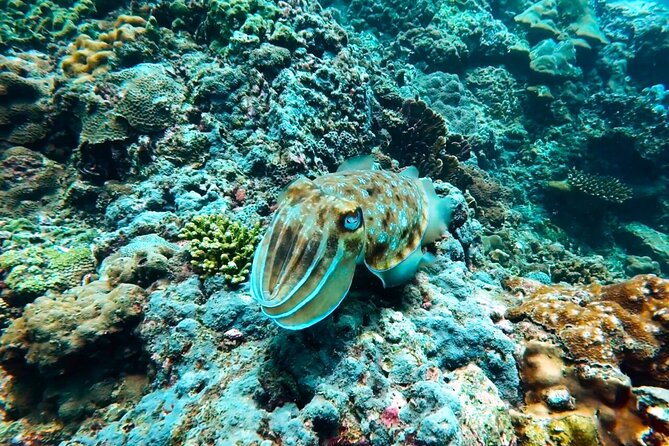
Marine life is the big reason to do this at all. The program language and the accounts around it suggest a good mix depending on the island and conditions.
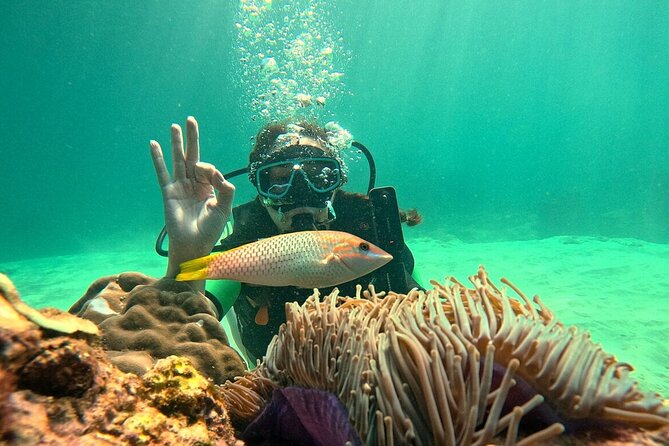
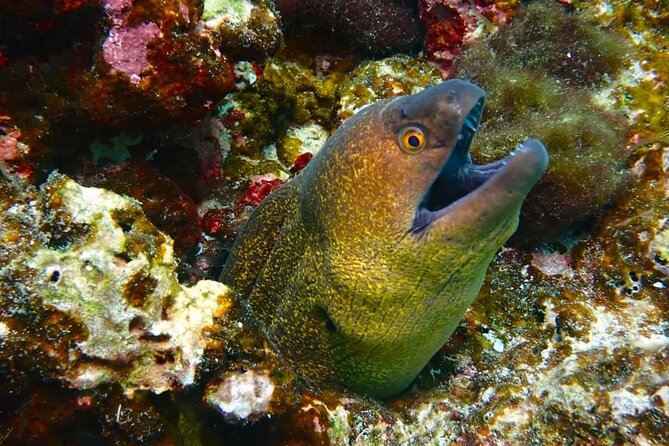
On Racha, you’re set up for classic coral-garden viewing. The program explicitly mentions sea turtles and manta rays as possibilities. In general descriptions, people also report clownfish and other colorful reef fish, plus encounters like octopus.
On Maiton, the setup often feels more controlled and quieter, which can make animal spotting easier. Accounts describe excellent visibility and lots of sea creature variety, including cuttlefish and other reef life.
Two realities to keep you grounded:
- Reef condition can vary day to day. One account noted a spot where the reef looked less alive. That’s not something you control, and it’s why “good instruction” matters: it helps you enjoy the water even if the reef isn’t at its peak.
- Reef behavior is part of the experience. One complaint described participants being grabbed or nudged toward coral. The operator’s response says coral-touching should not happen, and that they handled the incident as a training and discipline issue. Your takeaway: if you ever feel your instructor isn’t enforcing hands-off behavior, speak up immediately.
Who should book this trip (and who should skip it)
This trip fits best if you:
- Want a small-group underwater day rather than a crowded setup
- Are a beginner who wants instruction that includes safety checks and real coaching
- Have a mixed group (one person scuba, others snorkeling), since snorkeling is included for non-participants
- Want to compare Racha (classic spots) versus Maiton (more private feel, dolphin potential)
It might not be the best match if:
- You need a completely predictable timing guarantee. Weather and wind can affect the boat ride.
- You’re extremely sensitive to ear pressure. You can still go, but you should tell the instructor before you start.
- You’re traveling with very young kids. The program lists children age 10 and up only.
Also, you must be fit and healthy. That’s stated directly, and it matters because the training is hands-on and safety-focused.
Should You Book This Phuket scuba session to Racha or Maiton?
Book it if you want a structured, instructor-led underwater day with small groups and clear options for beginners. The price is easier to justify because equipment, insurance, meals/snacks, and coaching are included, and the company emphasizes real open-water experience rather than a pool-based setup.
Skip or rethink if you strongly prefer:
- A totally silent, no-instruction type of experience
- Guaranteed calm sea conditions
- A reef where you never have to think about buoyancy and hands-off rules
Before you go, do two simple things:
1) Pick your island based on your mood: Racha for the well-known marine-spot feel, Maiton for privacy and a quieter tone.
2) Tell your instructor your comfort priorities (ear pressure sensitivity, nervousness, swimming ability). The program is set up to coach you, but it works best when you communicate early.
FAQ
Do I need scuba certification to join?
You can join without certification. The program lists beginner and non-certified options with structured packages at Maiton and Racha.
Can I participate if I cannot swim?
The program states that people who cannot swim can still participate. You still need to be fit and healthy and follow the instructor’s guidance.
What’s included in the price?
The price includes scuba equipment (mask/snorkel, fins, BCD jacket, weights, regulator, air tank), insurance, bottled water, soda, and snacks/fruit on board. Snorkeling equipment (snorkel mask) is included for non-participants. Meals depend on the package: breakfast in A2 and A3, and lunch in A1, A2, and A3.
How long is the experience, and where do we meet?
The experience is about 4 hours. The meeting point provided is Phuket Dive Trip at Chalong Pier (66/68 Phuket Dive Trip Chalong Pier).
Is snorkeling included if someone doesn’t want to go underwater?
Yes. The program includes snorkeling for non-participants.
Are underwater photos and video included?
No. Underwater photos and videos require an extra payment. The details list 1500 THB if you request in advance, and up to 3000 THB without advance notice.
What happens if weather is bad?
This activity requires good weather. If it’s canceled due to poor weather, you’re offered a different date or a full refund.