REVIEW · PHUKET
Scuba Diving Daytrip to Racha Yai
Book on Viator →Operated by Sea Bees Diving - Chalong · Bookable on Viator
A morning that starts with gear and coffee is a good sign. This Racha Yai daytrip pairs hotel pickup with a full day at sea, including breakfast and lunch onboard, a roomy boat, and a small enough group size (max 40) that the crew can actually keep an eye on you.
What I like most is the 4:1 guide-to-guest ratio for underwater time, plus the hands-on, practical feel of the operation—clean boat, professional briefings, and staff who show up ready to help. One thing to plan for: the price covers the trip, meals, and transport, but scuba equipment is extra ($15), and the day depends on weather working with you.
In This Review
- Key things to know before you go
- Racha Yai, the practical choice for a Phuket sea day
- Chalong Pier morning: pickup, check-in, and getting ready fast
- Two underwater sessions: what the day is actually built around
- Certified participants and the 20-meter limit
- What you’ll feel during the schedule
- Snorkelers and non-certified guests: what’s included and what to expect
- Comfort on the boat: food, showers, and the “between sessions” rhythm
- Price and value: why $90 can be fair (and where the extras hit)
- Who should book this Racha Yai daytrip (and who should pause)
- Weather and pickup: how to protect your day
- Should you book the Sea Bees Racha Yai daytrip?
Key things to know before you go
- 4:1 guide-to-guest ratio for the underwater sessions (certified participants go up to 20 meters)
- Breakfast and cooked lunch onboard plus coffee/tea and snacks
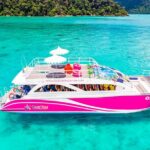
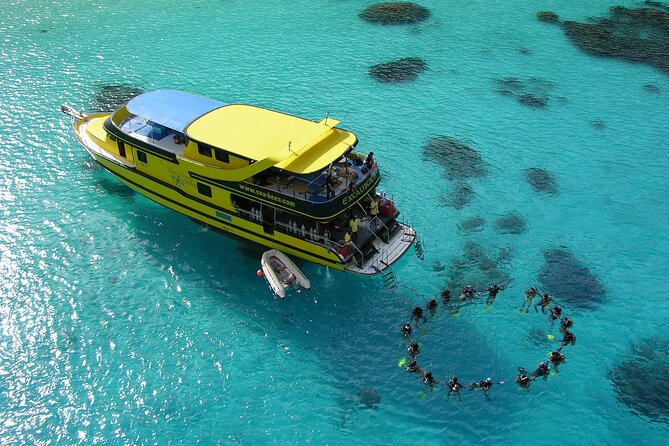
- Covered sundeck and indoor showers so you’re not stuck sweaty or sandy
- Non-certified option: 2 sessions up to 8 meters with the right supervision
- Small group format with a maximum of 40 travelers
- Chalong Pier start time of 8:00 am with transport arranged from your hotel
Racha Yai, the practical choice for a Phuket sea day
If you want a day that feels like a real island escape without losing half your vacation to travel, Racha Yai is built for that. The trip runs about 8 hours and focuses on a short list of high-value moments: get fitted, get briefed, get on the water, and spend the day doing underwater viewing (or snorkeling) around the island.
I also like that the operator brings structure. This isn’t a “show up and hope” setup. You’ll be working from a plan with two underwater sessions, multilingual guide support, and crew who handle the equipment, meal service, and boarding rhythm so you can just follow along.
There’s also a strong “comfort after” angle. Indoor showers and a covered sundeck matter more than people think. Salt water dries fast, and shade helps when you’re waiting between sessions.
You can also read our reviews of more scuba diving tours in Phuket


Chalong Pier morning: pickup, check-in, and getting ready fast
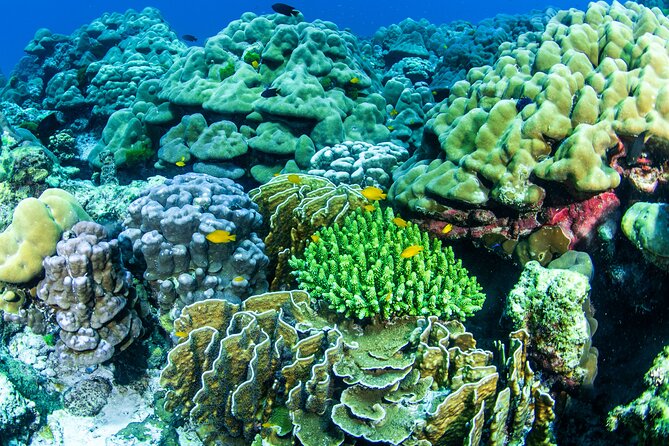
The day kicks off at 8:00 am with pickup from your hotel area (private transportation is included). You’ll then head to the scuba center to gear up before the boat leaves from Chalong Pier.
This matters for two reasons. First, fitting gear takes time, and you don’t want to rush it right before your first underwater session. Second, a calm check-in usually means calmer nerves—especially if you’re doing this as a first timer.
The trip uses mobile tickets, and you should receive confirmation when you book. That’s helpful because morning activities are all about reducing uncertainty. Still, based on real-world reports tied to pickup confusion, I’d recommend you keep your hotel concierge looped in and re-check your pickup time the night before. Morning no-shows are rare, but a simple confirmation call can save your whole day.
Two underwater sessions: what the day is actually built around
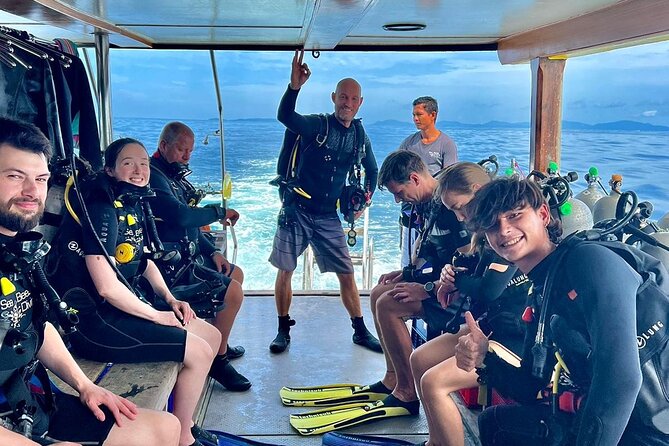
The main event here is two underwater sessions on the Racha Yai trip. You’re not doing a long, drawn-out itinerary with dozens of stops. Instead, you get a focused “go to the reef/wreck area, do your sessions, eat, relax, head back” format.
Certified participants and the 20-meter limit
For certified scuba participants, the plan includes underwater time up to 20 meters, guided with a 4:1 guide-to-guest ratio. That ratio is a big deal because it usually translates to tighter control of buoyancy, better help during entry/exit, and more time for you to ask questions during briefings.
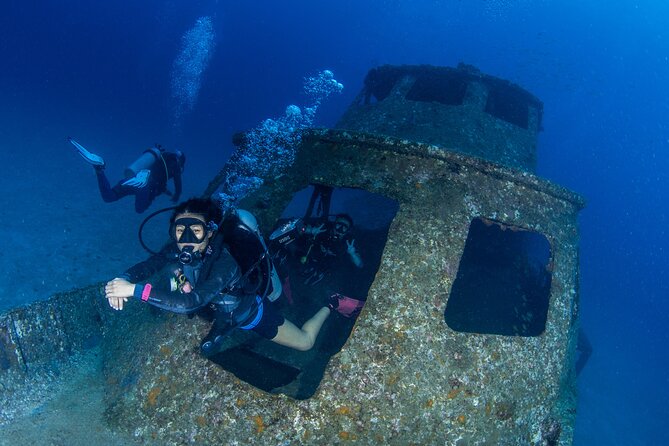
The experience is designed around variety: you can expect coral and marine life, and there are also mentions of intriguing wrecks. Wrecks can be great for photos and exploration, but they also demand a steady head. A strong guide-to-guest setup is one of the best safety/value signals you can get on a day like this.
What you’ll feel during the schedule
Even without knowing every exact site name, you can expect a pattern: briefing, entry, underwater time, surface interval, then a second underwater session. Between sessions, the boat setup helps you recover and stay comfortable—there’s coffee/tea and snacks, and you’ll have deck space to hang out.
If you’re prone to motion sickness, you’ll want to manage that early. You’re on the water for part of the day, and you’ll be returning at the end after the second session. Bring what works for you, and don’t wait until you’re already queasy.





Snorkelers and non-certified guests: what’s included and what to expect
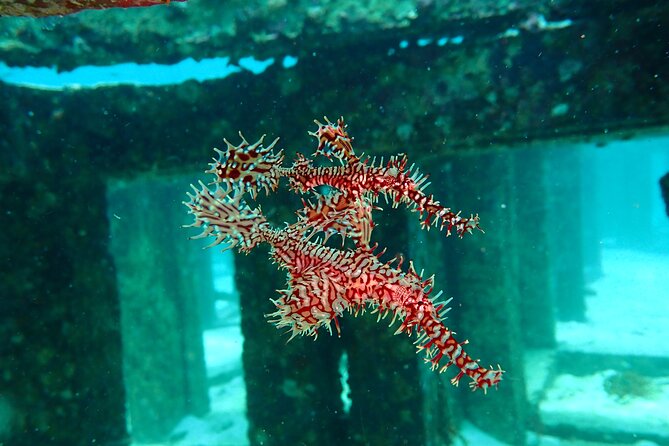
One of the most practical aspects is that this isn’t only for certified scuba participants. If you’re joining as a snorkeler, you can still enjoy the underwater beauty without doing scuba.
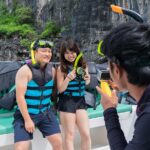
Non-certified guests can also join. The key detail: you get 2 sessions up to 8 meters. That’s a smart depth target because it keeps the experience within an approachable range for supervised first-timers, while still giving you a real sense of being underwater rather than just floating over it.
This is also where guide quality shows up. You’re not just paying for access to water—you’re paying for instruction and supervision during your first attempts. The trip description highlights multilingual support and certified guidance, and the tone from first-timer feedback also points to patience and attention during the learning curve.
If you’re planning this for your first scuba experience, pack your mindset like you’re taking a class. Listen hard during the briefing, ask questions before you get in, and don’t fight the process. Most first-timer confidence comes from simple skills done correctly: buoyancy, breathing rhythm, and staying calm when you’re weightless.
Comfort on the boat: food, showers, and the “between sessions” rhythm
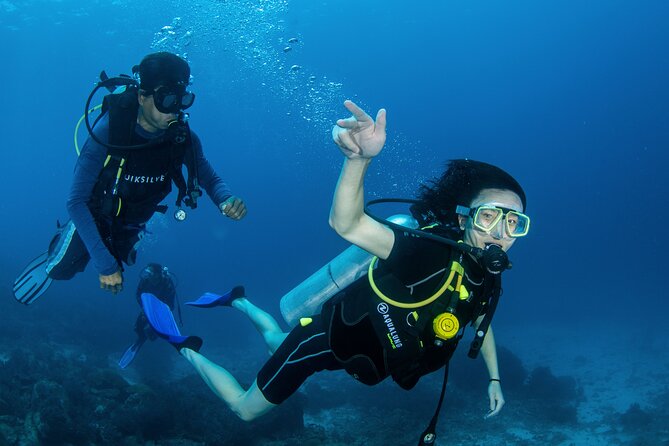
A lot of sea tours say they include lunch. This one gives you a fuller onboard food setup: breakfast buffet and a lunch buffet cooked onboard, plus coffee or tea and snacks.
I like that because it removes a common stress. On daytrips, you’re always timing meals around the water schedule. Here, you’re covered with onboard service, so you can focus on enjoying the day instead of tracking food plans.
From real trip feedback, the food quality stands out, with a mix of Thai and Western cooking. That matters if you’re traveling with people who don’t want “mystery buffet” energy. It’s also a useful indicator that the crew is thinking about more than just the bare minimum.
Then there’s the practical comfort stuff: indoor showers and a covered sundeck. After an ocean day, showers aren’t a luxury—they’re how you avoid the sticky, sandy end-of-trip feeling. The covered deck is the other lifesaver. You’ll spend time between sessions, and shade makes waiting bearable.
Also, you’ll be on a boat operated by the Sea Bees team, with an onboard chef mentioned. That’s a good sign the operation has systems, not chaos.
Price and value: why $90 can be fair (and where the extras hit)
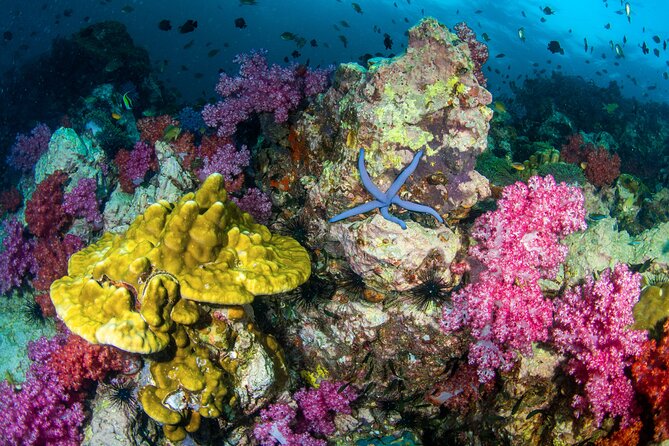
At $90 per person, the headline price looks straightforward, but the value comes from what’s included.
Included in the price:
- private transportation
- breakfast buffet onboard
- lunch buffet onboard (cooked onboard)
- coffee and/or tea
- snacks
Not included:
- scuba equipment use for $15 for the day
Here’s how I’d think about the math if you’re deciding whether it’s worth it. You’re paying for transport plus a full-service boat day plus two underwater sessions with guide support, plus food across the entire stretch. In that context, the equipment fee is the main predictable extra.
So, if you already own your own gear and you’re comfortable using it, the $15 might be less relevant (though you’d still need confirmation on how your own equipment is handled, since that detail isn’t provided here). If you don’t own gear, then assume the final total is closer to $105 for scuba equipment use.
For many Phuket visitors, the real question isn’t the base price—it’s whether you get enough time and care to justify the total. The combination of meals, two underwater sessions, and a strong guide-to-guest ratio points to a day that’s trying to be worth your whole morning.
Who should book this Racha Yai daytrip (and who should pause)
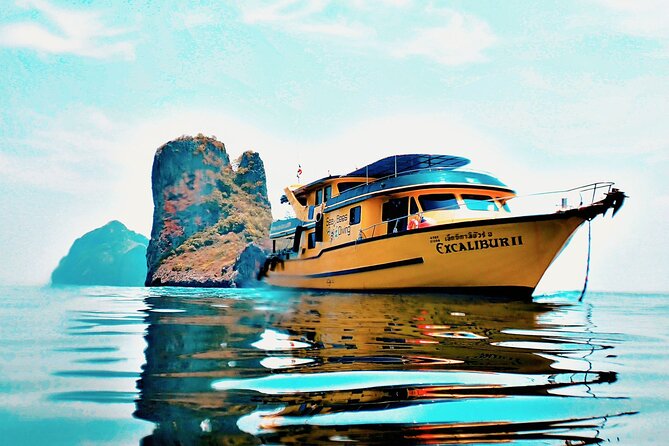
This trip is a good match if you want a focused day on the water with support and comfort. The moderate physical fitness requirement is a reminder that you’ll be moving around on a boat and handling basic activity like boarding, gearing up, and getting in and out of the water.
It’s also a sensible choice for:
- first-time scuba participants (because there’s a non-certified option with 2 sessions up to 8 meters)
- certified scuba participants who want two underwater sessions with a guide-to-guest ratio
- snorkelers who still want ocean time and underwater viewing without scuba
Family travel can work well here too, especially if kids are already comfortable with water and the process. One family-focused experience highlighted the professionalism from hotel pickup through return, and the overall staff friendliness.
If your group has mixed comfort levels, this format can be practical. You’re all doing the same daytrip, but your underwater method can differ (scuba for those eligible, snorkeling for others).
The main reason to pause is the weather reality. The trip requires good weather, so if conditions don’t cooperate, you may need to shift plans.
Weather and pickup: how to protect your day
This tour is weather-dependent. When conditions aren’t right, the trip can be canceled, and you’ll be offered a different date or a full refund. That’s good to know because you’re not locked into a schedule when the ocean decides to be the boss.
The other potential day-ruiner is pickup confusion. There are real examples of missed pickups tied to scheduling communication. I can’t guarantee that’s common, but you can reduce your risk with two simple habits:
- verify pickup details with your hotel concierge the night before
- keep your confirmation info handy on your phone so you can reference the time instantly
If you’re traveling with a tight itinerary, build in a bit of breathing room on either side of the 8:00 am start. It’s the easiest way to absorb any weather or timing adjustment without turning your whole trip into stress.
Should you book the Sea Bees Racha Yai daytrip?
I’d book it if you want a well-run island day with real structure: two underwater sessions, strong supervision (4:1 guide-to-guest ratio), onboard meals, and the kind of comfort details that help after the water (indoor showers, covered deck). For many people, the biggest value is that you’re not just buying boat access—you’re buying guidance and a plan that keeps the day moving.
Skip it (or choose another option) if you’re counting every dollar and don’t want any add-ons, since scuba equipment use is extra at $15. Also pause if you’re the type who hates schedule flexibility, because weather can force a date change.
If you like clear schedules, friendly staff, and a day that’s built around actual underwater time with support, this is the kind of Phuket daytrip that makes sense to put on your calendar.