REVIEW · PHUKET
Private Surf Lesson: 1-Hour Wave-Riding on Kata Beach
Book on Viator →Operated by SSS Phuket · Bookable on Viator
Kata Beach turns stand-up dreams into reality. This private 1-hour wave-riding lesson (about 2 hours total) is built for beginners, with a quick beach briefing and lots of coached time in the water. I love how they set you up with the right board size and keep the pace friendly. One thing to keep in mind: surf quality changes day to day, so if conditions are small, your rides may be shorter.
What I really liked here is the coaching style: clear instruction, lots of repetition, and a focus on safety while you learn paddling and timing. You also get photos and videos included, so your effort doesn’t disappear the moment you wipe out. The only possible drawback is the lack of hotel pickup, so you’ll need to get yourself to the meeting spot.
In This Review
- Key points worth knowing before you go
- Kata Beach lesson logistics: meeting spot, washroom, and the short walk
- The “starter plan”: board sizing, stance finding, and sand pop-ups
- Your instructor’s job: positioning, safety, and learning to paddle with purpose
- Wave time on Kata Beach: small waves, gentle pushes, and your first stand-up
- What’s included for your $39.06: gear, coaching time, and free media
- The 2-hour flow: how the time actually gets used
- Who this lesson suits best (and who should think twice)
- Should you book a private Kata Beach surf lesson?
- FAQ
- Where do I meet for the surf lesson?
- How long is the experience?
- Is the surf lesson private?
- What’s included in the price?
- Do I get hotel pickup and drop-off?
- What should I wear or bring?
- What if the weather is bad?
- What are the shop hours?
Key points worth knowing before you go
- 15-minute beach briefing to nail stance (regular or goofy) fast
- Pop-up practice on sand so you get balance before you’re on waves
- Board sizing and rashguard included, which matters more than you think
- Gentle push on small waves, helping you get that first real ride
- Free photos and videos so you can relive your best moments later
Kata Beach lesson logistics: meeting spot, washroom, and the short walk

Your surf experience starts at the SSS Phuket surf shop on Koktanod Road in Karon (Tambon Karon, Amphoe Mueang Phuket). The exact address is 184, 1 Koktanod Rd, and the shop is open daily from 8:00 AM to 5:00 PM during the listed seasons. You’ll get a confirmation at booking, and the day-of ticket is handled as a mobile ticket.
Before you hit the beach, you’ll refresh at the shop’s washroom. Then it’s a short stroll together—about 20 meters—to the water. That tiny walk is a big practical win. When you’re learning to surf, every minute counts, and you do not want to waste time dragging gear long distances or stumbling to the shoreline in wet sandals.
There’s no hotel pickup or drop-off here. Also, you’ll likely be near public transportation, so getting there on your own is pretty manageable. If you’re staying around Kata or Karon, this is the kind of activity that fits well into a flexible day. If you’re farther away, plan a little extra time for transit.
One more point: this is a private lesson. Only your group participates, so you’re not sharing attention with a bigger mixed group. That matters for beginners, because you want the instructor watching your feet, your paddle timing, and your positioning—not splitting time across multiple people.
You can also read our reviews of more private tours in Phuket



The “starter plan”: board sizing, stance finding, and sand pop-ups
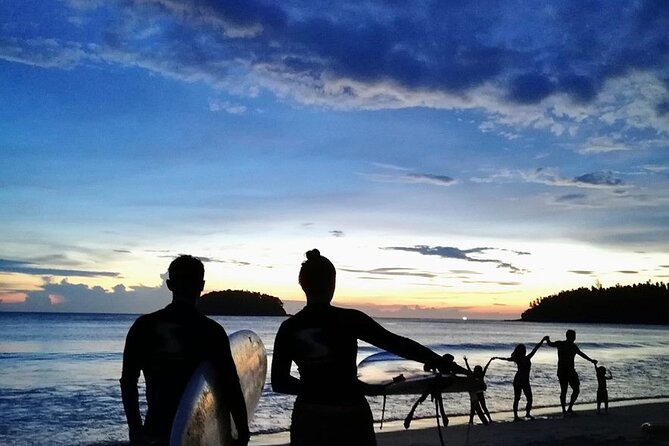
The lesson is structured to get you standing sooner rather than later. After you meet up, you’ll get your board and rashguard. You also get the kind of board sizing that most beginners don’t even think to request. The tour description makes it clear that the instructor selects a board size for you, aiming for comfort and easier wave-riding. That’s not a small detail. On a board that’s too small, you’ll fight for every inch. On the right one, you can focus on the basics that actually move the needle: balance, timing, and how you transition from paddling to popping up.
Then comes the 15-minute beach briefing. You’ll work out whether you’re comfortable with a regular stance or goofy stance. If you’re unsure, don’t stress. The point is to help you find your baseline so your body has a clear plan before you go into the waves.
After stance comes the part that feels almost too simple: pop-up practice on sand. This is where I think beginner lessons win. In the ocean, everything happens at once—water motion, surf timing, board angle, and your own nerves. Practicing the pop-up on a stable surface helps you memorize the sequence: hands placement, foot landing, and how to rise without wobbling.
It’s also a confidence builder. Even if you expect to spend the whole session kneeling in the water, sand practice often makes you realize you can improve quickly with one or two corrections from a patient coach.
Your instructor’s job: positioning, safety, and learning to paddle with purpose
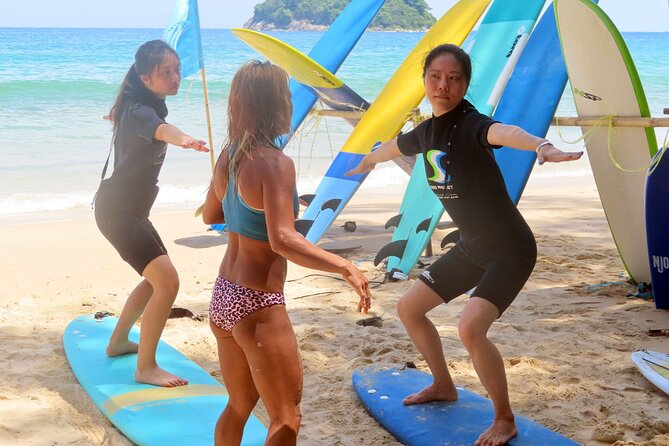
Once you enter the water, you’ll shift from practice moves to real-world surf skills. The instructor guides you through positioning on the board and helps you get set before you paddle for a wave. That guidance is especially important for first-timers, because most people either paddle too early, wait too long, or sit in the wrong spot relative to where the waves actually break.
The lesson description calls out personalized tips, and in practice that’s the difference between a generic “go catch it” lesson and something that actually teaches you what to do next. You’re not just being watched; you’re being coached on what your body should do.
You’ll also learn to paddle and catch your own waves as you progress. That’s a key goal. The instructor isn’t just trying to give you one ride. They’re trying to help you build a skill loop: paddle into position, feel the wave set up, then commit to standing.
Safety is part of the coaching style here. One of the strongest signals from the experience is that the instructor is attentive and encouraging even when conditions feel tough. In other words: you should feel guided, not thrown into chaos. If you’ve ever had a lesson where the coach only “corrected” after mistakes, this setup is more about continuous help while you’re actively trying.
Wave time on Kata Beach: small waves, gentle pushes, and your first stand-up
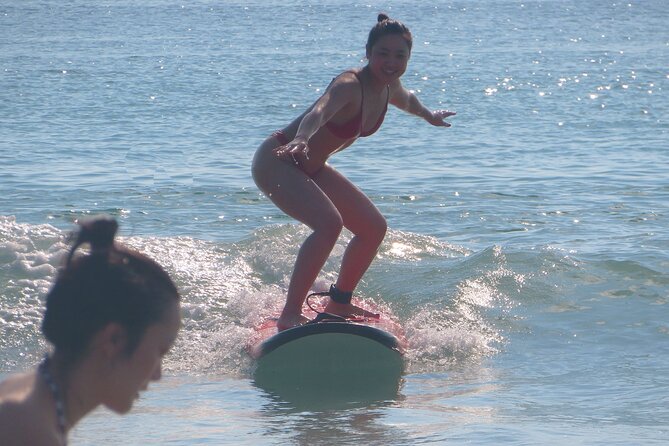
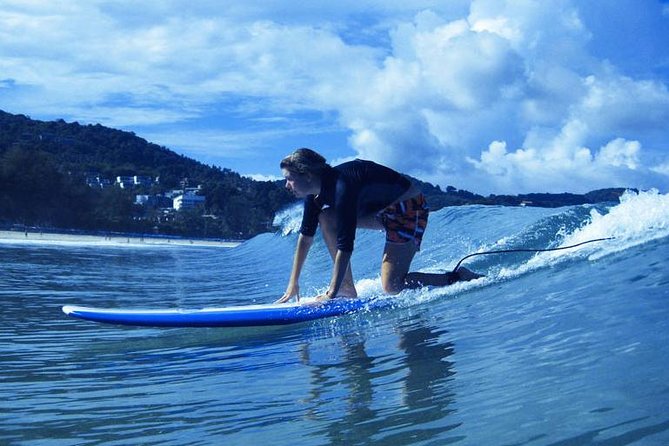
The wave-riding portion is what most people are chasing: that first successful glide. The plan here is beginner-friendly, with the instructor picking ideal waves and often giving a gentle push so you can ride. That push is there for a reason. When you’re new, paddling speed and timing are inconsistent, and the instructor’s job is to reduce friction so you can experience what the correct ride feels like.
As you move through the session, you should spend a good chunk of time actually on the water, catching waves with coaching. The lesson emphasizes plenty of time riding, not just watching from shore. You should end the learning arc with more control than when you started—ideally enough that you can catch and ride smaller waves with clearer timing.
Now, the one real consideration: surf conditions vary. One person had a day with very small waves and felt the lesson didn’t deliver the thrill they expected, and that’s a fair reminder. Even with a good instructor and the right board, if the ocean is not cooperating, your rides can be shorter or fewer. The good news is that the activity is explicitly weather-dependent. If conditions are too poor, you’ll be offered a different date or a full refund.
If you’re the type who wants guaranteed wave height and perfect surf every time, you’ll need to adjust expectations. If you’re there to learn and improve, the variability is part of the experience—and it’s why coaching and board choice matter so much.
What’s included for your $39.06: gear, coaching time, and free media
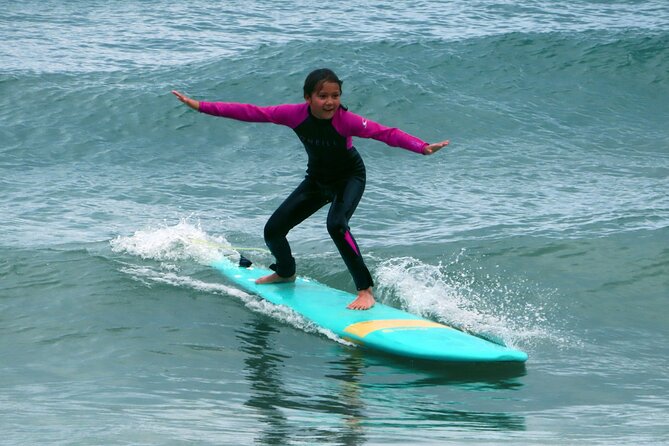
At $39.06 per person, the big value is what’s bundled in. You get:
- an instructor
- a surfboard and rashguard
- photos and videos included
For beginners, gear inclusion is practical. You don’t have to hunt for a board rental or figure out rashguard sizing on your own. More importantly, the board is chosen by the instructor for you, which is not always true with basic rentals.
The media package is another standout. Surf is hard to appreciate in your own eyes in the moment. You’re focused on balance and timing, and you usually have no idea what your ride looked like until later. The included photos and videos give you a record of progress. Even if you only catch a couple of clean rides, you’ll still have something to show for the time you spent learning.
This pricing also makes sense because it’s private. You’re paying for instructor attention, not for shared group logistics. That tends to benefit beginners most—especially if you’re trying to get your stance, pop-up timing, and positioning dialed in.
You can also read our reviews of more tours and experiences in Phuket





The 2-hour flow: how the time actually gets used

Even though it’s often described as a 1-hour wave-riding lesson, plan for around 2 hours total. The reason is straightforward: time needs to happen before you’re in the water, and beginners often need help transitioning between steps.
Here’s how the session generally feels in practice:
- Meet at the shop and get ready
- Short walk to Kata Beach
- 15-minute beach briefing (stance, basics, pop-up sequence)
- Sand practice to set your mechanics
- Water time with coached positioning and guided rides
- Learn paddling and wave-catching with increasing independence
- Return to the meeting point area to wrap up
Because the lesson ends back at the meeting point, it’s easy to plan your next activity after. You won’t be stuck waiting for a long return trip with gear.
One more practical note: since there’s no pickup, show up a little early so you’re not rushing through warm-up time. The more relaxed you are at the start, the easier it is to absorb coaching.
Who this lesson suits best (and who should think twice)
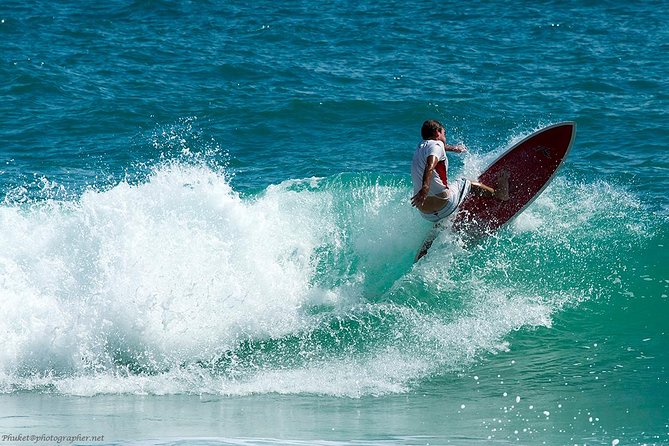
This is a strong fit if you:
- are new to surfing and want structured instruction
- want private attention without splitting time with strangers
- like the idea of learning quickly with a coach picking waves and board size for you
- care about getting photos/videos without extra cost
It may be less ideal if you’re:
- expecting a guaranteed amount of big-wave action no matter what the ocean does
- relying on hotel pickup and don’t want to handle transport on your own
- traveling with a very rigid schedule and minimal buffer time for weather-based changes
For most people, though, Kata Beach is a solid place to learn. One person specifically called it a top spot for surf lessons, which matches the beginner-friendly vibe of the whole setup.
Should you book a private Kata Beach surf lesson?
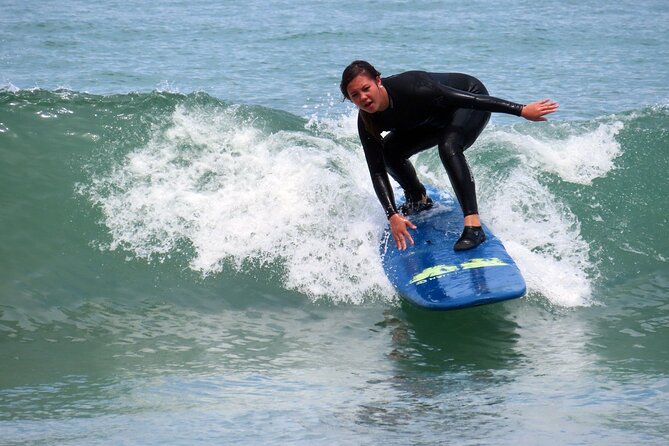
If your goal is beginner progress and your ideal day includes coached water time, I’d book this. The session is built around the essentials: stance clarity, sand pop-ups, the right board size, and guided rides with a gentle push when you need it. Add in the fact that photos and videos are included, and the lesson feels like more than just an hour of trying.
I’d make a small adjustment to expectations: treat this as a learning experience first, not a surf contest. When conditions are small, you still learn timing, positioning, and how to paddle for a wave you can actually catch.
If you’re flexible, comfortable handling your own transport to the meeting shop, and excited to learn with patient coaching, this is a fun, low-pressure way to start surfing on Phuket’s Kata Beach.
FAQ
Where do I meet for the surf lesson?
You meet at SSS Phuket on Koktanod Rd in Tambon Karon, Amphoe Mueang Phuket (184, 1 Koktanod Rd, 83100, Thailand).
How long is the experience?
It runs about 2 hours total, with the wave-riding part described as a 1-hour beginner lesson.
Is the surf lesson private?
Yes. It’s a private tour/activity, so only your group participates.
What’s included in the price?
The instructor, a surfboard and rashguard, and photos and videos are included.
Do I get hotel pickup and drop-off?
No. Hotel pickup and drop-off are not included.
What should I wear or bring?
The rashguard and surfboard are provided. You’ll just need to arrive ready for beach and water time as directed by the shop staff.
What if the weather is bad?
The experience requires good weather. If it’s canceled due to poor weather, you’ll be offered a different date or a full refund.
What are the shop hours?
The listed opening hours are 8:00 AM to 5:00 PM, Monday through Sunday, during the provided date ranges.