REVIEW · PHUKET
Authentic Thai Cooking Class by Suuko Wellness Spa
Book on Viator →Operated by I Asia Thailand · Bookable on Viator
Thai curry feels harder than it is. This Phuket class at Suuko Wellness Phuket Hotel is built to make it practical: you’ll cook 3 or 4 Thai dishes from scratch in an open kitchen with a certified chef, and the menu can be adjusted for your needs.
I especially like the small-group size (max 9, and you may share a station with another guest), because it usually means more attention and less standing around. I also like the ingredient-to-sauce approach—learning things like coconut milk from the fruit and curry foundations using chilies and herbal leaves.
One thing to consider: the class has a minimum number of travelers, so there’s a real chance it could be canceled if demand is low. If your Phuket schedule is tight, keep that risk in mind (and plan your day buffers).
In This Review
- Key Highlights You’ll Care About
- Suuko’s Open Kitchen: A Practical Thai Cooking Class in Phuket
- What You’ll Cook: 3–4 Classic Thai Dishes (With Flexible Menus)
- Small Group Cooking: More Attention, Less Waiting Around
- Coconut Milk From the Fruit: A Skill That Changes Everything
- Learning Thai Curry Foundations: Chilies and Herbal Leaves
- The Hands-On Flow: What Your 3 Hours Are Actually Doing
- Included Extras That Make the Class Feel Like a Real Activity
- Price and Value: Is $56.93 a Fair Deal?
- Phuket Timing and Location: Suuko in Chalong
- Who This Class Fits Best (and Who Should Rethink It)
- Potential Snag: Minimum Numbers and the Real Risk of Cancellation
- Should You Book This Thai Cooking Class in Phuket?
- FAQ
- How long is the Thai cooking class?
- What’s the price per person?
- Where do I meet for the class?
- What dishes will I cook?
- Is the class small group or large group?
- Will I have to share a cooking station?
- Who teaches the class?
- What’s included in the ticket price?
- Are hotel transfers included?
- What if the class is canceled due to minimum numbers?
Key Highlights You’ll Care About
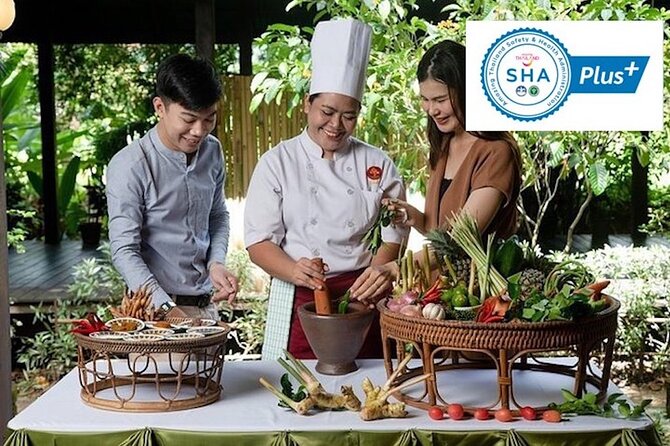
- Open-kitchen cooking in a real resort setting, so you can see the process as you learn.
- 3 or 4 dishes from scratch instead of a quick demo that barely touches the food.
- Chef-led guidance with more attention due to the small group size (max 9).
- Core Thai techniques focused on curry flavors and coconut milk made from the fruit.
- Dietary adaptation on request, so you’re not stuck with a one-size menu.
- Included gear and proof of learning: apron, chef’s hat, water, and a Thai Culinary Arts certificate.
Suuko’s Open Kitchen: A Practical Thai Cooking Class in Phuket
If you’ve ever tried to recreate Thai food at home and ended up with something that’s… fine… but not quite right, this class is aimed at that exact problem. You’re not just learning recipes—you’re learning the flavor logic behind them. That’s what makes the format here feel useful, not just entertaining.
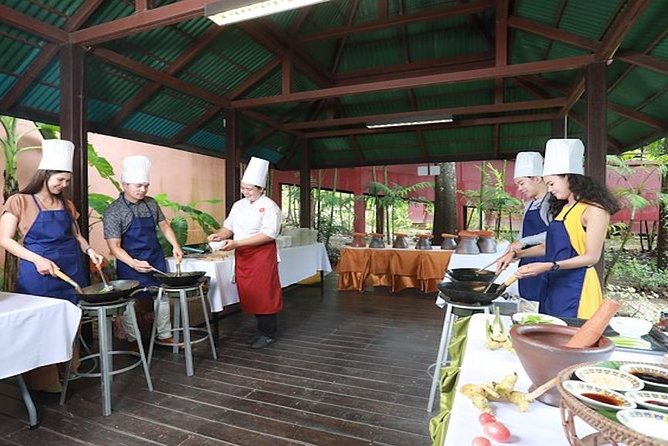
The class runs about 3 hours and operates daily from 10:00 to 15:00, so you can slot it into most Phuket itineraries. You’ll meet at Suuko Wellness & Spa Resort inside the Suuko Wellness Phuket Hotel area, then cook in an open kitchen where you can watch, ask questions, and work through the dishes with the chef’s support.
And yes, it’s hands-on. That matters. Thai cuisine relies on balance—heat, herbs, saltiness, sweetness, and freshness. When you make the key components yourself, you start to understand how the flavors fit together instead of copying a list of ingredients.
You can also read our reviews of more cooking classes in Phuket
What You’ll Cook: 3–4 Classic Thai Dishes (With Flexible Menus)
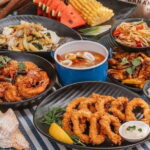
The class centers on making three or four traditional Thai dishes from scratch. The exact menu depends on your preferences and dietary needs. That flexibility is more valuable than it sounds.
Here’s why: Thai cooking isn’t just about one dish. It’s about building blocks—curry paste, aromatics, sauces, and the way coconut works in the background. When the menu adapts to you, you’re more likely to leave with meals you’ll actually want to cook again at home.
The most specific technique callouts are tied to Thai curry and coconut milk. You’ll learn how to make Thai curries using chilies and herbal leaves, and you’ll also learn how to make coconut milk straight from the fruit. Even if your final dishes vary day to day, these are the kinds of skills that translate beyond one recipe.
If you’re a food lover who’s curious about what makes Thai flavor taste Thai, this is the type of class that focuses on “the why” while you’re still in the middle of “the how.”
Small Group Cooking: More Attention, Less Waiting Around
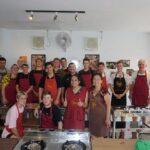
This is not a big bus-tour-style cooking show. It’s capped at a maximum of 9 travelers, and you’ll typically work in a small setup. There’s also a note that 2 guests share 1 station—so don’t expect solo counter space if the group is fully booked.
That said, small groups are where cooking classes actually work. When the group is limited, the chef can answer your questions faster, correct technique sooner, and help you troubleshoot flavor balance on the spot. If you’ve ever watched someone stir something once and then told to copy it later, you already know how frustrating that is.
Also, the open-kitchen setup helps. You can see what you’re doing in context, and you’re not cut off behind a wall. For many people, that “watch and then do” rhythm is what keeps Thai cooking from feeling intimidating.
Coconut Milk From the Fruit: A Skill That Changes Everything
One of the standout promises here is coconut milk made from the fruit. That’s not just a fun detail. It’s a real flavor and texture lesson.
Store-bought coconut milk can be convenient, but it’s also kind of a “black box.” You pour, you stir, you hope. Making coconut milk from the fruit forces you to understand what coconut contributes: richness, body, and the way it softens the sharpness of chilies and herbs.
In practical terms, this technique helps you stop thinking of coconut as a single ingredient and start treating it like a balancing tool. Too hot or too sharp? Coconut can round it out. Too heavy? The curry’s herbs and aromatics have to do their job too.
You’ll also get the feeling for how Thai cooking builds layers. The curry process in Thai food often relies on pairing intense aromatics with a creamy base. Learning the base is what makes the rest easier to dial in.
Learning Thai Curry Foundations: Chilies and Herbal Leaves
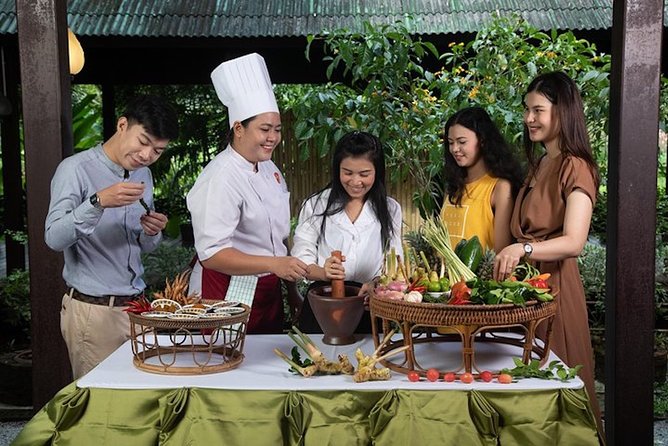
Another key skill covered is how Thai curry flavors start. The class specifically references learning Thai curries from chilies and herbal leaves. If you’ve only ever made curry with a paste jar, this is where your perspective can shift.
Thai curry doesn’t come from heat alone. It comes from the mix: spicy chilies plus fragrant leaves and herbs, then a transformation as everything cooks and melds. When you work with those components yourself, you’ll notice that aroma is an ingredient, not an afterthought.
This matters for two reasons:
First, you gain control. You can adjust heat level, herb intensity, and balance instead of being stuck with whatever seasoning came in the paste.
Second, you start understanding why Thai dishes don’t taste one-note. They taste layered—like something built in stages rather than dumped in at the end.
You won’t walk away with just a recipe page. You’ll walk away with the mental checklist of what to pay attention to when you cook Thai food again.
You can also read our reviews of more tours and experiences in Phuket


The Hands-On Flow: What Your 3 Hours Are Actually Doing
Even without a listed stop-by-stop itinerary, the class structure is clear from what’s included and what’s promised. Here’s what your time is likely spent on, based on the course design:
You arrive at Suuko Wellness & Spa Resort, check in, and get oriented in the cooking space. Then you jump into the prep side of making three or four dishes. You’ll work in an open kitchen and have a chef guiding the process.
As you cook, you’ll focus on technique and components—especially the curry and coconut skills highlighted above. This is also where the menu adaptation matters. If you need changes for dietary preferences, you’re not just ordering around them; the class adjusts what you learn so the final dishes still reflect Thai cooking logic.
Included items like drinking water, plus a provided apron and chef’s hat, help keep it comfortable and practical. You’re not paying extra for basic class essentials, and the chef’s guidance keeps you from wandering off in “recipe confusion” mode.
Included Extras That Make the Class Feel Like a Real Activity
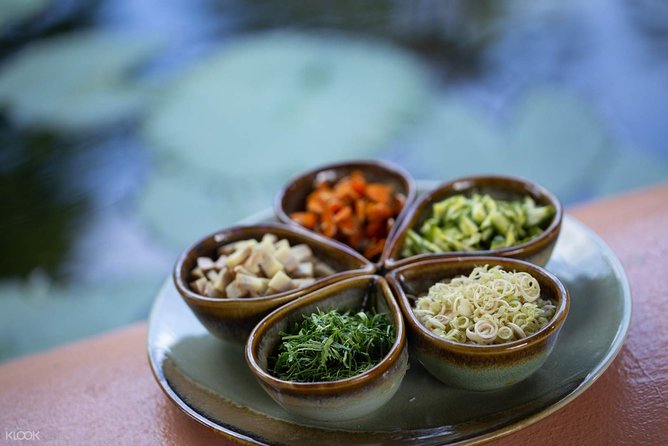
Cooking classes can sometimes feel oddly transactional: you pay, you watch, you leave. Here, the included perks support the hands-on learning experience.
- Apron and chef’s hat: It sounds silly until you’re actually doing messy food work. It’s also a little reminder that you’re in the cooking zone, not the audience zone.
- Drinking water: Useful, especially in Phuket humidity.
- Thai Culinary Arts certificate: This is simple, but it gives the experience a real finish—something tangible that marks what you learned.
- Small-group class with chef instruction: This is the real “extra,” but it’s worth repeating because it’s the part you’re paying for.
If you like food experiences that come with a sense of closure—not just a memory—those included elements help.
Price and Value: Is $56.93 a Fair Deal?
At $56.93 per person, this class sits in a mid-range zone for Phuket activities. The value question is: what do you get for that price?
You get 3 or 4 dishes, not a single taste-and-go. You also get instruction from a certified chef, in an open kitchen, plus included basics like apron, chef’s hat, and water. On top of that, you receive a Thai Culinary Arts certificate.
The biggest value driver isn’t the certificate, though. It’s that you’re learning techniques that let you cook beyond the class menu—especially around curry and coconut milk from the fruit. That’s the kind of knowledge that keeps paying off after your vacation ends.
A practical note: hotel transfers are not included, so you’ll need to handle your own way to the Suuko property. If you’re already in Chalong or near public transport, that’s manageable. If you’re far across the island and would normally pay for a private ride, your real “total cost” can creep up.
Still, when you weigh it against the time (about 3 hours) and the hands-on nature, it’s a good value for people who want more than a quick food stop.
Phuket Timing and Location: Suuko in Chalong
This class is anchored at Suuko Wellness Phuket Hotel in the Chalong area. The meeting point is listed as:
5 วิชิต 10, Tambon Chalong, Amphoe Mueang Phuket, Chang Wat Phuket 83000, Thailand.
It also says it’s near public transportation, which is a big deal if you don’t want to burn time (or money) coordinating private transfers. The activity ends back at the meeting point, so you’re not dealing with a complicated return journey.
Operating hours are 10:00–15:00, daily. That makes it easier to fit around beach time, markets, or an earlier lunch. Since it’s around 3 hours, you can usually plan a “cook, then eat later” kind of day without forcing your schedule too tight.
Also, you’ll use a mobile ticket, which is convenient for travelers who don’t want printed paperwork.
Who This Class Fits Best (and Who Should Rethink It)
This cooking class is best for you if:
- You love food and want a hands-on Thai cooking experience rather than a short demonstration.
- You want to learn techniques behind Thai flavors, not just copy recipes.
- You’re interested in curry and the role of coconut milk.
- You’d like a class format that’s small enough for questions.
It may be less ideal if:
- You’re hoping for a solo, private cooking station. The class notes 2 guests share 1 station.
- You want hotel pickup and drop-off. Transfers aren’t included.
- Your schedule is so tight that even a small risk of change would ruin your day. The class has a minimum traveler requirement, and cancellations can happen if that minimum isn’t met.
If you’re a casual foodie who just wants to try a new dish and doesn’t care about technique, you might find it more effort than you need. But if you want to leave with skills you can use later, this is the right type of activity.
Potential Snag: Minimum Numbers and the Real Risk of Cancellation
Here’s the honest part. This class requires a minimum number of travelers, and it can be canceled if the minimum isn’t met. The class also has a maximum group size (max 9), so demand can swing.
One review specifically complained about a canceled experience close to the trip and described the frustration of re-planning. At the same time, the response shared that a refund was issued when the trip couldn’t operate, and that the team reached out and tried to rearrange dates.
So treat this like any small, chef-led class in a tourist area: it’s great when it runs, and you should plan with flexibility. If this is a “must do,” consider booking with enough cushion in Phuket so you can shift your schedule if needed.
Should You Book This Thai Cooking Class in Phuket?
I’d book it if your goal is to learn Thai cooking in a way you can actually repeat. The combination of open-kitchen instruction, 3–4 dishes, and technique-focused topics like coconut milk from the fruit and curry foundations using chilies and herbal leaves makes it more practical than most food tours.
I’d think twice if you need guaranteed operation with no wiggle room. The minimum-number setup means cancellation is possible, and transfers aren’t included, so you’ll want to be comfortable getting yourself to Suuko.
Bottom line: if you want skills, not just snacks, this class is a strong choice in Phuket. Price looks fair for what’s included, and the small-group chef attention is the real reason it’s worth doing.
FAQ
How long is the Thai cooking class?
It’s about 3 hours.
What’s the price per person?
The price is listed as $56.93 per person.
Where do I meet for the class?
You meet at Suuko Wellness & Spa Resort, 5 วิชิต 10, Tambon Chalong, Amphoe Mueang Phuket, Chang Wat Phuket 83000, Thailand.
What dishes will I cook?
You’ll cook 3 or 4 traditional Thai dishes, and the menu can be adapted based on dietary needs and preferences.
Is the class small group or large group?
It’s small group, with a maximum of 9 travelers.
Will I have to share a cooking station?
The information says 2 guests may share 1 station.
Who teaches the class?
You’ll learn under the guidance of a certified chef.
What’s included in the ticket price?
Included are the 3 or 4 dish cooking class, drinking water, an apron and chef’s hat, and a Thai Culinary Arts certificate.
Are hotel transfers included?
No. Hotel transfers are not included.
What if the class is canceled due to minimum numbers?
If it’s canceled because the minimum isn’t met, you’ll be offered a different date/experience or a full refund.