REVIEW · PHUKET
Thai Cooking Class in Phuket
Book on Viator →Operated by Phuket Thai Cooking Class by Chef VJ · Bookable on Viator
Curry paste from scratch is the real flex. This Phuket Thai cooking class with Chef VJ keeps things practical and step-by-step, while getting you making curry paste with a mortar and pestle instead of store shortcuts. I also like that you eat what you cook right there, so you get instant feedback on flavor and balance. One thing to consider: the exact pickup and market setup can vary by where you’re staying, and the meeting point is specific.
The vibe is friendly and straightforward, and the instruction is in clear, fluent English. You work at your own station in a clean kitchen, so it’s not just watching and waiting. If you’re a solo traveler, the structure helps you jump in without feeling lost.
Finally, you’ll spend about 3 hours doing the whole cycle: market flavors (either on-site or brought to you), chopping, cooking, and then sitting down to eat. Just plan ahead so you don’t get stuck hunting for the start spot when you arrive in Phuket heat.
In This Review
- Key things to know before you go
- Phuket Thai cooking class with Chef VJ: what makes it different
- Chef VJ’s English-friendly teaching and the ingredient replacement lesson
- Mae Somchit Kata Fresh Market: why the flavors matter
- Handmade curry paste with mortar and pestle, no MSG approach
- Chopping, cooking, and building a meal you can actually recreate
- Drinks, recipe book, and turning lessons into real home cooking
- Timing, pickup, and how to plan your Phuket start
- Price and value: what you’re paying for (and what you get)
- Who this class is best for
- Small cautions before you book
- Should you book Phuket Thai Cooking Class by Chef VJ31?
- FAQ
- How long is the Thai cooking class in Phuket?
- What’s the main dish you’ll learn in the class?
- Is pickup available from Phuket beaches?
- Do you visit a market, or do you cook without one?
- What’s included with the class besides cooking?
- What is the cancellation policy?
Key things to know before you go
- Hands-on stations: You’ll chop and cook yourself in a clean kitchen, not just watch a demo.
- Curry paste from scratch: You’ll make it traditionally with a mortar and pestle, and it’s described as no MSG.
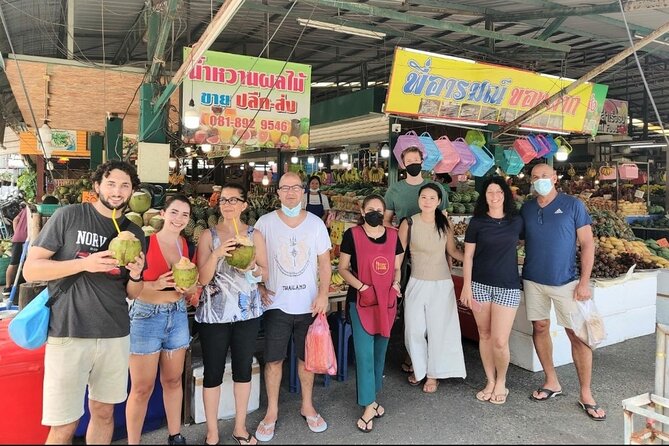
- Market + fruit tasting option: Some classes visit Mae Somchit Kata Fresh Market; others bring the market to you.
- Ingredient swaps at home: You’ll learn replacement ideas if ingredients are hard to find elsewhere.
- Drinks and water included: Herbal welcome drinks plus unlimited bottled water, tea, and ground coffee during the course.
- Group stays small: Maximum 20 travelers, which usually makes it easier to ask questions.
Phuket Thai cooking class with Chef VJ: what makes it different
This is the kind of Phuket food experience that actually teaches you how Thai cooking works. Instead of pretending Thai food is just a set of flavors you can copy, you learn the building blocks: the ingredients, the order, and the small adjustments that make a dish taste right.
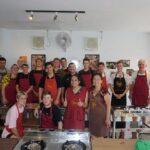
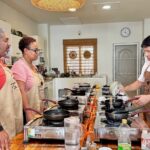
I especially like that the kitchen is set up for real participation. Everyone gets their own cooking station, so you’re doing the chopping and cooking yourself. That matters because Thai cooking is tactile. If you don’t handle the aromatics, you miss a big part of why the final dish tastes balanced.
Also, the English instruction is a big deal for independent travelers. The chef and host are described as fluent, so you can follow step-by-step without guessing. That usually means fewer mistakes and less frustration when you’re handling something new like curry paste ingredients or specific vegetables and fruits.
You can also read our reviews of more cooking classes in Phuket
Chef VJ’s English-friendly teaching and the ingredient replacement lesson
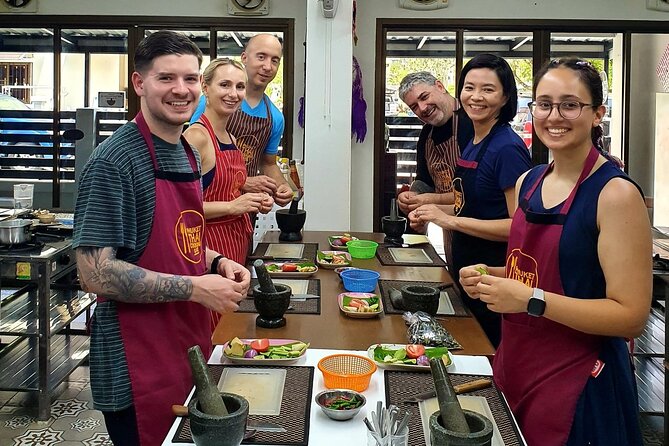
One of the most useful parts of this class is how the chef explains what you’re using and why. Thai cuisine can feel familiar on a menu, but it gets tricky when you try to cook it at home and one ingredient is missing. Here, the teaching explicitly covers replacements for important ingredients you might not find.
That ingredient swap piece is practical travel wisdom, not just trivia. It helps you avoid the common mistake of giving up because you can’t buy one exact item in your own country. You’ll be guided on what to use instead, and you’ll understand the role that ingredient plays in the flavor.
You can also ask questions during the process. The class is built around instruction and clarification, so if you’re unsure about the purpose of an ingredient, you’re not stuck. This is especially helpful if you’ve cooked Thai food before and still feel like something always tastes off.
And because everything is happening in a clean kitchen with organized stations, it feels like you’re learning a method, not running a kitchen marathon.
Mae Somchit Kata Fresh Market: why the flavors matter
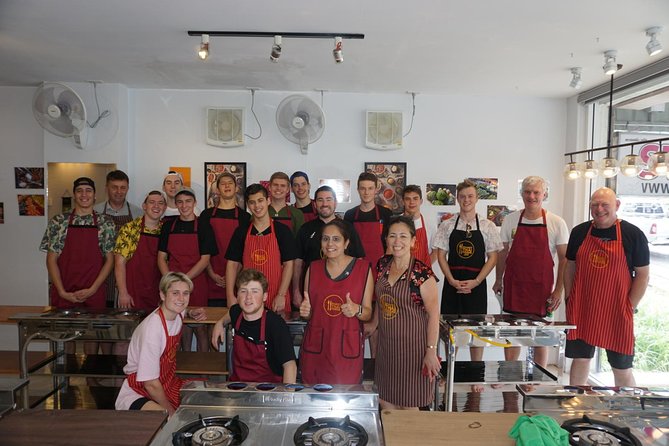
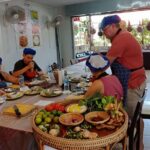
Your experience may start at Mae Somchit Kata Fresh Market, where you’ll see market-fresh ingredients up close. If your class includes the market segment, you’ll also get fruit tasting, which is a fun way to train your palate for what Thai dishes highlight beyond spice.
Why this matters: Thai cooking isn’t just about heat. It’s about mixing sweet, sour, salty, and herbal notes. When you’ve tasted fruits and seen produce in context, later cooking steps make more sense. You can connect the ingredients you handled in the market to what you’ll later taste in your dishes.
If your class doesn’t include the market tour, the format still supports the same goal. The market is brought to you in the class itself, with explanations of ingredients. That keeps things convenient while still giving you ingredient context.
Either way, you’ll learn about Thai ingredients, plus basic guidance for how you can think about them at home. For example, you won’t just memorize a list. You’ll understand what each ingredient is doing in the overall balance.
Handmade curry paste with mortar and pestle, no MSG approach
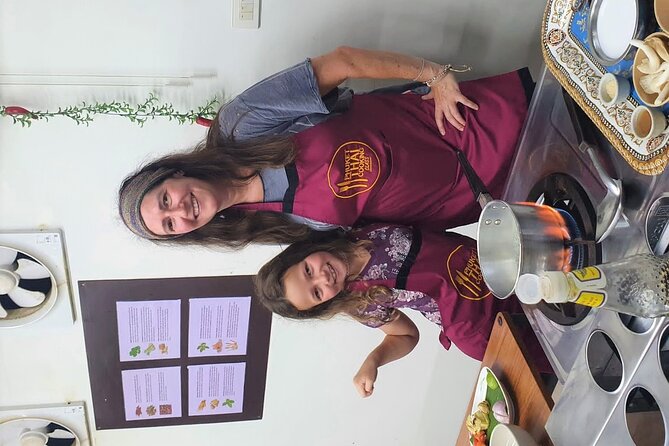
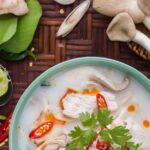
The curry paste is the headline. This class has you making it from scratch using a traditional mortar and pestle, with guidance along the way. The important point isn’t only that it’s handmade. It’s that you learn the process: grinding, combining aromatics, and building paste consistency.
It’s also described as no MSG and not using ready-made curry paste from the market. That’s a big part of the value. You’re learning a technique and a flavor base you can reproduce later. Store-bought paste can be good, but it can also be one reason homemade Thai food never tastes quite right.
This approach also makes you more confident about adjusting flavors for your own kitchen. Once you’ve experienced how ingredients change as they get ground and mixed, you’re less likely to treat curry paste like a fixed product. Instead, you think like a cook.
And since cooking is done by you at your station, you don’t just participate in a single step. You’re part of the build, so when you taste the finished curry paste-based dish, you immediately understand what you created.
Chopping, cooking, and building a meal you can actually recreate
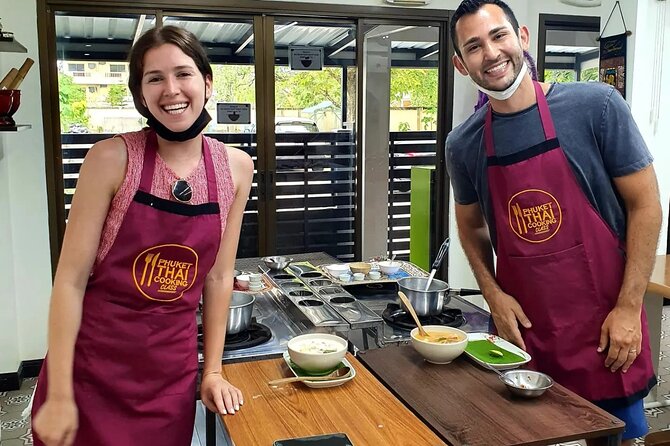
You’ll do the chopping and cooking yourself, which is where the class earns its keep. Thai dishes often rely on quick cuts and smart cooking timing. When you’re the one doing it, you learn how long ingredients need and what texture should look like.
You’ll work with what the class describes as exotic fruits and vegetables sourced from the local market. Even if you’re used to Thai food from restaurants, you may not have cooked with these ingredients before. That’s where the chef’s introductions help: you learn what you’re working with and how it fits the flavor plan.
The class flow is also built around demonstrations plus hands-on steps. That means you get a clear model for what to do, then you repeat it at your own station. If you mess up a cut or add something a bit off timing, you’re still learning safely in a structured kitchen setup.
Once your cooking is done, you’ll sit down to eat the meal you prepared. This is a key difference from cooking classes that leave you with raw instruction but no final taste check. Here, you’re tasting the outcome while the lessons are still fresh in your mind.
Also, if you can’t finish everything, you can take home the rest. That’s a practical bonus for lunch or dinner later, and it reduces food waste.
You can also read our reviews of more tours and experiences in Phuket

Drinks, recipe book, and turning lessons into real home cooking
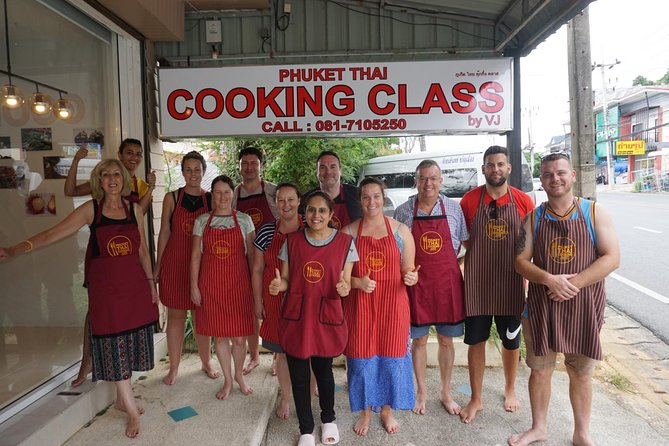
You’ll be fed and hydrated. Coffee and tea are included, along with unlimited bottled water throughout the course. There’s also a free welcome herbal drink at the start. For a 3-hour class, that matters because cooking is hands-on and a little tiring. You don’t want to be thinking about where your next drink is coming from.
You’ll also get a printed recipe book to take home. That’s ideal for cooks who like a physical reference in the kitchen. In addition, recipes are described as being mailed to you, which is helpful if you like having backups or want to re-check steps later.
I like that the instruction is not just about following a recipe card. The class emphasizes ingredient understanding and replacement ideas, so you’re not stuck if you don’t find the exact same product at your local store. That’s what makes the recipes more usable than a simple list of ingredients.
If you want to impress friends and family at home, this class sets you up for that. Curry paste from scratch plus the ability to explain what goes into it is a conversation starter. More importantly, it’s the kind of skill you can repeat, not just a one-time meal.
Timing, pickup, and how to plan your Phuket start
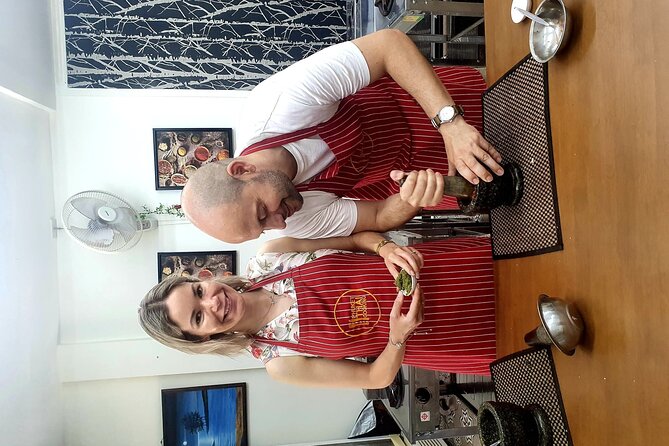
The class runs about 3 hours. It’s described as ending back at the meeting point, so you’re not left trying to figure out transit afterward with a full belly and knife skills.
Pickup is offered for several Phuket areas:
- Kata, Kata Noi, Karon, Rawai, Patong, and Nai Harn are included.
- Patong, Rawai, and Naiharn require a minimum of 2 people.
- There’s also a note for Kamala and Surin beach: the meeting point is at Hard Rock Cafe Patong, again with a minimum of 2 people.
If you’re staying outside those areas, you might need to get yourself to the start spot. The meeting location is at Phuket Thai Cooking Class by Chef VJ31 Patak Rd, Tambon Karon, Amphoe Mueang Phuket, Chang Wat Phuket 83100, Thailand. That’s specific, so it’s worth double-checking how you’ll get there before you show up.
Because you’ll likely arrive in warm Phuket weather, bring a little patience. One practical caution: in busy areas, exact meeting points can be easy to misread. I’d treat confirmation details as part of the plan, not an afterthought.
Price and value: what you’re paying for (and what you get)
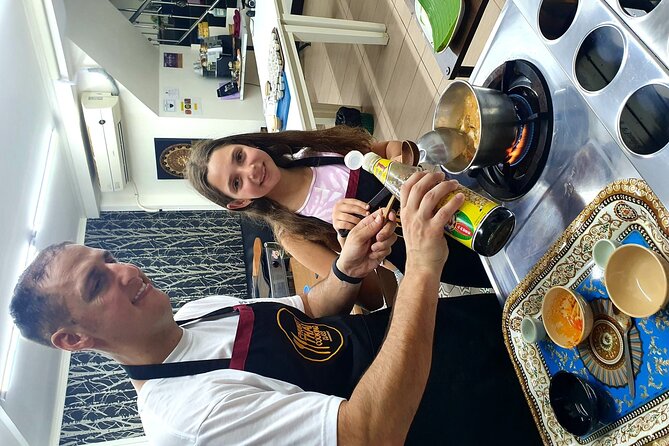
At $65.22 per person, this class sits in the mid-range for a private-feeling group workshop in Phuket. The price is easier to justify when you look at what’s included beyond cooking.
You’re getting:
- A 3-hour guided cooking session
- Market setup (either an on-site market stop with fruit tasting or market ingredients brought to you)
- Unlimited bottled water plus tea and ground coffee
- Printed recipe book to take home
- Traditional curry paste making with mortar and pestle
- A prepared meal you eat during class, plus take-home leftovers
The small group size (max 20) also matters. It generally improves the learning experience because there’s more chance to ask questions while you’re actively cooking. Add that to the included round-trip transfer in multiple beach areas, and the class starts to look like a good deal for what you actually do.
If your goal is to learn Thai cooking you can repeat, paying for instruction makes more sense than paying for another Thai dinner. You get ingredients handled, techniques practiced, and replacements explained.
Who this class is best for
This is a strong fit if you want a structured, hands-on food lesson. You don’t need to be an experienced cook. The instruction is described as clear in English, and each person has their own station.
It’s also a nice option if you’re traveling solo. The format is active and social in a low-pressure way, and the chef-host approach is described as entertaining and engaging. When everyone is cooking at their own station, conversation tends to happen naturally, and you don’t feel like you’re sitting outside the action.
If you’re a cautious eater, you may also like the ingredient explanations. You’ll learn what you’re using and you’ll have a chance to ask about unfamiliar items. That helps you make sense of Thai flavors instead of just taking a spicy guess.
Small cautions before you book
This is mostly smooth sailing, but there are a few practical things I’d watch:
- Market tour depends on your class. Some start with Mae Somchit Kata Fresh Market; others bring the market to the class. If you specifically want fruit tasting at the market, confirm which option you’ll get.
- Pickup rules can change by area. Patong, Rawai, and Naiharn require a minimum number of people, and Kamala/S мед can route through Hard Rock Cafe Patong. If you’re booking last minute or solo far from included zones, check your pickup details early.
- Meeting point accuracy matters. The address is specific. If you’ve ever had trouble finding a small business in Phuket, take your confirmation message seriously and arrive a little earlier.
If you handle those three points, the experience should land where it’s intended: you leave able to cook something real, with a flavor base you understand.
Should you book Phuket Thai Cooking Class by Chef VJ31?
Book it if you want real cooking skills, not just a fun Phuket activity. The combination of curry paste from scratch, instruction in fluent English, and a take-home recipe book is exactly what turns a tour into a repeatable talent.
Skip it only if you’re looking for a purely casual food walk with lots of free time. This is work, in a good way. You’ll chop and cook. It’s hands-on, and that’s the point.
If you’re staying around Kata, Karon, Patong, Rawai, or Nai Harn, the included transport makes it even easier. And if you love Thai food but get stuck when ingredients are missing at home, the ingredient replacement focus is worth the price by itself.
FAQ
How long is the Thai cooking class in Phuket?
The class is about 3 hours.
What’s the main dish you’ll learn in the class?
You’ll make your own curry paste from scratch using a mortar and pestle.
Is pickup available from Phuket beaches?
Pickup is offered for Kata, Kata Noi, Karon, Rawai, Patong, and Nai Harn. Patong, Rawai, and Naiharn pickups require a minimum of 2 people. Kamala and Surin meeting point is at Hard Rock Cafe Patong with a minimum of 2 people.
Do you visit a market, or do you cook without one?
Some classes include a market tour and fruit tasting at Mae Somchit Kata Fresh Market. For classes without the market tour, the market is brought to you and ingredients are explained in the class.
What’s included with the class besides cooking?
Coffee and tea are provided, along with unlimited bottled water. You also get a printed recipe book to take home, and you eat the meal you prepare during class. You can take home any leftovers.
What is the cancellation policy?
You can cancel for a full refund up to 24 hours in advance. If you cancel within 24 hours of the start time, the amount paid is not refunded.