REVIEW · PHUKET
Half-Day Phuket Easy Thai Cooking
Book on Viator →Operated by Phuket Easy Thai Cooking · Bookable on Viator
Fresh curry paste starts the fun. In Phuket, this half-day Thai cooking class mixes hotel pickup with a local market stop, so you begin with the right ingredients (not just a shopping-bag guess). One fair warning: the cooking setup can feel pretty basic and fast-paced, so go in ready to roll up your sleeves.
What I like most is the real skill-building. You’ll learn homemade curry paste techniques and then put them to work in classic Thai dishes like Pad Thai and Massaman-style curry (your exact menu shifts by class). The small group limit also helps a lot, with plenty of time for a teacher to spot issues and correct your taste on the fly.
In This Review
- Key Points at a Glance
- Why This Half-Day Phuket Cooking Class Feels Like a Real Skill
- Pickup, Timing, and the Market Stop That Changes Everything
- Inside the Kitchen: Hands-On Cooking, Fast Woks, and One Real Drawback
- What You’ll Cook: Pad Thai, Curry Paste, and Thai Comfort Plates
- Market-to-Meal: Lunch or Dinner and the Take-Home Factor
- Small Group Energy: Why the Limit Matters in Real Life
- Who Should Book This Cooking Class, and Who Might Not
- Should You Book Phuket Easy Thai Cooking?
- FAQ
- How long is the Half-Day Phuket Easy Thai Cooking class?
- Is hotel pickup and drop-off included?
- What dishes will I cook?
- Is this class a small group?
- Can I bring a non-cooking participant?
- Is it suitable for children?
- What is the cancellation policy?
Key Points at a Glance
- Hotel pickup and drop-off make this easy to fit into a Phuket day
- Market shopping helps you understand Thai ingredients, not just cook them
- Hands-on curry paste is the anchor skill you can reuse at home
- Small groups (up to 10, often very few) mean more one-on-one help
- Recipes and leftovers often travel home with you, so dinner tomorrow isn’t a mystery
Why This Half-Day Phuket Cooking Class Feels Like a Real Skill
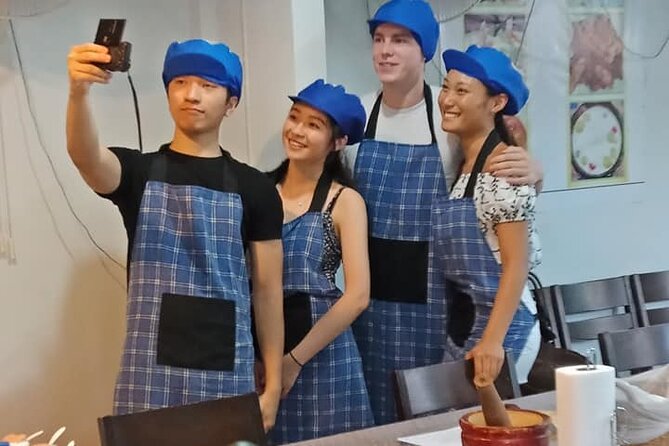
If you only have half a day in Phuket, you want something that changes how you experience Thai food. This class does that. The structure is simple: pick ingredients, cook in a practical kitchen, then eat what you made. It’s not just a demo with samples. You’re doing the cutting, mixing, stirring, and tasting.
The best part is the focus on making dishes you can repeat. You’ll be taught how to build flavors in Thai cooking, especially around curry paste and how to adjust seasoning. That matters because Thai food isn’t one fixed formula. Taste changes based on preference, spice level, and what’s fresh.
Also, the class stays small. The cap is 10 people, with some sessions running even smaller. That means your teacher can actually watch what you’re doing and guide you when your pad thai gets stuck to the pan or your curry paste needs a bit more mixing.
One practical note: you’re cooking for speed. In multiple class experiences, the kitchen time can feel like it moves quickly. It’s still friendly, but you should expect an active session rather than a slow culinary tour.
You can also read our reviews of more cooking classes in Phuket
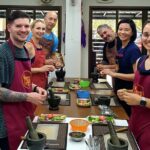
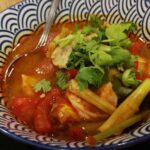
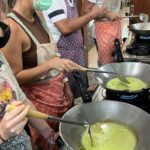
Pickup, Timing, and the Market Stop That Changes Everything
The tour is designed around convenient hotel pickup and drop-off, and you can choose a morning or afternoon class. That’s the right rhythm for Phuket: you get your “Thailand fix” without losing an entire day to transit.
Once you’re picked up, the first real payoff is the market. You’re not just getting ingredients. You’re learning how to pick them. Teachers guide you through common Thai cooking components—things like herbs, aromatics, produce, and the kinds of flavors that show up again and again in Thai dishes.
In many classes, you’ll also see how ingredients connect to the final plate:
- You choose fresh items that affect the taste of curry, salads, and noodle dishes.
- You learn what certain aromatics do, not just what they are.
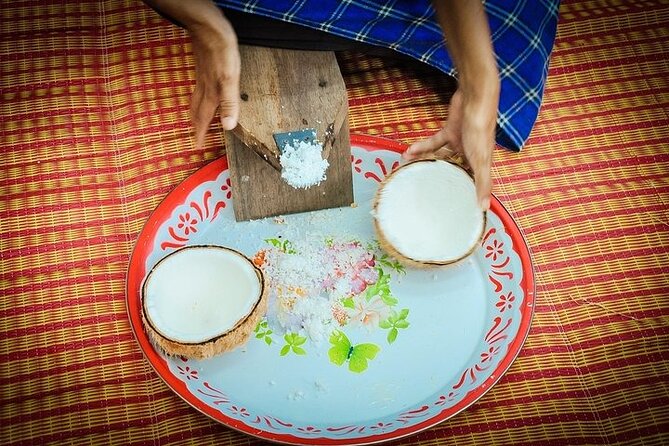
- In some sessions, you may also visit extra sources for key items, like coconut milk.
A couple of classes add a bonus stop or extra context. Some teachers bring you through coconut-related stops, or they connect the menu to their home herb garden. In the stories I read, teachers like Karn and Kaan are described as teaching with family energy—sometimes plucking herbs directly from a garden before cooking.
Even if your kitchen skills are basic, the market piece makes the whole class click. You’ll remember the ingredient choices when you try to recreate the food later.
Inside the Kitchen: Hands-On Cooking, Fast Woks, and One Real Drawback
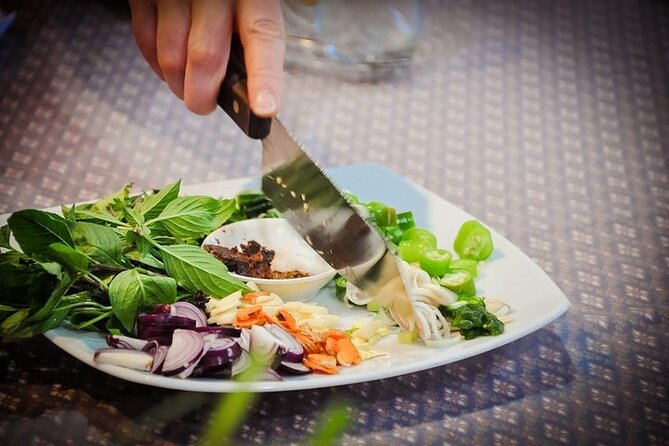
This is hands-on Thai cooking, and you should expect to work. In several class experiences, the cooking happens on woks with practical, individual prep and cooking time. You’re taught the steps, then you practice, then you eat.
That practical setup is the point. Thai cooking often looks intimidating until you realize it’s a sequence:
1) prep and measure,
2) build flavor bases,
3) cook quickly,
4) adjust to taste.
The teacher’s job is to keep you from guessing. Many of the instructors go by names like Tik, Karn, Kaan, Karen, and Kam in different sessions, and the consistent theme is humor plus lots of teaching. People highlight patience and clear instruction, even for novices.
Now the drawback: the kitchen environment isn’t always what you’d call polished. One class description called it primitive, and another mentioned a cold demonstration room. There was also a mention that there weren’t aprons, which matters when you’re working with turmeric and other colorful ingredients.
So here’s the realistic approach:
- Wear clothes you don’t mind staining a little.
- Be ready for quick action and heat.
- Expect the pace to be energetic rather than slow and relaxed.
If you come expecting a restaurant-style studio, you might feel a bit jarred. If you come expecting a lived-in teaching kitchen, you’ll likely enjoy it more.
What You’ll Cook: Pad Thai, Curry Paste, and Thai Comfort Plates
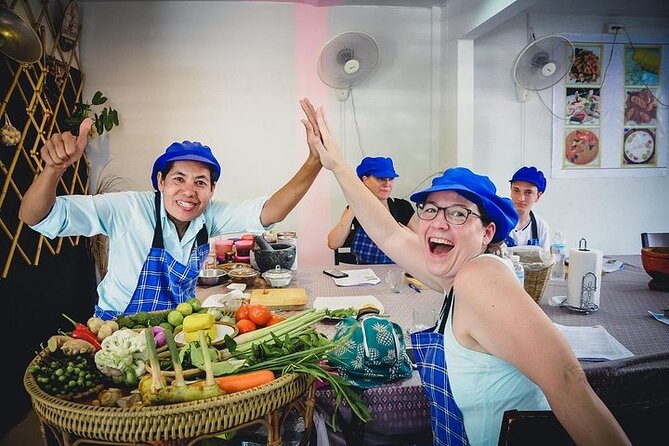
The cooking menu is designed around classic Thai favorites. The exact dishes can vary by class and the day’s plan, but curry paste is a constant theme in the class promise: you’ll make homemade paste and learn how it drives flavor.
Common dishes that show up across the class concept include:
- Pad Thai
- Papaya salad
- Massaman curry
- Mango sticky rice
- Chicken satay
- Panang curry with chicken
In real class experiences, people also mention dishes like Tom Yum soup, green curry, spring rolls, and fishcakes. Some sessions sound like they run a menu where you cook multiple dishes plus a curry paste from scratch, then eat together.
Here’s the value of cooking these dishes in a class format:
- Pad Thai teaches you noodle timing and balancing sweet, salty, and tangy flavors.
- Curry pastes teach you the foundation. Once you understand the base, you can adapt to different curries.
- Mango sticky rice is a great “Thailand skills” payoff because it’s both simple and easy to mess up without the right balance.
The teacher also helps you adjust flavors. One tip that shows up repeatedly is that you’re encouraged to adapt to your taste as you go. That’s a big deal for people who are nervous about spice or want more sweetness. Thai cooking isn’t about hitting a single correct number. It’s about flavor balance.
Portions are typically enough to leave you satisfied after the class meal, and the cooking experience often includes tasting what you made right away.
Market-to-Meal: Lunch or Dinner and the Take-Home Factor
After shopping and cooking, you eat the results. The class is built around that full loop: ingredients first, then cooking, then meal. That’s why it feels like a real experience rather than a quick workshop.
Your meal can be lunch or dinner depending on which session you book. The dishes you cook are the dishes you eat, which makes it easier to judge what tastes right and what you might want to tweak next time.
A frequent highlight is that the food is not just edible but genuinely great—people talk about favorites like green curry and Tom Yum soup, plus mango sticky rice. And since you’re actively cooking, you’re not stuck waiting for someone else’s plate.
Take-home is another reason this class holds value. Several class accounts mention receiving a recipe book, and some mention having takeaway boxes for leftovers. Even if you don’t get boxes in every session, having recipes makes it far more likely you’ll actually cook again at home instead of letting the memory fade.
This is where $69 starts to make sense. You’re paying for:
- a teacher,
- ingredients and market access,
- transportation convenience,
- and a skill you can reuse.
For many people, that’s a better deal than a one-and-done meal because the learning keeps paying off.
You can also read our reviews of more tours and experiences in Phuket




Small Group Energy: Why the Limit Matters in Real Life
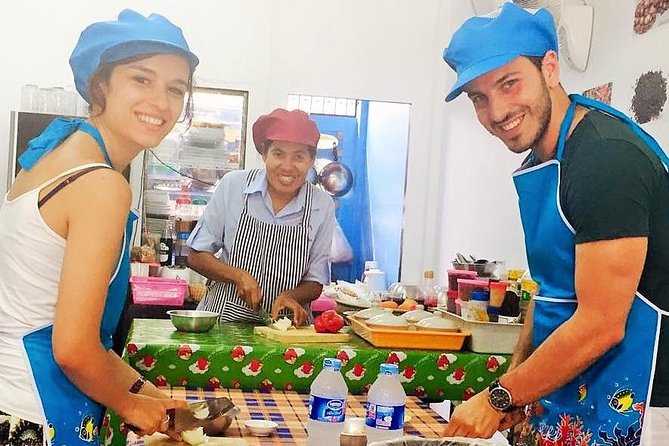
The class limit is a big deal. The maximum is 10 people, and some experiences describe groups of just a couple guests. That kind of size changes everything: you’re more likely to get individual attention, and questions don’t get lost in a crowd.
In a larger group, a teacher can only do so much. In a small class, they can watch your chop speed, your mixing consistency, and your taste adjustments. That’s how you learn faster and end up with food that doesn’t just follow a recipe but makes sense.
It also makes the class feel more personal. Many people describe the instructor as playful and friendly, often involving family energy in the teaching experience. You’ll likely feel comfortable asking for help, especially if you’re a total beginner.
If you’re traveling with a partner or a friend, this is a great format. You can compare flavors, trade tips, and laugh when your first attempt at curry paste looks nothing like the one on a cooking channel.
Who Should Book This Cooking Class, and Who Might Not
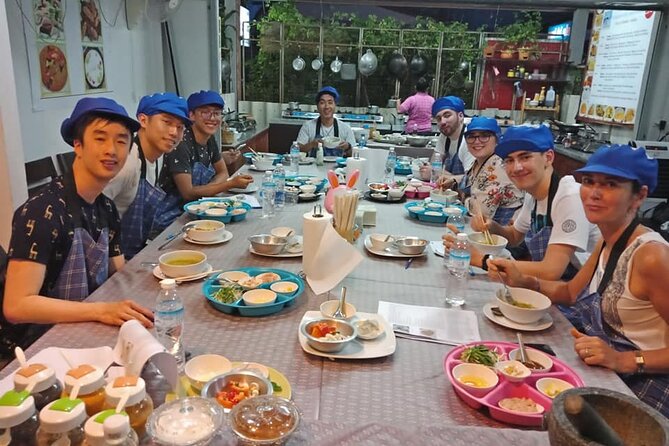
This class is a strong match for you if:
- you want a hands-on food experience in Phuket,
- you want skills you can repeat at home,
- you like learning through cooking, not just watching,
- you prefer a smaller setting over a bus-and-bite tour.
It’s especially good if you’re curious about Thai flavor building. Curry paste technique is the kind of thing that makes future meals easier and more confident.
You might want to think twice if:
- you want a glossy, high-end kitchen environment,
- you’re sensitive to speed and heat,
- you expect lots of downtime or a slow-paced tour style.
Also, if you’re bringing non-cooking companions, there’s an extra cost. The class notes that non-cooking participants have an extra charge of THB 1,100, which you’ll want to factor into your total decision.
Should You Book Phuket Easy Thai Cooking?
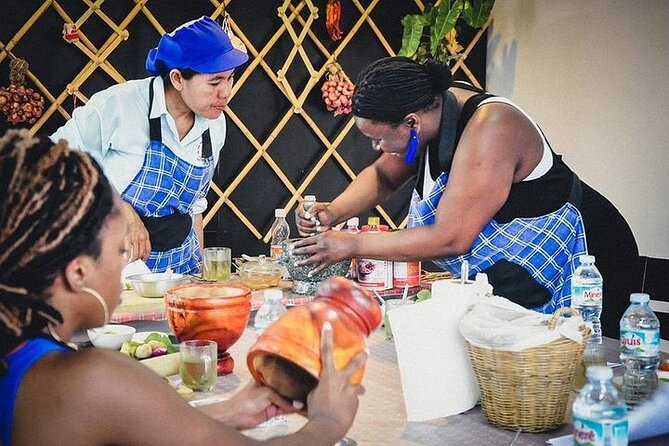
I’d book it if your goal is to leave with real Thai cooking skills and a satisfying meal you helped make. The combination of market shopping, homemade curry paste practice, and a small group setup is exactly what turns a half-day activity into a meaningful souvenir.
Skip it only if you’re looking for a polished, sit-and-watch experience, or if you dislike being in an active kitchen setting. The teaching style is clearly designed for learning by doing, even when the setup is simple.
Bottom line: if you’re the type of person who wants to recreate the flavors you love, this class has a strong chance of paying you back every time you cook Thai food later.
FAQ
How long is the Half-Day Phuket Easy Thai Cooking class?
The experience runs about 4 hours, typically described as around 3 to 4 hours in the kitchen.
Is hotel pickup and drop-off included?
Yes, round-trip hotel transport is included.
What dishes will I cook?
You’ll cook classic Thai dishes. The class description lists options like Pad Thai, papaya salad, and Massaman curry, and it also mentions popular dishes such as chicken satay, Panang curry, and mango sticky rice. Your exact menu may vary by session.
Is this class a small group?
Yes. It’s limited to a maximum of 10 people, and some sessions may run with fewer participants.
Can I bring a non-cooking participant?
Non-cooking participants can join for an extra charge of THB 1,100.
Is it suitable for children?
Children under 7 are free as long as they are accompanied by an adult.
What is the cancellation policy?
Cancellation is free up to 24 hours in advance for a full refund. If you cancel less than 24 hours before the start time, the amount paid is not refunded.