REVIEW · PHUKET
Scuba Diving Kata Beach Night Dive for Certified Divers
Book on Viator →Operated by Phuket Dive Tours · Bookable on Viator
Kata Beach at night turns small things into stars. This Phuket swim is interesting because Kata is one of Thailand’s best places for macro and photography-friendly underwater life, and the timing works for night sea activity. I also like the small-group setup (up to 3 people), which makes it easier for a guide like Sky to slow down and point out the tiny stuff.
What you should keep in mind: this outing is gear-light on your end. Yes, you get the tank and weights, but you may still need to rent the rest of your scuba equipment for an extra 300 THB, and getting your weight setup right matters a lot for comfort after dark.
In This Review
- Key things to know before you go
- Kata Beach at night: why this spot is worth the trip
- The “one evening, one session” plan
- Who qualifies (and why the requirements are strict)
- Included gear vs. the stuff you may need to pay for
- The meeting point: show up where the session starts
- What Kata is like underwater (especially after dark)
- Time in the water: what to expect from a well-run night
- The guide factor: why the name matters here
- Value check: is $60 a fair deal?
- Service quality: what looks strong, what to watch
- Photography and macro lovers: what you can aim for
- Should you book this Kata Beach night session?
- FAQ
- What time does the night scuba session start?
- How long is the experience?
- Where is the meeting point?
- What’s included in the price?
- What isn’t included?
- Is transportation included?
- Who is eligible to join?
- What’s the group size?
- Do I need to bring or rent my scuba equipment?
- What happens if weather is bad?
Key things to know before you go

- Kata Beach is a macro-focused underwater playground—great for close-up critters without long, crowded trips.
- Night timing changes what you see—your guide will hunt for the evening characters that don’t show up in daylight.
- Small group (max 3 travelers) usually means more attention and less waiting around.
- You’re responsible for full gear rental if needed—the cylinder and weights are included, but not the entire scuba kit.
- Guide Sky gets standout praise for spotting little creatures and keeping the pace relaxed.
Kata Beach at night: why this spot is worth the trip
Kata Beach is known for one big thing: lots of small life. If you’re the kind of diver who likes details—odd shapes, tiny color changes, unusual behavior—you’ll feel at home here. The area is spread out into smaller reef sections (people talk about parts like the reef, cubes, sandy zones, and corners), which helps keep the experience varied even though you’re in one convenient region.
Timing matters, too. The best months for overall water conditions run roughly October to May, when surface conditions and visibility are at their best. Night works year-round during the season, and Kata has enough structure that there’s usually something worth looking at after sunset.
If you’ve been in Phuket for only a short window, this kind of plan has real value. Instead of chasing far-off routes and long boat rides, you can stay close to shore and still get meaningful underwater time focused on wildlife.
You can also read our reviews of more evening experiences in Phuket


The “one evening, one session” plan
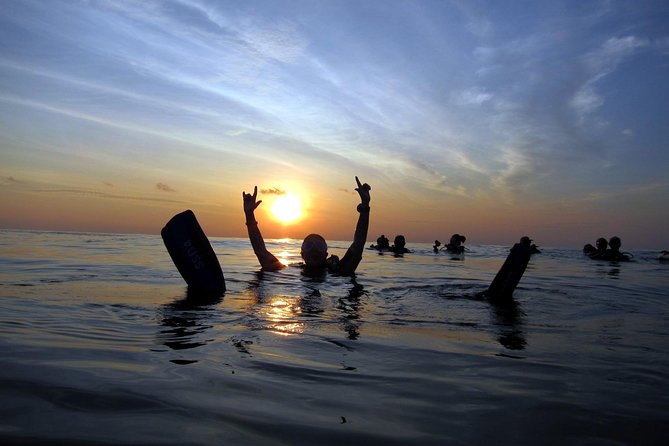
This is a straightforward format: meet at the scuba shop, gear up, and head into the water for a night session. The schedule lists a start time of 6:00 pm and an approximate duration of 2 hours total, and the activity ends back at the meeting point.
There’s only one stop listed—so don’t expect a multi-stop itinerary with lots of transitions. That can be a plus if you want a clean, low-stress plan that fits an evening in Phuket.
Because the plan is compact, your preparation is what makes it feel smooth. If you arrive on time, with your logbook details ready (more on eligibility below), and you’ve double-checked your buoyancy and comfort basics, the whole thing tends to flow better.
Who qualifies (and why the requirements are strict)
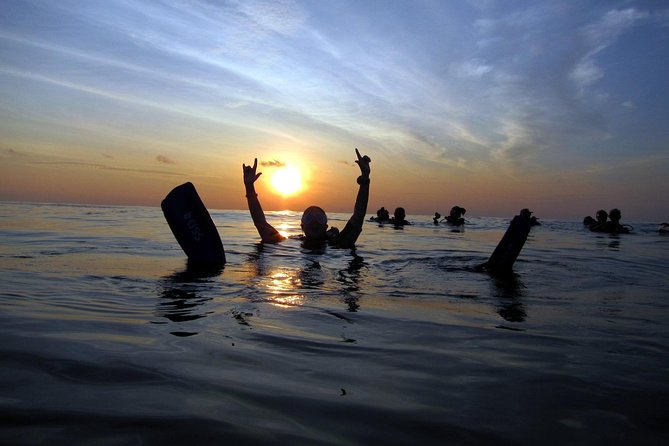
This outing is for certified divers with a valid license. They also specify that you must have dived within the last 6 months, have a reasonable fitness level, and have no medical conditions whatsoever that could affect your health.
They also call out a practical insurance issue: you should have private medical insurance that covers scuba-related incidents in Thailand. That’s not just fine print. Night water adds complexity—colder air or fatigue can happen, visibility changes, and you’ll be relying more on your buddy and your guide’s pacing.
If you haven’t been in the water recently, or you’re unsure about fitness or medical clearance, you’ll get more out of rescheduling or choosing a different option that matches your current comfort level. The requirements are there so the experience stays enjoyable and safe.
Included gear vs. the stuff you may need to pay for
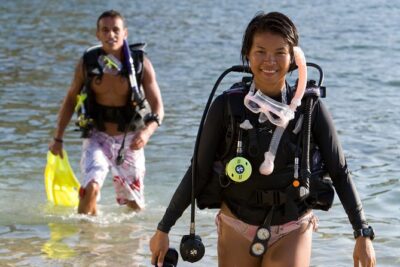
Here’s the cost/value logic in plain terms. Your booking includes a 12 LT scuba cylinder, plus weights and a weight belt. That’s not nothing. Those are the bulky, setup-critical pieces that you’d otherwise have to deal with right at the shop.
What’s not included is full scuba equipment rental, listed as an extra 300 THB. So you’ll want to confirm what you’re bringing versus what you’ll rent:
- If you have your own mask, regulator, fins, and tank gear: you may be fine.
- If you only own partial gear: plan on paying the 300 THB for the missing pieces.
One small warning from feedback: when weight setup is off, your whole comfort level changes. One account noted the weight wasn’t handled correctly, making the underwater work feel harder than it needed to be. You can’t control everything, but you can control whether you speak up and re-check your trim and comfort during setup.
The meeting point: show up where the session starts
You’ll start at the scuba center on Soi Pakbang, Tambon Karon, Amphoe Mueang Phuket, Chang Wat Phuket 83100, Thailand. The activity ends back at the same meeting point, so you don’t need to plan a complex end-of-evening route.
Also, tickets are listed as mobile ticket based. That usually means you should keep your confirmation easy to access on your phone and be ready to show it on arrival.
You can also read our reviews of more scuba diving tours in Phuket



What Kata is like underwater (especially after dark)
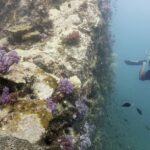
Kata is often praised for macro life, and that shows up most in the tiny, behavior-based sightings. Instead of only hunting bigger animals, you’ll likely spend a lot of time looking for smaller subjects—colorful critters, odd textures on the reef, and creatures that blend into structure until your light hits them.
Night adds another layer. You’ll be out when some animals become more active and some plants and surfaces look completely different with your torchlight. That’s where having a careful guide really matters.
A key point from the feedback: Sky is repeatedly described as having a strong eye for little things, going at a slower pace, and finding the fun critters that show up at night. For you, that means the experience is less about rushing past the “big ticket” and more about enjoying the details that most people miss.
Time in the water: what to expect from a well-run night
The listing doesn’t spell out a strict minute-by-minute underwater schedule, but it does give a total duration estimate of about 2 hours. In practice, that usually includes:
- a brief check-in and setup period on shore
- equipment adjustments (especially weights)
- the main night session
- time to regroup and return
You should also know that feedback includes examples of long underwater times on similar outings (people talked about sessions lasting over 70 minutes). Don’t treat that as a guarantee, but it signals that the operation can run night sessions with enough time to actually enjoy what’s out there.
One more practical note: night underwater comfort depends on buoyancy control. If your weight is off, you’ll burn energy quickly—then you’ll start moving faster than you want. That’s exactly the type of issue mentioned in at least one less-perfect account, so it’s worth taking weight checks seriously even if everything looks fine at first.
The guide factor: why the name matters here
A lot of night underwater experiences rise or fall on the guide’s attention to detail. In the feedback, Sky is the standout name for this specific kind of session. People highlighted her ability to spot small creatures, keep things friendly, and go slow enough that first-time night participants still felt comfortable.
That matters because night underwater sightseeing is different from daylight. You’re working with limited light, and quick movements often mean missing the small stuff you came for.
You’ll also see other instructors praised in the broader company context—people mention Jon, John, and Beto from other course experiences. There’s one cautionary note, too: an account criticized communication clarity and English proficiency for an open-water course with Victor. That’s not about this night session directly, but it does tell you the guide/instructor match can matter.
For your booking, the best move is simple:
- Ask what the guide’s English level is like.
- Mention that you want a slow, detail-focused pace if that’s your goal.
- Speak up right away if you don’t understand instructions during setup.
Value check: is $60 a fair deal?
At $60, this can be solid value because you’re getting key hardware included: the 12 LT cylinder plus weights and a weight belt. You also get what you’re really paying for in a night plan: access to Kata Beach during prime macro hours and a guide-led search for evening-life critters.
The potential extra cost is the full scuba equipment rental at 300 THB. Whether that makes the deal great or only okay depends on whether you already have your own gear. If you’re renting most of it anyway, that adds up. If you only need a couple pieces, the included weights and tank help keep costs down.
Also factor in the logistics: transportation is not included. If you’re staying in a spot that’s hard to reach, you may spend extra on getting yourself to the meeting point. If you can get there easily, the overall value improves fast.
Service quality: what looks strong, what to watch
Overall feedback points to a good operation, with a rating of 4.6 out of 5 and 93% recommending the experience. The strongest praise centers on:
- creature spotting, especially small night animals
- a calm pace
- friendliness and helpful guidance
But there are two practical watch-outs:
- One note mentioned weighting not being set correctly, which made the underwater work harder than it needed to be.
- Another note about a course experience raised concerns about communication clarity with an instructor named Victor.
Neither of those automatically ruins your night session. They just mean you should show up prepared to communicate. Ask for your weight check, confirm comfort and buoyancy before you start, and don’t be shy about saying you need slower instructions at night.
Photography and macro lovers: what you can aim for
If you care about taking photos, Kata Beach is a strong match because macro life tends to create a lot of “fill the frame” moments. Night can be especially rewarding because animal behavior shifts and colors can pop under torchlight.
To get the most from your camera (or phone), plan for steadier handling:
- expect less visibility than daytime
- keep a relaxed pace so you’re not chasing fast-moving targets
- rely on your guide to point out interesting subjects rather than drifting aimlessly
If you’re a macro-focused photographer, the benefit of staying in a convenient area like Kata is huge. You spend less time traveling and more time actually looking.
Should you book this Kata Beach night session?
Book it if you are a certified diver who has been in the water recently and you want a night plan centered on macro critters, not a big scenic spectacle. I’d also recommend it if you like the idea of a guide like Sky slowing down and helping you notice small life.
Skip it or reconsider if:
- you haven’t dived in the last 6 months
- you have any medical issues that could affect safe scuba participation
- you expect transportation to be provided (it isn’t)
- you’re not comfortable paying extra for full equipment rental if you don’t bring your own setup
For the right diver, this is a good Phuket evening value: compact timing, strong creature-spotting potential, and a night atmosphere that’s made for noticing details.
FAQ
What time does the night scuba session start?
It starts at 6:00 pm.
How long is the experience?
The duration is listed as about 2 hours.
Where is the meeting point?
Meet at Soi Pakbang, Tambon Karon, Amphoe Mueang Phuket, Chang Wat Phuket 83100, Thailand. The activity ends back at the meeting point.
What’s included in the price?
Included are a 12 LT scuba cylinder, plus weights and a weight belt.
What isn’t included?
Full scuba equipment rental is not included, and it’s listed as an additional 300 THB.
Is transportation included?
No, private transportation is not included.
Who is eligible to join?
You must be a certified diver with a valid scuba license, have dived within the last 6 months, have a reasonable fitness level, and have no medical conditions that could impair health. Private medical insurance covering scuba in Thailand is also recommended.
What’s the group size?
The experience has a maximum of 3 travelers.
Do I need to bring or rent my scuba equipment?
The cylinder, weights, and weight belt are included, but you may need to rent the full set of scuba equipment for 300 THB, depending on what you bring.
What happens if weather is bad?
The experience requires good weather. If it’s canceled due to poor weather, you’ll be offered a different date or a full refund.