REVIEW · PHUKET CITY
Old Phuket Farm Ticket – Countryside Local Life Culture
Book on GetYourGuide →Operated by Oh-Hoo · Bookable on GetYourGuide
Phuket gets all the beach headlines, but this countryside visit shows the island’s workday side, from buffalo farming to rubber tapping. I love that you don’t just watch—you try hands-on activities like coconut grating and curry paste-making. One trade-off: the experience is about farm tasks and tastings, not a meal-heavy tour, so come ready to eat elsewhere if you’re hungry after.
You’ll start at Old Phuket Farm for a roughly 2-hour guided walk through rice fields, rubber trees, and pineapple growing areas. The tour is led by an English-speaking guide (many bookings mention the guide Bernie by name), and small-group touring keeps the pace friendly. The other practical note: meals aren’t included, though you should expect farm-fresh product samples during the visit.
In This Review
- Key Points You’ll Care About
- What Old Phuket Farm Really Feels Like
- Meeting the Day: Buffaloes, Then the Farm Flow
- Rubber Trees and the Rhythm of Tapping Sap
- Rice Fields: Planting and Harvest Methods You Can Picture
- Tin Panning: A Phuket Clue You Might Not Expect
- Coconut Grating and Curry Paste-Making: Where Learning Turns Tasty
- Pineapple Knowledge and Tasting: The Crop With a Payoff
- Timing, Pace, and How Long 2 Hours Actually Is
- Price and Value: Is $36 Worth It?
- Who This Tour Is Best For (and Who Might Skip It)
- Tips to Get the Most Out of Your Visit
- Should You Book Old Phuket Farm?
- FAQ
- FAQ
- How long is the Old Phuket Farm tour?
- Where does the tour start?
- What’s included in the ticket price?
- Are meals included?
- What languages are available for the guide?
- Do I need to book a specific time?
- Is there free cancellation?
- Can I reserve and pay later?
- Is the ticket line skipped?
- What ages are accepted for child tickets?
Key Points You’ll Care About
- Buffalo-first storytelling: you begin with the animals that shaped traditional Thai agriculture.
- Hands-on making: curry paste and coconut prep are active, not just demo-style.
- Tin panning practice: a Phuket-specific nod to the island’s tin history.
- Rubber tapping viewing: see how latex turns into usable rubber sheets.
- Pineapple and local produce tastings: farm-grown flavors you can actually taste.
What Old Phuket Farm Really Feels Like
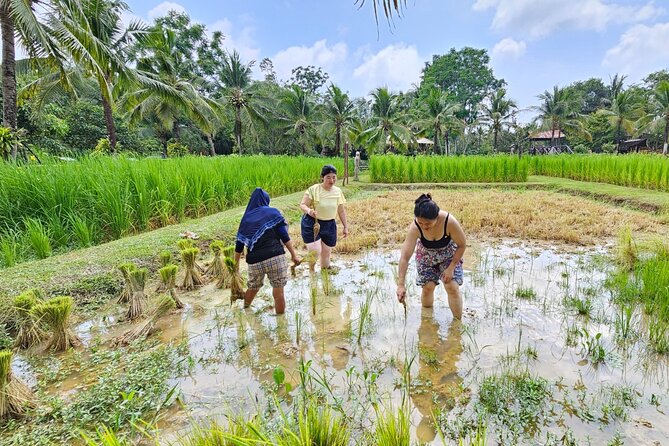
Old Phuket Farm is a short hop into a slower Phuket. You come for a 2-hour experience, but it’s built to feel like a day in the past: agriculture as daily routine, not just a photo backdrop. The setting is intentionally set away from the big tourist circuits, which helps you feel like you’re learning real local systems instead of ticking boxes.
This is also one of those tours where the value comes from your hands and your questions. If you like knowing how things work—how rice gets planted, how rubber gets tapped, why certain crops are grown here—you’ll get more out of it. If you want a beach-style sightseeing rhythm, you might find the pace a bit task-focused.
You can also read our reviews of more tours and experiences in Phuket City


Meeting the Day: Buffaloes, Then the Farm Flow
You’ll meet at Old Phuket Farm, and you can come on your own to the meeting spot. Once you start, the tour logic is simple: you’re shown how farming used to run, then you move crop by crop through the fields and processing steps.
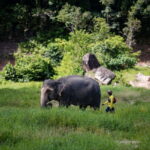
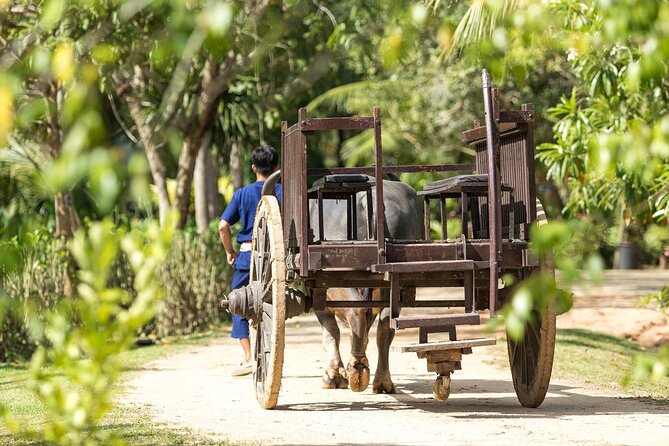
The buffalo moment matters more than it might sound. In traditional Thai farming, buffaloes weren’t just scenery. They’re part of how land work happened in many places before modern equipment. Starting there gives you a foundation. After that, when you move to rubber trees or rice fields, you’re not seeing random agriculture scenes—you’re seeing the same theme repeated: tools, seasons, and daily labor.
Then you begin the walk toward different working areas, with photo stops and scenic views along the way. This part is great if you like small moments: the view of fields you can actually see working, the feel of being on a working farm, and the chance to ask questions before the more hands-on sections.
Rubber Trees and the Rhythm of Tapping Sap
Next up is the rubber area, and this section is one of the clearest demonstrations of how farm knowledge turns into a product. You’ll watch the process of tapping sap and creating rubber sheets. The point isn’t that you’ll become a rubber expert in 2 hours; it’s that you’ll understand the steps and why rubber is such a major southern Thai crop.
Look closely here. Rubber tapping isn’t a one-step activity; it’s a repeated process tied to maintenance and timing. When you can see the workflow, rubber stops being a vague Thailand souvenir theme and becomes a real production process.
If you’re the kind of traveler who likes practical explanations, you’ll probably enjoy this segment the most. Many people especially value the guide’s ability to connect farm tasks to everyday life.
Rice Fields: Planting and Harvest Methods You Can Picture
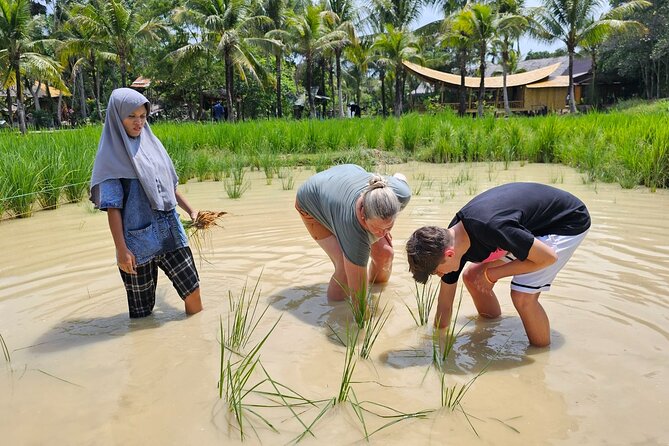
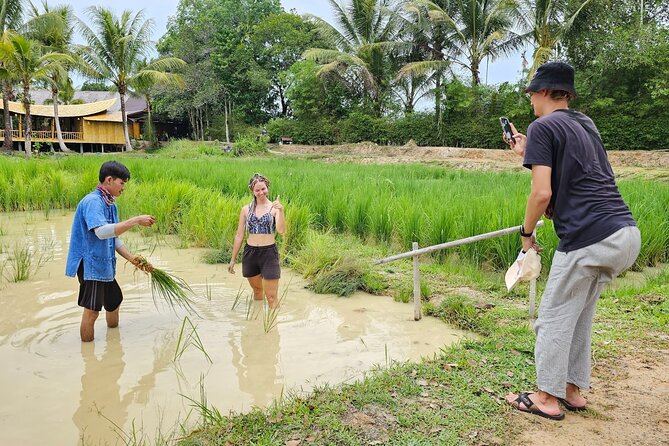
After rubber, you’ll head into the rice side. Rice is the staple behind so much Asian cuisine, so this isn’t just agriculture trivia—it helps you connect the food you eat with where it comes from.
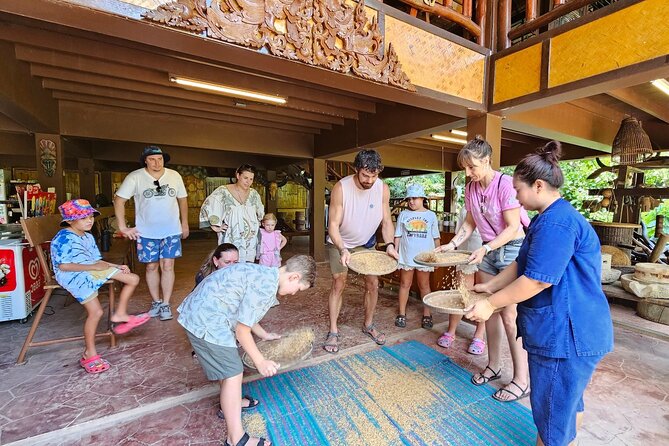
In this part of the tour, you’ll see time-honored methods tied to planting and harvesting. Even if you don’t remember every step, you’ll leave with a better mental picture of what rice farming looks like on the ground: the cycles, the work involved, and the practical reality that rice is grown for daily eating, not as a single harvest event.
This is also where the countryside setting helps. When you stand near rice fields and see how everything lines up—water needs, field layout, and routine—the stories become easier to understand.
Tin Panning: A Phuket Clue You Might Not Expect
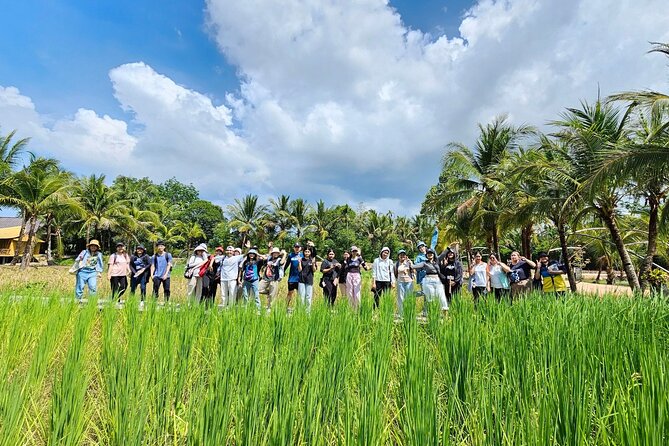
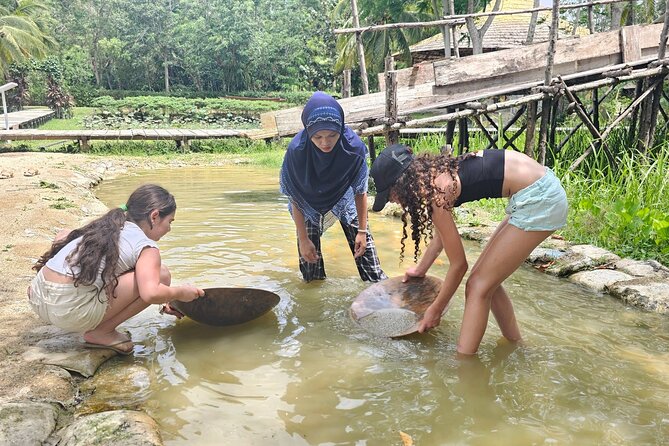
One of the more unique stops is tin panning. Phuket’s far from being just beaches; the island has a historic connection to tin mining, and this activity brings that connection to life in a hands-on way.
Tin panning is a short activity, but it’s memorable because it’s not common in typical Phuket tours. It adds variety to the farm theme and gives you a story that feels more Phuket-specific than generic Thai agriculture.
If you like interactive breaks—something where you try and not just listen—this is a great moment. And even when the results are small, the fun is in seeing how a process works.
You can also read our reviews of more tours and experiences in Phuket City

Coconut Grating and Curry Paste-Making: Where Learning Turns Tasty

Here’s the section that turns the whole tour from educational to delicious. You’ll visit a traditional Thai house area where you learn about coconut grating and curry paste-making using fresh farm ingredients.
This is one of the most satisfying parts because it’s direct and sensory. Coconut prep makes you understand texture and effort. Curry paste-making shows you that flavor starts with real ingredients working together, not with a mystery jar.
The practical value: you’ll probably eat Thai food later with a new awareness of what’s inside those pastes and why they taste the way they do. Even if you don’t cook at home regularly, this is the kind of lesson you remember.
Also, this is a good option if you’re traveling with food lovers. You’ll get more conversation topics at dinner that don’t sound like the usual Phuket beach comparisons.
Pineapple Knowledge and Tasting: The Crop With a Payoff
No farm tour should be purely theoretical, and this one isn’t. You’ll enjoy Phuket’s pineapples and learn how they’re grown. Then you get a chance to taste the fruit.
What I like about this segment is the simplicity. Pineapple is easy to recognize, so you can focus on learning rather than guessing what you’re looking at. Seeing how the crop is cared for helps you understand why farm-grown fruit tastes different from what you buy in a store.
This is also a nice final “reward” after the hands-on tasks. It feels like the tour is completing the cycle: from farm work to farm flavor.
Timing, Pace, and How Long 2 Hours Actually Is
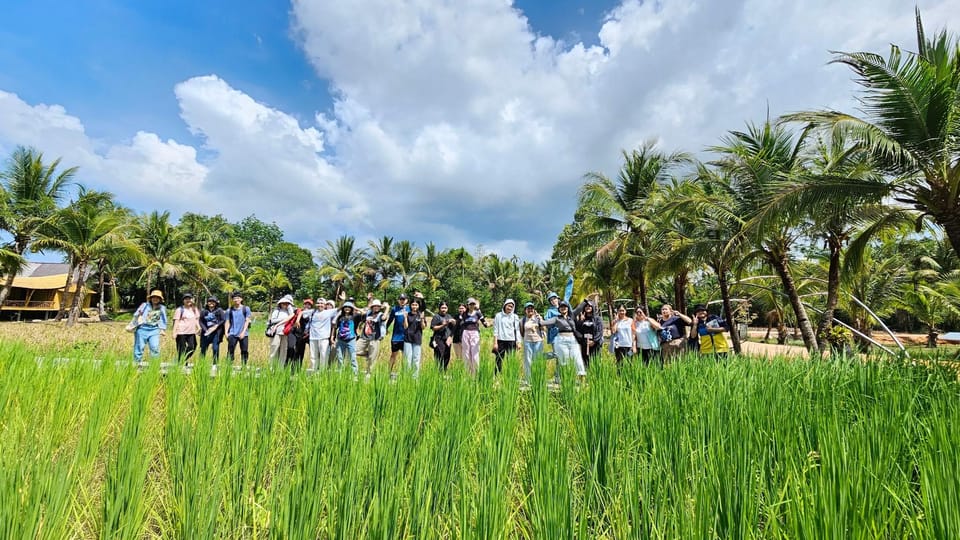
This experience runs about 2 hours. That’s the sweet spot for many people who want culture without losing half a day. You get enough time to see multiple systems—buffalo work, rubber, rice, coconut and curry—without feeling rushed from stop to stop.
Pace-wise, it’s a guided walk with a mix of viewing and trying. The best way to enjoy it is to lean into participation. Ask questions while you’re near each crop or tool. When you try something like coconut grating or curry paste prep, you also get a better baseline for understanding the rest.
Wear comfortable shoes. You’ll be moving around the farm. Also, consider light layers since you’ll likely be outdoors for parts of the day.
Price and Value: Is $36 Worth It?

At around $36 per person, the price feels fair if you want real farm skills and food learning in a short window. You’re not paying mainly for entry to a pretty garden—you’re paying for an English guide, the interactive activities, and the farm product experiences.
Here’s how the value adds up:
- You get an English guide plus full insurance included.
- You get multiple agriculture themes in one visit: buffaloes, rubber, rice, and pineapple.
- You do hands-on tasks tied to Thai cooking basics, not just passive sightseeing.
- You get tin panning, which gives the tour a Phuket-specific flavor.
The one cost trade-off is that meals aren’t included. If you’re hoping this counts as lunch or dinner, plan to grab food after. But if you treat it as a culture + tasting afternoon (and you’re okay with light samples), the price starts to make a lot more sense.
Who This Tour Is Best For (and Who Might Skip It)
This is a great fit for you if:
- You like hands-on learning, especially food-related tasks.
- You want Phuket beyond the beaches.
- You’re curious about how southern Thai farming works.
You might want to skip or rethink if:
- You’re only interested in major monuments or long scenic drives.
- You expect a meal-focused experience with full lunch/dinner.
- You prefer purely relaxed sightseeing with no active participation.
If you’re traveling with kids, the tour has child tickets for ages 4–11, but the experience is still work-and-farm oriented. It can be a fun learning stop, just know it’s not a theme park style show.
Tips to Get the Most Out of Your Visit
A few small choices make the difference:
- Ask specific questions during each crop section. If you want the rubber process explained step by step, say so.
- Bring a curious mindset. This tour works best when you treat it like learning, not just viewing.
- Plan your meal timing. Since meals aren’t included, eat beforehand or budget for food afterward.
And if you care about English clarity, you’ll likely be happy—many bookings highlight that the guide’s English is strong and easy to understand, which makes farm explanations land fast.
Should You Book Old Phuket Farm?
If you want a short Phuket experience that feels authentic and practical, I’d book it. The combination of hands-on curry paste-making, real farm systems like rice and rubber, plus Phuket’s tin panning tie-in makes it more interesting than a typical photo-stop farm tour. The small-group feel mentioned in many experiences also helps keep attention on the activities.
Just go in with the right expectations: it’s about agriculture and food learning, not a full meal outing. If that matches what you want, Old Phuket Farm is one of the better ways to spend a couple of hours in Phuket.
FAQ
FAQ
How long is the Old Phuket Farm tour?
The tour lasts about 2 hours.
Where does the tour start?
The meeting point is Old Phuket Farm, and you can come by yourself.
What’s included in the ticket price?
Included items are the admission fee, an English guide, and full insurance.
Are meals included?
No. Meals are not included in the tour.
What languages are available for the guide?
The live tour guide is available in English and Thai.
Do I need to book a specific time?
The duration is fixed at 2 hours, but you should check availability to see starting times.
Is there free cancellation?
Yes. You can cancel up to 24 hours in advance for a full refund.
Can I reserve and pay later?
Yes. You can reserve your spot and pay later.
Is the ticket line skipped?
Yes, the ticket line is skipped.
What ages are accepted for child tickets?
Child ticket age is for ages 4–11 years.