REVIEW · PHUKET CITY
Phuket: Bukit Elephant Park Sanctuary Walk and Feed Tour
Book on GetYourGuide →Operated by Bukit Elephant Park · Bookable on GetYourGuide
A few hours with elephants beats another beach day. This sanctuary walk and feed in Phuket is short, well organized, and focused on watching rescued elephants live more naturally. What makes it especially interesting is the mix of hands-on feeding (no riding, no bathing) plus real time explanations from guides and mahouts about elephant behavior and history.
What I really like is that you get two separate feeding moments—first banana baskets and later fruit-mixed rice balls—so you’re not rushing past the fun part. I also like the structure: hotel pickup, a guided walk, and lots of photo chances, all while elephants roam freely in their own space.
One consideration: it’s a joined-van tour with set pickup windows, and the interaction rules are strict. If you’re late, the van can leave for the next hotel, and you’ll need to follow the on-site behavior and photography rules.
In This Review
- Key Highlights You’ll Care About
- Bukit Elephant Park Sanctuary Walk: What Makes This Tour Different
- The 90-Minute Flow: From Pickup to Banana Feeding to Rice Balls
- Step 1: Hotel pickup on a joined van
- Step 2: Arrive at Bukit Elephant Park (the guided sanctuary time)
- Step 3: Banana basket feeding (close, but controlled)
- Step 4: The walking portion (you learn as you go)
- Step 5: Fruit rice balls (the second feeding moment)
- Meet the Elephants Like Animals, Not Attractions
- Photo Opportunities and the Rules That Protect Everyone
- What about elephants bathing?
- If it rains
- Price and Value: What $51 Buys You in Phuket
- Logistics That Actually Matter: Pickup Times, Wait Stress, and What to Bring
- What to bring
- What not to bring/do
- Language and who it suits
- A Balanced Take: The Best Parts and the One Thing to Watch
- Should You Book Bukit Elephant Park’s Sanctuary Walk and Feed Tour?
- FAQ
- How long is the Bukit Elephant Park sanctuary walk and feed tour?
- Is hotel pickup included?
- What’s included in the tour price?
- Can I ride or bathe the elephants?
- Are flash photos and drones allowed?
- What should I bring with me?
- Who should avoid this tour?
Key Highlights You’ll Care About
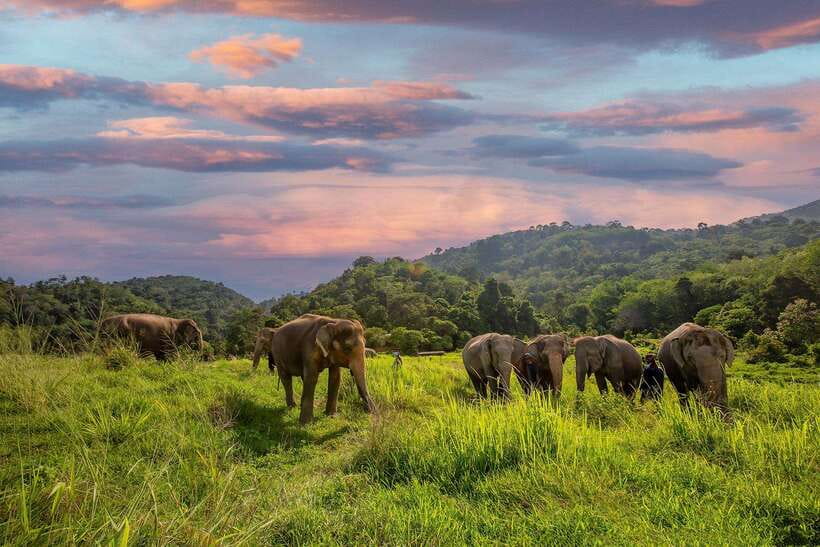
- Two feeding experiences: banana baskets first, then fruit rice balls later
- Elephants roam freely: a sanctuary setup with room to move, not show-life routines
- No riding or no bathing: you observe and feed only in ways the staff permit
- English guide plus mahouts input: you’ll get clear explanations of behavior and care
- Fast Phuket-friendly timing: about 90 minutes, great if you want one solid activity
- Practical extras can help: umbrellas, optional refreshments, and rain gear have shown up on tours
Bukit Elephant Park Sanctuary Walk: What Makes This Tour Different
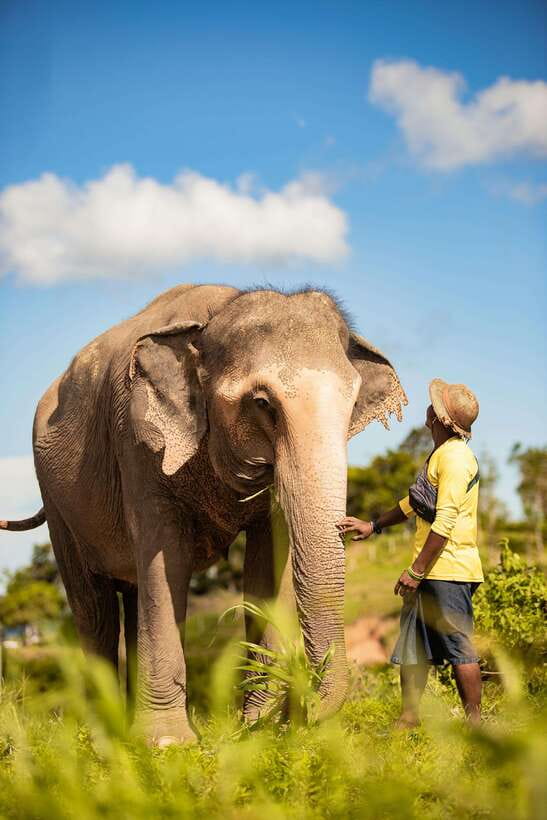
This is one of those tours where the point is not entertainment. The point is proximity with responsibility. At Bukit Elephant Park, the experience is built around letting rescued elephants move through their day while you learn how they think, eat, and behave—without turning them into a ride or a prop.
You’re with a team of guides and mahouts, and the park emphasizes elephant welfare above everything else. The tour also makes its limits very clear: you’re not doing elephant riding or bathing. That matters because it shapes the whole tone of the visit. You’re not waiting for a performance; you’re paying attention to animal behavior, then feeding in the specific ways the staff guide you toward.
Another small thing I like: the tour is short enough to fit into a busy Phuket schedule. If you’re staying on the island for a few days, 90 minutes is a clean chunk of time that doesn’t swallow your day.
You can also read our reviews of more tours and experiences in Phuket City.



The 90-Minute Flow: From Pickup to Banana Feeding to Rice Balls
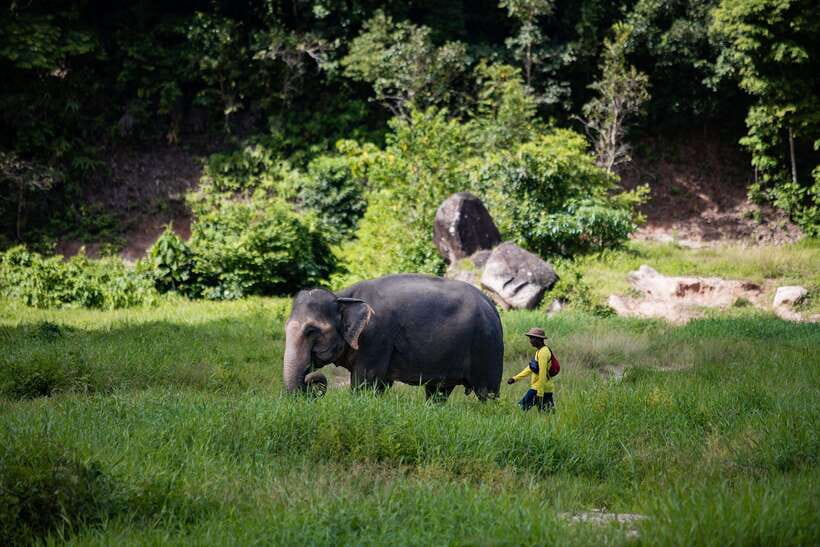
The tour is designed like a tight, single-session loop: you get picked up, you spend about an hour and a half at the sanctuary, and then you’re dropped back at your hotel area. Because the time is controlled, the park visit doesn’t feel stretched or chaotic.
Step 1: Hotel pickup on a joined van
Pickup covers many parts of Phuket Town and the beaches (including Patong, Karon, Kata/Koh Sirey area, Bang Tao, Kamala, Cape Panwa, Chalong, and more). It’s a joined van, so you’ll share transport with other people. This is normal for tours like this, but it explains why they use pickup windows rather than one exact minute.
Tip: you’ll get the best experience if you’re ready early. The guide says the van can’t wait indefinitely—if you miss it, they move on to the next hotel. This is especially important in peak traffic zones like Patong.
Step 2: Arrive at Bukit Elephant Park (the guided sanctuary time)
Once you’re there, the tour is guided for about 1.5 hours. This is where the elephant stories and behavior lessons show up.
You’ll be taught how to approach the feeding setup and what the elephants do during routine feeding. The vibe I’d expect from this kind of sanctuary tour is calm and instructional. You’re not rushed through a checklist; you’re given time to look, feed, and understand.
Step 3: Banana basket feeding (close, but controlled)
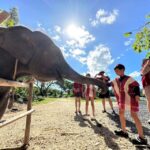
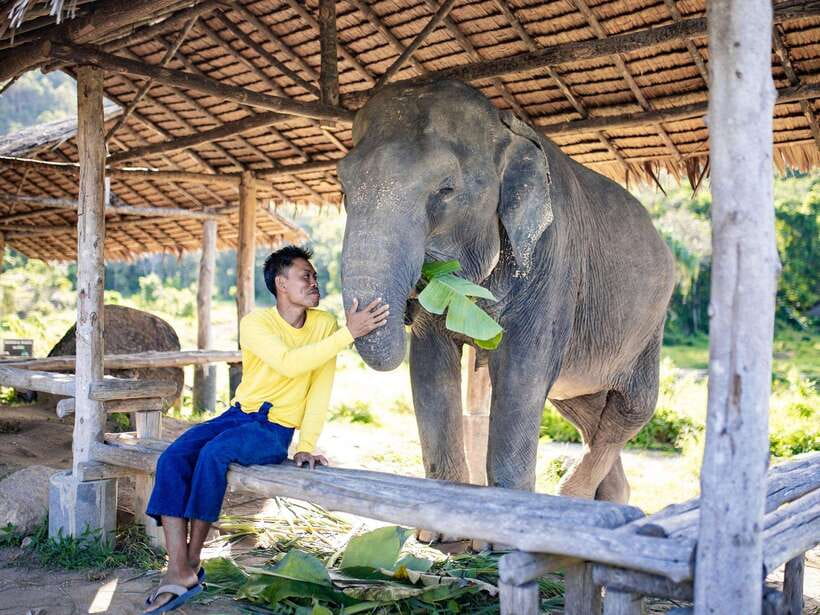
Feeding starts with a basket of bananas. This is typically the moment people remember most because it feels both personal and simple: you offer bananas, the elephants respond, and you watch their normal movements and eating habits up close.
One thing to watch for: you’ll be following staff instructions about safe spacing and timing. Even though feeding feels natural, the rules are there for a reason. Treat this like a guided animal-care moment, not a photo shoot contest.
If your group includes kids, this feeding phase is usually the highlight because it feels hands-on while still being managed.



Step 4: The walking portion (you learn as you go)
After the banana feeding, you move through the sanctuary on a guided walk. The guide explains elephant behavior and the elephants’ personalities—how they react, how they move, and what their habits can tell you.
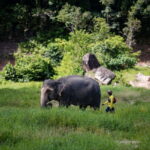
From the information available, the sanctuary is set up to allow elephants to roam freely. Some people on past tours noted elephants moving around a lot and even being active in ways that felt natural for the setting. In other words, this isn’t a narrow, fenced-in “viewing rail” experience.
Step 5: Fruit rice balls (the second feeding moment)
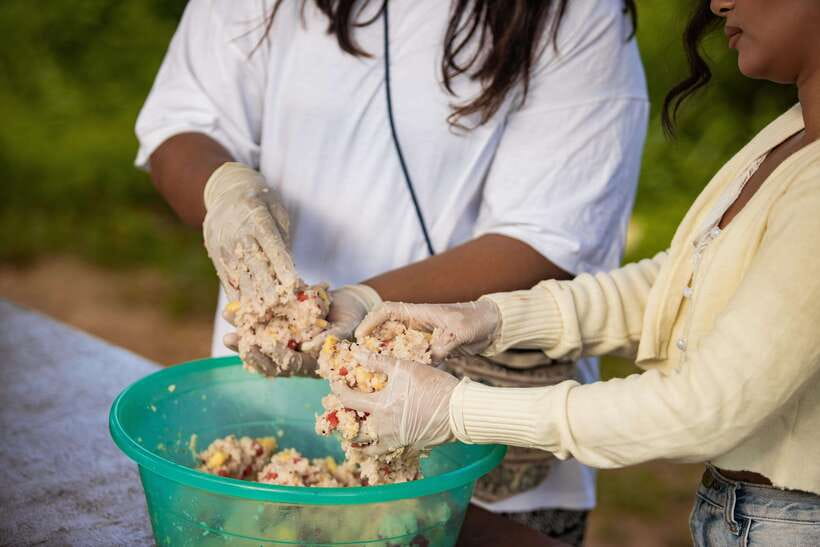
The final feeding portion is making and feeding rice balls mixed with the elephants’ favorite fruits. You don’t just hand over food; you help prepare it, which makes this section feel more involved than the first banana feeding.
Then you feed again—following the staff’s rules—so you get a complete two-part interaction: offer food, watch behavior, and then offer a second kind of food they enjoy.
One extra detail from a booking note: there was a mention that feeding activities might change by March 2026. I don’t know the official update, but it’s smart to check current rules when you book, especially if feeding is the main reason you’re going.
Meet the Elephants Like Animals, Not Attractions

The sanctuary’s biggest selling point is that it’s built around rescue elephants living in a supportive environment. The tour frames their past in terms of exploitation and chains, and it stresses that the aim here is to give the elephants freedom to roam and thrive.
That language can sound serious, and it is. The best parts of this tour come from what you learn while you’re there:
- how elephants use routines for comfort and safety
- how they choose where to stand and how to move
- how the staff interpret behavior to keep everyone safe
Two elephants facts you’ll likely pick up fast: elephants are strong and calm at the same time, and they communicate with body language. If you watch instead of rush, you’ll see that “gentle” doesn’t mean “unaware.” It means they’re not performing for you—they’re living their day.
Also, keep expectations realistic. You’re feeding and walking within the staff’s rules. You’re not getting a ride. You’re not getting bathing. And you’re not freelancing your own elephant interactions.
Some people have also said contact is limited and consent-like—meaning you don’t assume you can touch every elephant. If the staff tells you that an elephant is approachable, you follow their cue. Otherwise, you watch.
Photo Opportunities and the Rules That Protect Everyone
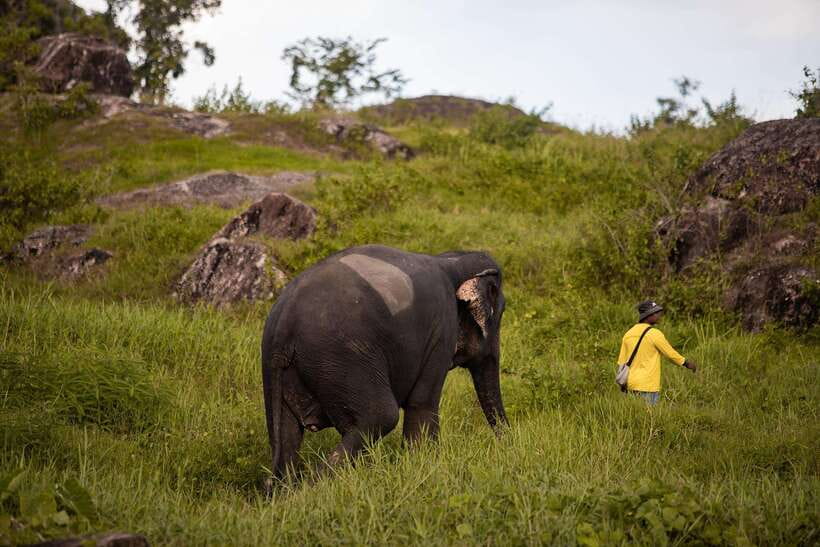
This tour includes photo moments, and you’ll likely take a lot of pictures. The park is described as beautiful, and the elephants can be in really photogenic spots while moving through their space.
But photos come with rules. You must follow:
- no flash photography
- no drones
- no riding animals
- no intoxication or alcohol/drugs
So yes, you’ll take photos—but you’ll do it respectfully. If you’ve ever been on a tour where someone treats wildlife like a backdrop, you’ll appreciate how strict this one is.
What about elephants bathing?
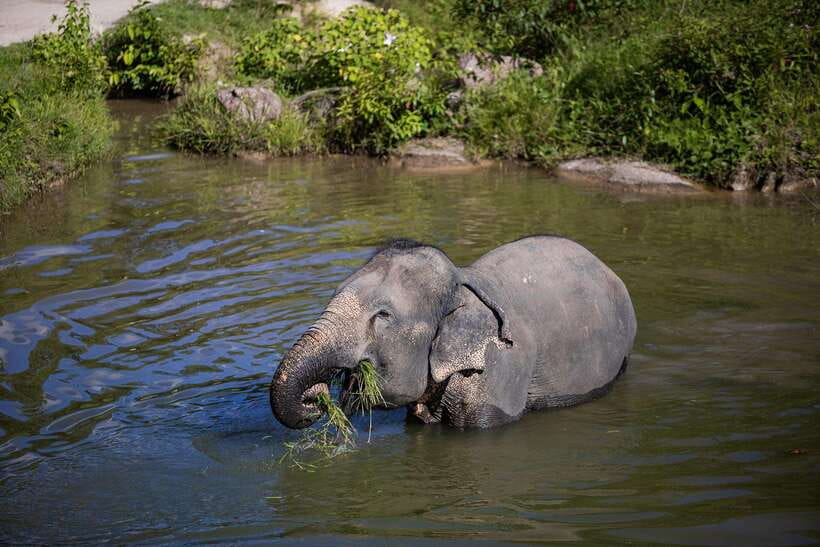
The tour itself doesn’t offer bathing with elephants, and riding/bathing are explicitly not allowed. Still, elephants may do natural behaviors in their own time. So you might witness them doing things like mud or water routines without any human involvement. If it happens while you’re there, great. If it doesn’t, don’t assume the sanctuary is inactive—it’s just the elephants being elephants.
If it rains
Thailand weather can be moody. Some past participants reported receiving rain gear like rain coats and boots, plus umbrellas and optional drinks. That’s not guaranteed on every tour day, but it’s a good sign that the team tries to keep things comfortable.
Price and Value: What $51 Buys You in Phuket
At $51 per person for about 90 minutes, the price isn’t “cheap-cheap.” But it also isn’t trying to be a full-day adventure. You’re paying for:
- a live English guide
- guided time with an ethical sanctuary environment
- banana feeding and preparation of fruit rice balls
- organized transport within a wide pickup area
- the chance to support rescue elephants through your ticket
Is it good value? For me, it comes down to what you want from Phuket.
- If you want a quick activity that teaches you something real and lets you be close to elephants without riding or bathing, this checks the boxes.
- If you want a long, multi-stop outing with multiple attractions, this might feel short—though that’s the point of the schedule.
Also, the reviews show a consistent theme: people feel the money supports elephant protection and care. When a tour is short but focused, your dollars tend to go toward the experience itself instead of padding the day with extra stops.
Logistics That Actually Matter: Pickup Times, Wait Stress, and What to Bring
Because this is a joined van with multiple pickup areas, the only timing guarantee you really get is the window. You’ll find pickup times vary by district, such as:
- Phuket Town / Patong / Karon / Bang Tao / Kamala / Cape Panwa / Koh Sirey areas with multiple windows across morning and early afternoon
- other areas like Chalong and additional piers also have their own windows
So plan like this:
- be ready at the hotel lobby before your window opens
- bring your phone and keep it charged (you’ll likely need coordination if there’s any last-minute delay)
- don’t schedule something “must be finished at 8:10” near pickup time
What to bring
Pack the practical stuff:
- comfortable shoes
- sun hat
- camera
- water
- insect repellent
What not to bring/do
- baby strollers
- drones
- flash photography
- alcohol and drugs
- electric wheelchairs
- riding animals
Language and who it suits
The tour is offered in English. It’s also noted as not suitable for pregnant women. Beyond that, it tends to work well for mixed groups, including families with children old enough to walk comfortably and follow instructions.
A Balanced Take: The Best Parts and the One Thing to Watch
The best parts are easy to spot:
- You get close enough to feel connected to the elephants without crossing into riding or bathing.
- The guided story and behavior explanations turn the feeding into something more meaningful than a quick stunt.
The main thing to watch is the pace and the rules around timing and interaction. This is not a “wander at your own speed” kind of day. If you want maximum freedom, you may feel boxed in. If you prefer clear guidance, it should feel reassuring.
Also, because it’s organized and popular, there can be more people around during the feed moments. The park keeps it managed, but if you’re hoping for zero social energy, adjust your expectations.
Should You Book Bukit Elephant Park’s Sanctuary Walk and Feed Tour?

If you’re in Phuket and want one high-impact wildlife activity that’s short, guided, and focused on elephant welfare, I’d book it. The combination of banana feeding, fruit rice balls, and a sanctuary walk is a strong recipe when you care about doing this the right way.
Book it if:
- you want an ethical elephant experience with no riding and no bathing
- you like guided interpretation (elephant behavior and stories)
- you want a 90-minute activity that fits into a normal vacation day
Skip it (or at least double-check fit) if:
- you need fully flexible timing—this tour runs on pickup windows and expects you to be ready
- bathing/riding are dealbreakers (they’re not part of this experience)
- you’re pregnant (it’s listed as not suitable)
If you go, treat the tour like an animal-care lesson. Watch first. Follow instructions. Feed only when guided. That’s how you get the best experience and keep it respectful for the elephants.
FAQ
How long is the Bukit Elephant Park sanctuary walk and feed tour?
It runs for about 90 minutes, with a guided portion of about 1.5 hours at Bukit Elephant Park.
Is hotel pickup included?
Yes. Pickup is included from multiple areas in Phuket. The tour uses several pickup options and corresponding time windows.
What’s included in the tour price?
You get a live English tour guide, a basket of bananas for the elephants, preparation and feeding of rice balls, time to observe elephants in their habitat, and photo opportunities.
Can I ride or bathe the elephants?
No. Elephant riding is not included, and bathing with elephants is not offered. The rules also specify no hurt/no riding/no bathing.
Are flash photos and drones allowed?
No. Flash photography and drones are not allowed during the experience.
What should I bring with me?
Bring comfortable shoes, a sun hat, a camera, water, and insect repellent.
Who should avoid this tour?
It’s listed as not suitable for pregnant women.