REVIEW · PHUKET
Unique Thai Cooking Experience in Patong with Chef Care
Book on Viator →Operated by Care · Bookable on Viator
Four dishes, one great morning in Patong. This intimate Thai cooking class with Chef Care pairs a guided local market walk with hands-on cooking in a studio that’s set up for small groups. If you want more than a demo—if you want to actually understand spices, herbs, and timing—this is an easy pick.
I especially like the chance to cook real Thai classics rather than a watered-down “tour” version, and the class format keeps things personal (max 4 students). One thing to consider: you’ll be eating a lot, so come with an empty belly—a few people even wished they hadn’t had breakfast.
In This Review
- Key highlights to know before you go
- Small-group Thai cooking in Patong with Chef Care
- The Patong market tour: ingredients, tastes, and spice reality checks
- Welcome drink and studio setup: where Thai cooking clicks
- What you’ll cook: 4 Thai classics (and what to watch for)
- Tom Yum Goong (spicy Thai herbs soup)
- Gang Massaman Ghai (Massaman curry with chicken)
- Pad Thai Goong (stir-fried rice noodles with shrimp)
- Khao Neaw Ma Muang (Mango with sticky rice)
- Spice level and personal touches that make it feel like your class
- The souvenir Thai cooking set: turning a class into future meals
- Value and price: what $81.49 gets you in real terms
- Where it fits on your Phuket itinerary
- Should you book Chef Care’s Thai cooking class in Patong?
- FAQ
- What dishes do you cook in the class?
- How long does the experience last?
- Is there a market stop before cooking?
- What happens when you arrive at the studio?
- Can the class handle allergies or dietary restrictions?
- How big is the group?
- Is transportation included?
- Do you get anything to take home?
- Is there free cancellation?
Key highlights to know before you go
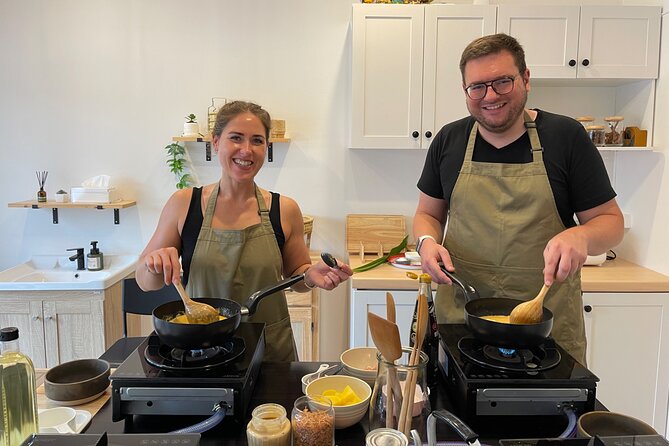
- Chef Care runs a small-group class with a max of 4 students, so you get attention and space at your station
- Market time is part of the lesson: you shop for ingredients and taste Thai fruit, dessert, and snacks
- Four specific dishes in one session: Tom Yum Goong, Massaman Ghai, Pad Thai Goong, and Mango sticky rice
- You handle the cooking and can adjust flavor intensity, including spice level
- Allergies and dietary needs are supported with separate preparations when needed
- You take home a souvenir cooking set including herbal curry paste and seasoning
Small-group Thai cooking in Patong with Chef Care
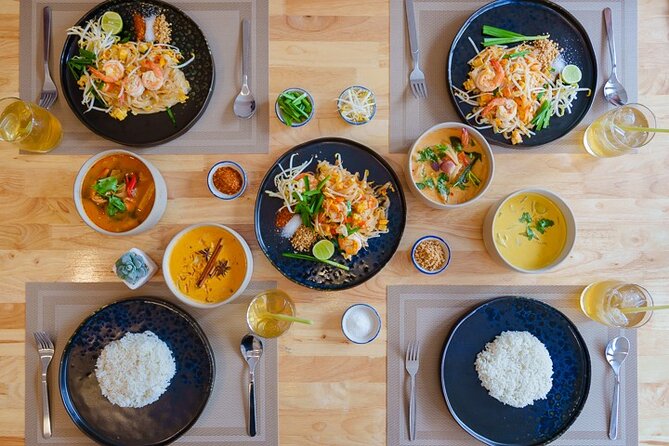
Patong can be busy. This experience is the opposite vibe: a calm studio, a short transfer (free within Patong), and a class size that stays human. Chef Care leads the whole flow—from the first stop at the fresh market to the moment you plate and taste your own food.
The “private group” angle matters. When you’re not sharing the class with a full crowd, you don’t spend your time squeezing around other people, guessing what you missed, or waiting for answers. With up to 4 students, you’re more likely to get hands-on guidance at the exact moment you need it: how much paste goes in, when to add herbs, what texture you’re aiming for, and how Thai flavors build.
I also like the way the class feels welcoming. Multiple write-ups describe Chef Care as friendly and at-ease, like you’re learning with a host who wants you to succeed. The studio itself gets called out as clean and cozy, which sounds basic—but in a cooking class, it’s a big deal for confidence and comfort.
Who this fits best: food lovers who want real technique, people who learn by doing (not just watching), couples, and families who want a shared activity that still feels educational. If you’re in Phuket for beaches and night markets but want one day that’s grounded in actual cooking, this works.
You can also read our reviews of more cooking classes in Phuket
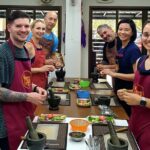
The Patong market tour: ingredients, tastes, and spice reality checks
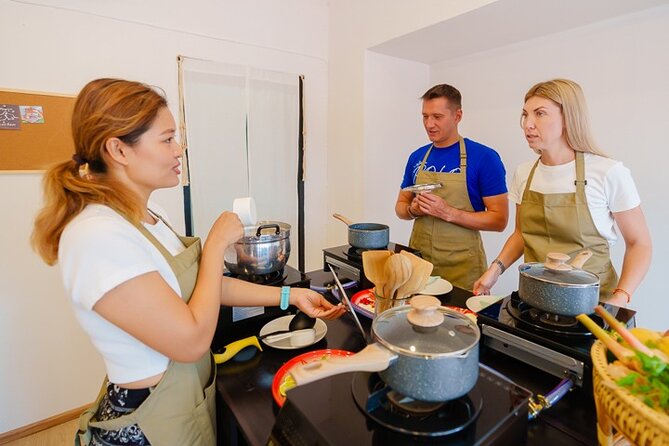
The class starts with a local fresh market tour to shop for ingredients. That’s not just for atmosphere. It changes how you cook later, because you see what Thai cooks actually buy—fresh herbs, aromatics, and the spice pieces that make the dishes smell right.
You’ll taste along the way, including Thai fruit plus dessert and snacks. That matters because Thai flavors aren’t just “spicy.” They’re sweet, sour, salty, herbal, and fragrant, often all in the same dish. Tasting helps you calibrate your palate before you start cooking.
One smart part of this setup is that you’re not only buying ingredients; you’re also getting an ingredient walkthrough. At the studio, Chef Care introduces the main components (vegetables, spices, and herbs) that you’ll use in the four dishes. When you’ve already seen those ingredients in real life, the lesson sticks faster.
A small practical note: markets are sensory overload—lots of smells and sights—so plan to go slow. Take in what Chef Care points out, and don’t be shy about asking what something is. If you’re the type who likes knowing the “why,” this market time is where you’ll feel most in control later.
Potential drawback: if you’re staying close to Patong, great. If you’re farther out, you may want to confirm transport timing since the free transfer is listed for the Patong area only.
Welcome drink and studio setup: where Thai cooking clicks
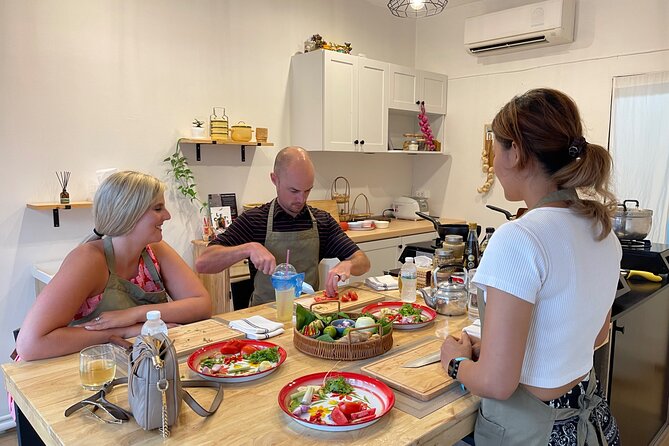
After the market, you head back to the cooking studio. You’ll be served a welcome drink: lemongrass tea with honey. It’s a small touch, but it’s useful, too. Lemongrass tones the palate and helps reset you from market chaos, before you start chopping.
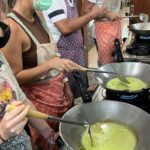
Then comes the studio orientation: Chef Care introduces key ingredients so you understand what you’re handling, not just what step you’re doing next. You’ll prepare and cook four different authentic Thai dishes, and the class is organized so each person gets a work station and a clear path through the process.
Clean, well-run studios make a difference in cooking classes. One recurring theme from the experience write-ups is that the studio is tidy and easy to move around in, and that Chef Care’s instructions are step-by-step and clear. In practice, that means you’re less likely to end up with “mystery meals” that look right but taste off.
Also, Chef Care can adapt menus based on what you want to learn. If there’s a specific Thai dish you’d like, you can tell her in advance so she can arrange for you.
What you’ll cook: 4 Thai classics (and what to watch for)
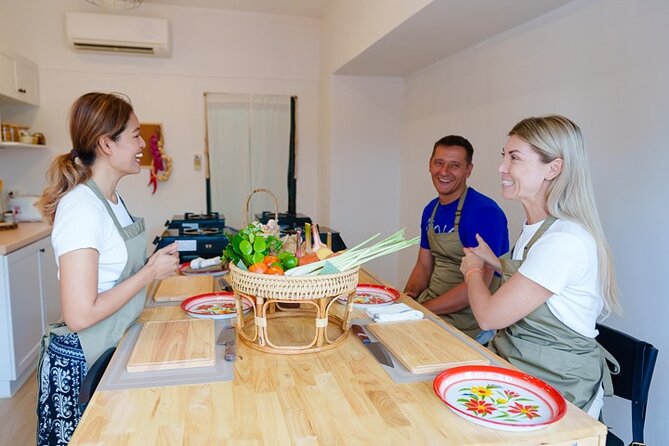
This is the heart of the experience: you cook all four dishes and get to eat what you make. The menu stays focused, which is a nice change from classes that cover ten things but teach none of them well.
Tom Yum Goong (spicy Thai herbs soup)
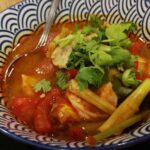
Tom Yum Goong is where Thai cooking shows off its balance. It’s aromatic, tangy, and herb-forward, with a spicy kick. In class, you’ll learn the ingredient flow—how the flavors build rather than just dump heat into a pot.
Watch for this: the goal isn’t just “hot.” It’s sour + fragrant + savory. When you get the timing right, the herbs taste fresh instead of dull. This is also a dish where you’ll understand why fresh herbs matter.





Gang Massaman Ghai (Massaman curry with chicken)
Massaman curry is different from the sharp heat you might associate with Thai curries. It’s deeper, richer, and often slightly sweet-spiced.
Chef Care’s ingredient approach helps here. You’ll be taught what’s in your curry components and how they work together. When you cook it yourself, you stop thinking of curry as one sauce and start seeing it as layers of aromatics and spices.
If you’ve ever found Massaman at a restaurant but wondered why yours tastes less “wow,” this is the dish that usually fixes that mystery.
Pad Thai Goong (stir-fried rice noodles with shrimp)
Pad Thai can be tricky even for confident home cooks because noodles and sauce need timing. In this class setup, you’re guided through the process so you can avoid the most common issues: noodles turning sticky, sauce tasting flat, or flavors feeling out of sync.
Also, pay attention to seasoning and texture. Pad Thai should taste balanced—sweet, salty, and a little tangy—while still feeling pleasantly springy in the noodles.
Khao Neaw Ma Muang (Mango with sticky rice)
Dessert is not an afterthought here. Mango sticky rice is sweet and comforting, and it closes the meal on a bright note.
This is also where you might feel extra motivated, because sticky rice is one of those dishes where technique is everything. Get it right and the whole dessert makes sense.
A practical tip: plan to save a few bites mentally for later because you’ll be hungry again right after class ends. People sometimes also mention taking portions away, like additional mango sticky rice.
Spice level and personal touches that make it feel like your class
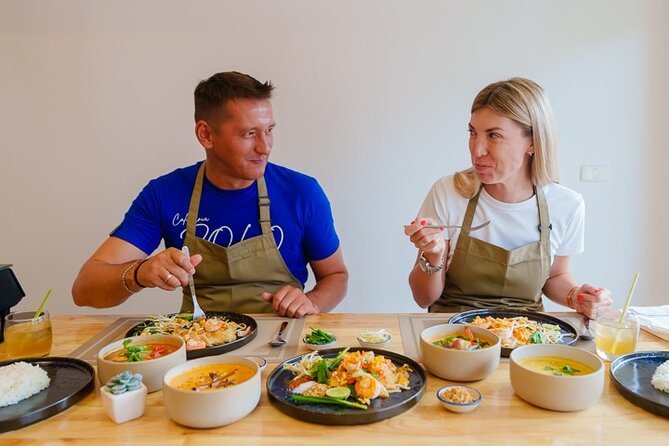
One of the most practical wins of a small-group class is the ability to tailor the results. Multiple experiences describe cooking with the option to customize spice level, which is huge if your group has mixed preferences.
It also matters if you have dietary restrictions. The course explicitly states that dietary restrictions can be catered for, and that allergies should be shared ahead of time so Chef Care prepares a separate set. In real life, that changes everything: separate components, adjusted recipe steps, and less anxiety while you cook.
In a destination like Phuket, where eating out is a daily adventure, having someone help you do Thai food safely is priceless. If shellfish or other allergens are in the mix, this is the kind of class you’ll feel comfortable choosing.
And yes, there are nice human touches. One write-up mentioned anniversary decor and small surprises, which tells me Chef Care cares about the occasion, not just the schedule.
The souvenir Thai cooking set: turning a class into future meals
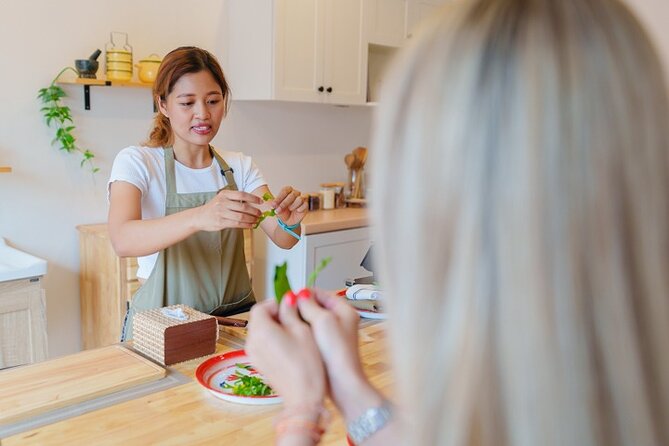
This isn’t only a “eat and forget” experience. At the end, you get a Thai cooking set souvenir that includes herbal curry paste and seasoning. That’s a big value add because it gives you a starting point when you recreate the dishes later.
Why that matters: Thai cooking at home often fails because people don’t have the right ingredients. A curry paste or seasoning packet helps bridge that gap. It also makes the class more than one meal—it gives you ingredients you can use again without hunting for every component.
Even better, the class teaches you how the pieces fit. So when you use the paste at home, you’re not just following vague instructions. You understand what the paste is meant to do in the dish.
Value and price: what $81.49 gets you in real terms
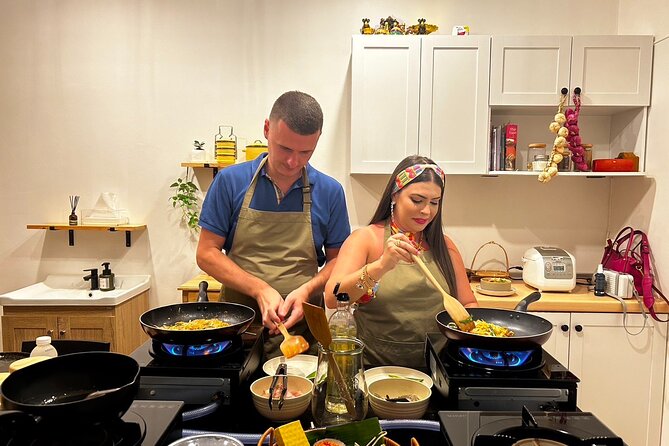
At about $81.49 per person for an approximately 4-hour experience, you’re paying for more than a recipe card. You’re paying for:
- a guided market tour where you taste and select ingredients
- hands-on coaching while you cook four complete dishes
- a small-group setup that keeps you from feeling lost
- allergy/diet support with separate preparations when needed
- a take-home cooking set (herbal curry paste and seasoning)
When you compare this to the cost of doing market shopping plus a meal out, you still come out ahead for people who want technique. If you’re the type who likes learning and then cooking again at home, this class gives you the “why” behind flavor—not just the “what.”
If you want a purely budget option, you might choose a cheaper group class or a cooking demo. But for many people, paying a bit more for a smaller group and real personal guidance is exactly where the value lands.
Where it fits on your Phuket itinerary
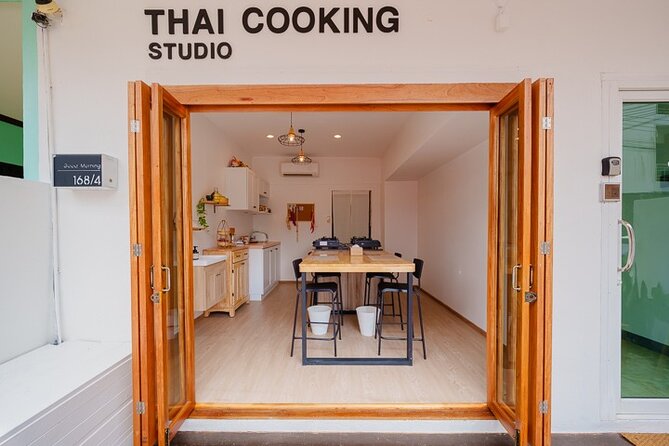
This is a morning activity in Patong (the meeting point lists a morning start). That’s useful if you want to do something productive early, then spend the rest of the day on the beach, Old Phuket Town, or a sunset viewpoint.
You should also consider meal timing. Since you’re tasting at the market and cooking four dishes, you’ll likely feel full afterward. Bring an empty stomach mindset. If you’ve already eaten breakfast, cut your expectations for how much you’ll taste comfortably during cooking.
Also, the class ends back at the meeting point. If you’re planning a second activity immediately after, give yourself a little buffer for a taxi ride back and a slow walk off the spice.
Should you book Chef Care’s Thai cooking class in Patong?
Book it if:
- you want a small-group Thai cooking class where you cook the food, not just watch
- you love the idea of starting with a fresh market and learning ingredients first
- you need help with allergies or dietary restrictions
- you want a take-home Thai cooking set so you can cook again at home
Consider skipping it if:
- you prefer large-group, sightseeing-style tours and don’t care about hands-on cooking
- you’re staying far from Patong and you don’t want to handle transport costs beyond the free transfer zone
- you hate markets or you’re planning to be out late the night before and might find the morning start tough
If you’re searching for one Phuket activity that feels grounded, practical, and genuinely useful after you go home, this class is a strong bet.
FAQ
What dishes do you cook in the class?
You’ll cook four dishes: Tom Yum Goong (spicy herb soup with shrimp), Gang Massaman Ghai (Massaman curry with chicken), Pad Thai Goong (stir-fried rice noodles with shrimp), and Khaow Neaw Ma Muang (mango with sticky rice).
How long does the experience last?
The cooking experience is listed as about 4 hours.
Is there a market stop before cooking?
Yes. You start with a local fresh market tour to shop for ingredients and taste items like Thai fruit, dessert, and snacks, then you return to the cooking studio.
What happens when you arrive at the studio?
You’re served a welcome drink (lemongrass tea with honey), then Chef Care introduces the main ingredients (vegetables, spices, and herbs) before you begin cooking.
Can the class handle allergies or dietary restrictions?
Yes. Dietary restrictions can be catered for if you let Chef Care know, and allergies are handled by preparing a separate set.
How big is the group?
The class is small. It’s described as max 4 students, and the activity lists a maximum of 5 travelers.
Is transportation included?
Free transfer is available in the Patong area.
Do you get anything to take home?
Yes. You receive a Thai cooking set souvenir, including herbal curry paste and seasoning.
Is there free cancellation?
Cancellation is free. You can cancel up to 24 hours in advance for a full refund.