REVIEW · PHUKET
Express Thai Cooking Class in Phuket
Book on Viator →Operated by Oh-Hoo · Bookable on Viator
Three Thai dishes, ninety minutes, zero fuss. That’s the charm of this small-group Phuket class: you learn three classic dishes and actually cook them, not just watch a demo. You also get a take-home recipe book that turns the lesson into something you can repeat later.
I particularly like the pace. It’s built for people who are hungry, not people who want to spend half a day “getting inspired.” You’ll be taught quick, practical basics like how to use herbs and sauces properly, so the flavors make sense even if you are new to Thai cooking.
One thing to consider is the fixed menu. It’s designed around three dishes (green curry, tom kha gai, tom yum goong), so you should not expect substitutions or a big range of choices. And one low rating described disappointment with portions and soup texture, which is a reminder to go in knowing what you’re signing up for.
In This Review
- Key Highlights You’ll Care About
- Where You Cook: Pum Thai Food Chain School in Patong
- 90-Minute Thai Cooking Rhythm: Schedule and Pace
- Green Curry, Tom Kha Gai, and Tom Yum Goong: The Three-Dish Plan
- Green Curry: Sauce Skills in a Single Lesson
- Tom Kha Gai: Comfort with Flavor Balance
- Tom Yum Goong: Bright and Fast
- The Banquet Moment: Eating What You Make
- Price and Value: What $59.25 Buys You in Phuket
- Transfers, Pickup, and How to Avoid Sticker Shock
- Small Group Size and English Instructions: Why That Matters
- What the Experience Teaches You Beyond Recipes
- One Possible Letdown: Fixed Dishes and Portion Expectations
- Who Should Book This Class (and Who Might Skip)
- Tips to Make Your 90 Minutes Go Smoothly
- Should You Book Express Thai Cooking Class in Phuket?
- FAQ
- What dishes will I learn to cook?
- How long is the cooking class?
- Is hotel pickup included?
- What is included in the price?
- Where does the class start?
- What class size should I expect?
- What if the weather is bad or the class can’t run?
Key Highlights You’ll Care About
- Three-dish focus: Green Curry, Tom Kha Gai, Tom Yum Goong
- Small class size: up to 8–10 people for more attention
- Recipe book included: easy-to-follow Thai recipes to take home
- All ingredients included: plus bottled water, tea, and coffee
- English instructions: available during the class
- Pickup/transfer options: offered, but extra fees vary by area
Where You Cook: Pum Thai Food Chain School in Patong
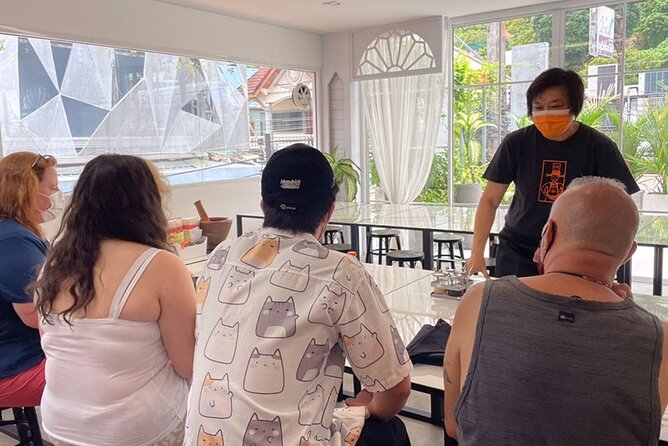
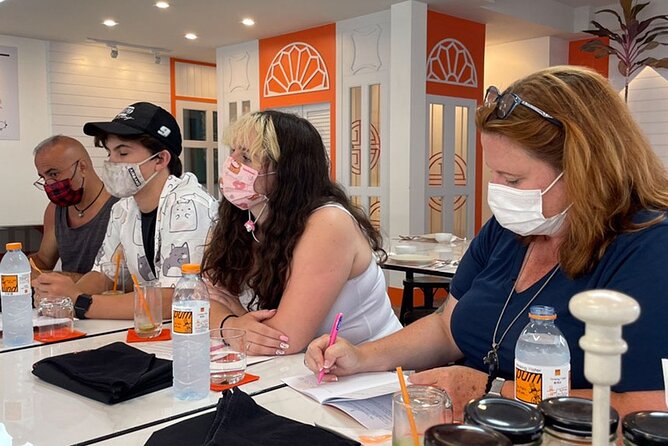
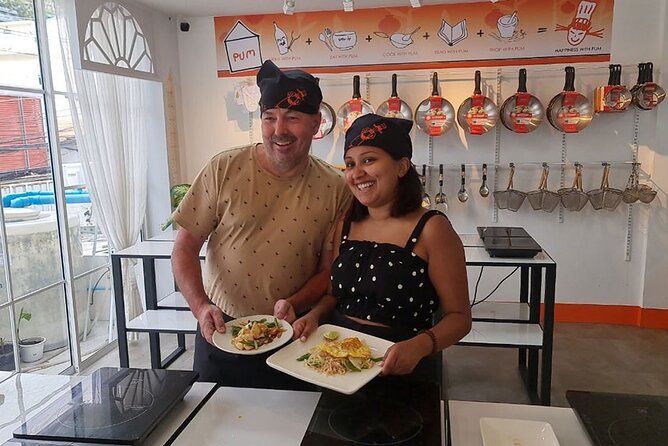
The class meets at Pum Thai Restaurant and Cooking School in Patong. This is a real cooking-school setup, not a restaurant table with a saucepan borrowed from somewhere else.
The location is listed as near public transportation, which matters in Phuket. If you’re staying in Patong, you’ll usually find it easier to get there without turning the whole afternoon into a taxi-and-waiting game. If you’re elsewhere, transfers are available but depend on your pickup zone and can add to the final cost.
Also, the meeting point is clearly set: the experience ends back where it starts. That means no mystery drop-off locations and no worrying about getting back in the dark.
You can also read our reviews of more cooking classes in Phuket
90-Minute Thai Cooking Rhythm: Schedule and Pace
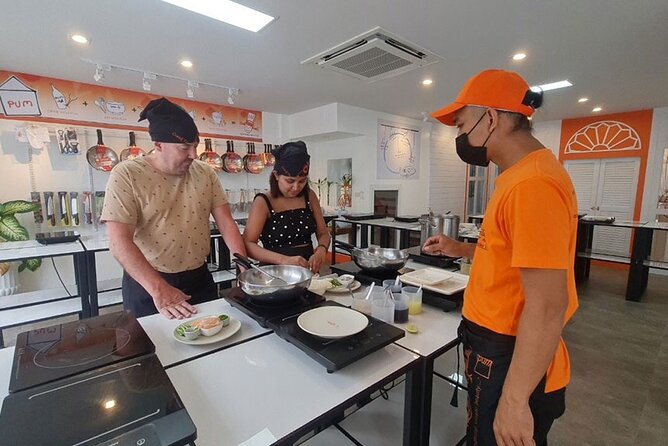
This is an express class. Expect about 1 hour 30 minutes, and plan your day around that short window.
Classes run three times daily: 11:00am, 4:00pm, and 6:00pm. If you like a plan you can actually keep, this schedule helps. It’s also convenient if you’re doing beach time in the morning and want something indoor to break up the day.
The tone is gently “short and sweet.” You learn the essentials of Thai cuisine—flavors, ingredients, technique, and passion—without a long lecture. That’s why it works for impatient cooks: you get instructions, you cook, you taste, you move on.
Green Curry, Tom Kha Gai, and Tom Yum Goong: The Three-Dish Plan
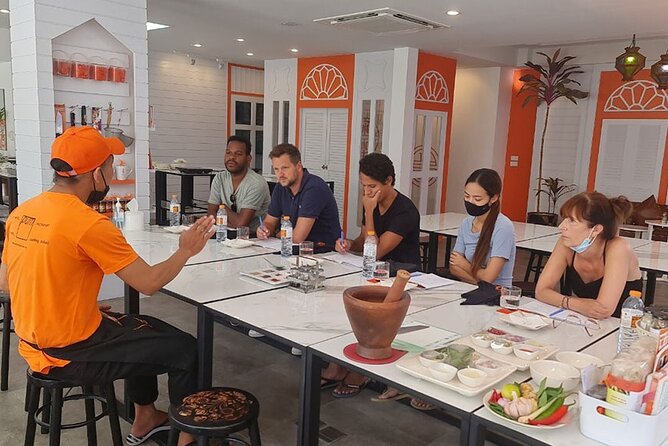
The class centers on three classics: Green Curry, Tom Kha Gai, and Tom Yum Goong. It’s a smart mix because it teaches you different flavor balances rather than repeating one cooking style.
You’ll likely spend most of your time learning how to combine ingredients and manage the sauce side of Thai cooking. The class description specifically mentions tricks of the trade and using herbs and sauce properly. In practice, that usually means getting the timing right and understanding when flavor layers should build.
Green Curry: Sauce Skills in a Single Lesson
Green curry is often the dish people associate with Thai cooking style: aromatic, punchy, and sauce-driven. In this class, it’s treated as a core technique lesson, not just a recipe you follow blindly.
You’ll get guidance that makes the cooking feel doable. Even if you’re not confident with Thai ingredients, the goal here is to make cooking simple and repeatable later. The quick format is also helpful: you learn one method and apply it rather than switching topics every five minutes.
Tom Kha Gai: Comfort with Flavor Balance
Tom kha gai is a coconut-milk–style soup experience (the class names it directly, and you’ll learn how to make it in your session). What’s valuable in a cooking class like this is not just the final taste—it’s learning how herbs and seasoning behave in a soup.
The class emphasizes making Thai food approachable. That usually translates to clear steps, ingredient handling, and knowing what to look for while it cooks. If you’ve been intimidated by soups, this dish is a good way to demystify them quickly.
You can also read our reviews of more tours and experiences in Phuket

Tom Yum Goong: Bright and Fast
Tom yum goong is all about brightness and that classic Thai soup character. In a short class, that kind of dish teaches you how to work with flavor quickly, rather than cooking forever and hoping it turns out.
One practical benefit: when your lesson includes both a creamy soup (tom kha gai) and a sharper one (tom yum goong), you learn how Thai flavor styles differ. That’s what makes the class useful beyond the three meals.
The Banquet Moment: Eating What You Make
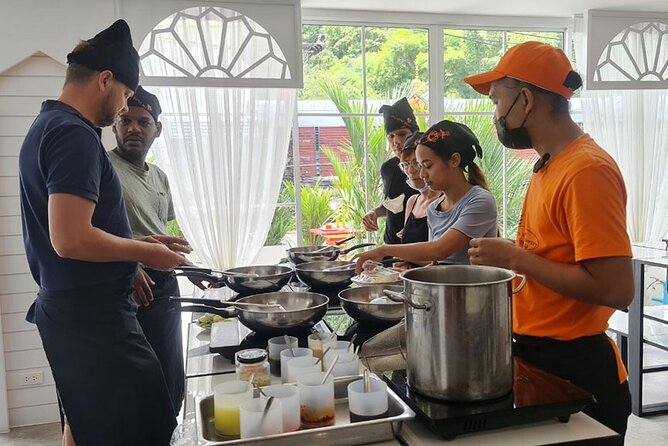
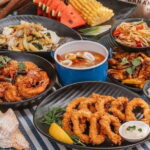
After the cooking, you enjoy a handmade banquet with your classmates. This isn’t just a “take a bite and leave” situation. The class is structured so you cook, then share the results.
That communal eating part is where you can spot what you nailed and what you’d adjust next time. If you’re the type who learns best by tasting, this section helps a lot. If you’re not great at Thai spice levels, you’ll still get a chance to see the flavors and decide how you’d modify them at home.
This is also where small-group format pays off. With up to 10 people, you’re more likely to get help if something needs fixing mid-cook.
Price and Value: What $59.25 Buys You in Phuket
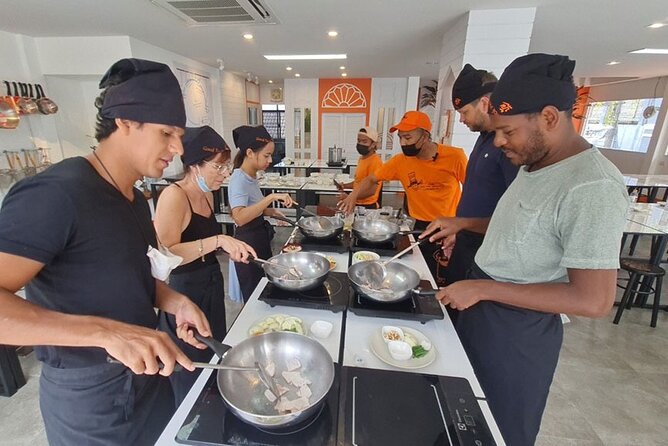
At $59.25 per person, this class sits in the “worth it if you like hands-on lessons” category. The value comes from what’s included, not just the cooking.
You get:
- A recipe book
- All ingredients for cooking
- Bottled water, plus tea and coffee
Those items matter. Cooking classes that sell themselves on “spirit” but don’t include ingredients often get expensive once you add purchases. Here, the base price already covers the work. You’re paying for the instruction and the setup to cook three dishes properly in a short time.
One more cost reality: pickup and transfers can add. The info lists one-way and roundtrip transfer fees that vary by area (for example, Patong and Kalim have their own rate, and areas like Rawai or the airport zone cost more). So if you’re trying to judge value, add the transfer cost to the headline price.
If you’re staying near Patong, the overall value tends to look better. If you’re farther out, it can still be a good deal, but your final number will depend on whether you use the included—or paid—ride.
Transfers, Pickup, and How to Avoid Sticker Shock
The class offers pickup, and transfers from Patong and other areas are available for an extra fee. The rate changes by pickup zone, so it’s smart to check your exact area before you commit.
This is worth planning because Phuket traffic can be unpredictable, and you don’t want a class start time to turn into a stressful scramble. If you’re not sure about pickup, you can also think about going on your own. The meeting point is near public transportation, so you might be able to skip the transfer if that fits your schedule and comfort level.
Also note: the experience ends back at the meeting point. That can make logistics simpler because your return plan is basically solved once you know whether you’re using a ride.
Small Group Size and English Instructions: Why That Matters
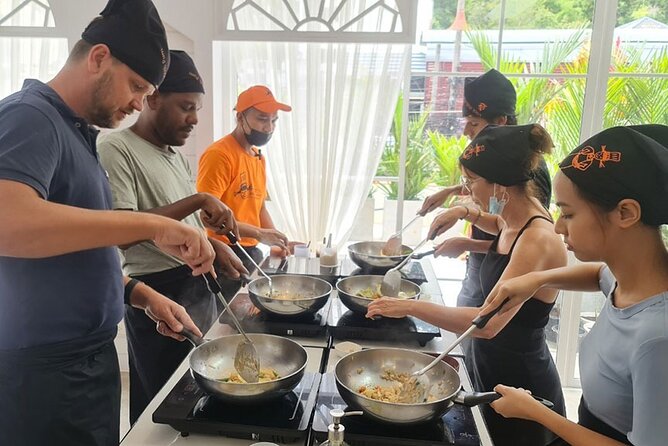
This is limited to a maximum of 10 travelers, with classes described as small and intimate (often 8–10). In a cooking class, that changes the experience fast.
More people means less personal guidance when a step goes sideways. With a smaller class, you’re more likely to ask questions and get answers while you’re holding a spoon. It’s also easier for the instructor to spot issues like seasoning balance or sauce texture while there’s still time to fix it.
English instructions are available, which is a big deal for kitchen clarity. Thai cooking can involve ingredients that sound unfamiliar. When the steps and “what to watch for” are explained clearly in English, you’re much more likely to remember what happened and why.
One high-star review praised the class staff as helpful and nice, and said the food was some of the best Thai they’d had in two weeks traveling. I treat that as a signal that the atmosphere and instruction quality tend to be strong, not just the finished dishes.
What the Experience Teaches You Beyond Recipes
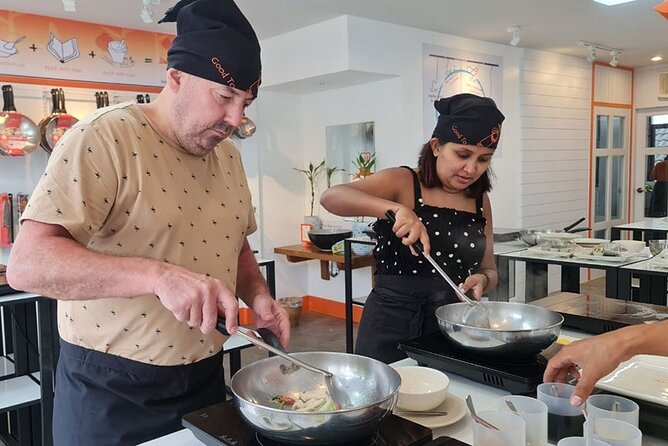
Yes, you get three recipes. But the bigger value is learning the logic behind Thai flavors in a way that doesn’t require hours of practice.
The class specifically highlights technique and the “tricks of the trade” to make cooking simple. The biggest payoff you should look for is the ability to walk into your kitchen later and know what adjustment to make when something tastes off—like when sauce needs balancing or herbs need handling.
That’s what turns recipes into skills. If you come in expecting a magic shortcut, you might be disappointed. If you come in wanting a framework you can reuse, this class format is a strong fit.
One Possible Letdown: Fixed Dishes and Portion Expectations
A 1 out of 5 review called the experience disappointing and said the class had no choice in the menu, with three dishes presented on arrival. They also described soups that felt watery and meals with barely any meat.
Here’s how I’d use that information without assuming it’s your outcome: the class is designed around the three named dishes. So if you’re hoping for a buffet-style selection or protein-heavy customization, this is not that kind of class.
Also keep in mind a short cooking session naturally means you’ll eat what you can produce quickly. Some people interpret that as smaller portions. If you have a big appetite, consider making this your meal, not your appetizer.
Who Should Book This Class (and Who Might Skip)
This class is ideal if you:
- Want a quick, structured introduction to Thai cooking
- Prefer hands-on lessons over watching
- Like learning flavor logic, not just memorizing steps
- Are staying near Patong and want an easy, timed activity
It may not be ideal if you:
- Want a long menu or substitutions (this is a three-dish focus)
- Expect huge portions or meat-forward dishes
- Get cranky when you have to follow a set lesson plan (the class is built for people who are hungry and impatient, but it’s still a class plan)
If you like small-group settings, you’ll probably appreciate the attention. If you want a guided meal with a social vibe, the handmade banquet helps.
For families: there’s a child ticket age range of 6–11 years. The child shares the cooking station with their parents, which can work well if your group is comfortable cooking together.
Tips to Make Your 90 Minutes Go Smoothly
A short cooking class rewards preparation. Here are a few practical moves that help you get more from the time you pay for.
Arrive a bit early so you can settle in and start tasting when it’s time. Bring your attention to the sauces and herbs. The class promises tips on using them properly, and that’s where most beginners get tripped up.
Take quick notes on what you’re doing while it’s happening. You don’t need a cookbook in your hand; even a few bullet points about steps and timing will help you replicate the dish later using the recipe book.
If you’re sensitive to spice or want to keep things mild, treat your first tasting as feedback. Adjust in your mind for later at home, because this class is built around the standard three-dish lesson.
Should You Book Express Thai Cooking Class in Phuket?
I’d book it if you want a fast, friendly, small-group way to learn real Thai cooking fundamentals. The included recipe book and all ingredients are big value anchors, and the three-dish structure is easy to commit to when your Phuket schedule is busy.
It’s also a good match if you like the idea of leaving with both knowledge and a meal. The handmade banquet turns the class into an experience, not just a ticket.
I’d hesitate if you need lots of menu choice or you’re expecting a meat-heavy, customize-everything kind of meal. The fixed three-dish plan is the whole point, and one review pointed directly at that mismatch.
If your goal is to learn how to cook green curry, tom kha gai, and tom yum goong in a way you can repeat, this class is built for that.
FAQ
What dishes will I learn to cook?
The class focuses on three Thai dishes: Green Curry, Tom Kha Gai, and Tom Yum Goong.
How long is the cooking class?
It runs for about 1 hour 30 minutes.
Is hotel pickup included?
Pickup is offered, but transfers from different areas cost extra. The amount depends on where you’re picked up from.
What is included in the price?
You get a recipe book, all ingredients for cooking, bottled water, and tea and coffee. English instructions are available.
Where does the class start?
The meeting point is Pum Thai Restaurant & Cooking School in Patong, at 17 111 Phra Phuket Kaeo Rd, Tambon Kathu, Amphoe Kathu, Chang Wat Phuket 83120, Thailand.
What class size should I expect?
The experience has a maximum of 10 travelers, and the description notes small, intimate classes of up to 8–10 people.
What if the weather is bad or the class can’t run?
The experience requires good weather. If it’s canceled due to poor weather, you’ll be offered a different date or a full refund. There is also a minimum number of travelers requirement; if not met, you’ll be offered an alternative date/experience or a full refund.