REVIEW · PHUKET
Phuket Elephant Nature Reserve Ethical Sanctuary
Book on Viator →Operated by Phuket Elephant Nature Reserve · Bookable on Viator
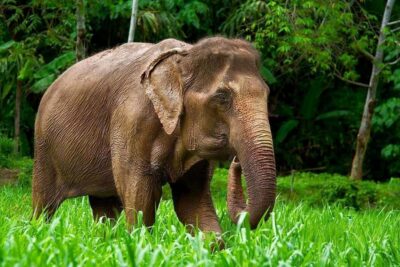
A day with elephants should feel calm, not like a show. This one does: you watch elephants roam freely, learn how their care works, and get hands-on teaching moments like making vitamin balls—without riding, bathing, or close contact. I especially like the focus on ethics and education, and the way the program mixes animal care lessons with real Thai food. One thing to consider: it’s outdoors, often hot and humid, so you’ll want gear for the sun and walking.
Phuket Elephant Nature Reserve is an award-winning sanctuary that keeps wellbeing ahead of entertainment. You’ll get clear rules (no touching, no bathing, and no hand feeding), yet you still see elephants up close enough for great photos and memorable sightings at the jungle areas and water ponds. When guides explain what you’re seeing, the “why” clicks fast.
If you want maximum comfort, plan for the heat and bring what you can manage. Some parts can feel time-limited by weather, and transport isn’t included, so you’ll also want to think about how you’ll get there and back.
In This Review
- Key things that make this experience work
- Why this Phuket elephant reserve feels different: ethical rules you can actually see
- Value check on the $39.11 price: what’s included in the real-world cost
- Your half-day schedule: cooking first, then jungle observation and dung-recycling lessons
- First stop: Phuket Elephant Nature Reserve with intro and elephant feeding prep
- Observation time: natural water ponds and features
- Elephant dung recycling center and vitamin balls
- Thai cooking class demo and lunch
- Feeding vitamin balls the right way with mahouts (without touching)
- The dung recycling center: the most “real care” lesson you’ll take home
- Guide impact: why Tom, Steve, and Dong get mentioned so often
- What to wear and bring for the humid Phuket reality
- Who this half-day elephant experience is best for
- Should you book Phuket Elephant Nature Reserve Ethical Sanctuary?
- FAQ
- How long is the Phuket Elephant Nature Reserve half-day experience?
- What’s included in the half-day program?
- Are touching, bathing, or hand feeding allowed?
- Is Thai lunch included?
- Do I need to bring a water bottle?
- What should I wear or bring?
- Is transport provided?
- How do I get my tickets?
- Is there a cancellation option?
Key things that make this experience work
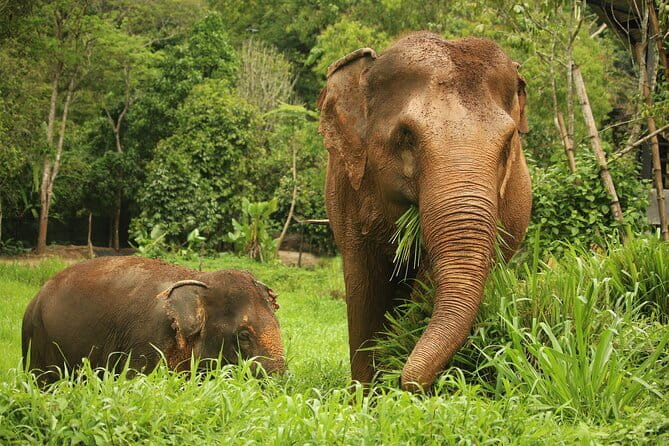
- Hands-off elephant time: you observe and help with food prep without touching or hand feeding
- Vitamin balls with the mahouts: you make snacks, and the elephant handlers guide the process
- Elephant dung recycling center: you learn how waste is handled as part of care
- Jungle + watering-hole viewing: you’re not stuck staring at a single spot
- Thai cooking demo and lunch: a useful culture add-on that’s part of the same half-day
- Guides who teach while you watch: guides like Tom, Steve, and Dong are called out for great explanation
Why this Phuket elephant reserve feels different: ethical rules you can actually see
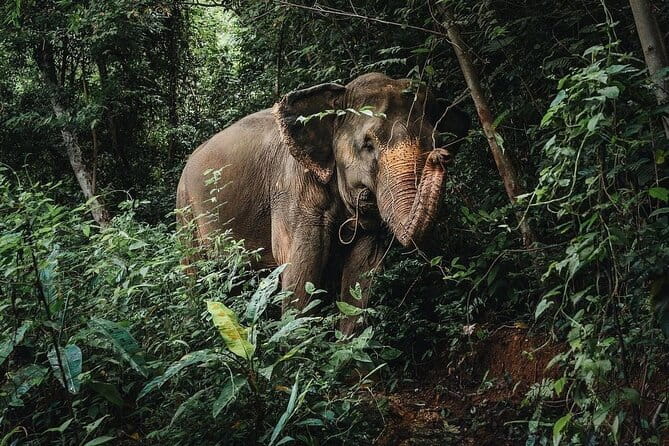
A lot of elephant tours sell the word ethical, then quietly break the spirit of it. Here, the rules are straightforward and enforced: no riding, no bathing, no touching, and no hand feeding.
That matters because it changes what the elephants get. They’re not performing. They’re moving through their natural space with their routine, and you’re there to observe. The elephant handlers (mahouts) support care behind the scenes, and your role is focused on guided interaction that doesn’t require physical contact.
The vibe stays gentle. Even when you’re close enough to spot details—like how they use their ears, trunks, and paths through the greenery—the experience stays calm and respectful. It’s the kind of place where you can feel the difference between a sanctuary and a theme park.
You can also read our reviews of more tours and experiences in Phuket.



Value check on the $39.11 price: what’s included in the real-world cost
At around $39.11 per person, this is one of those deals that feels more “solid” than “cheap.” The big reason is what’s bundled.
From the inclusions list, you get:
- a Thai cooking class demo and lunch (half-day program)
- hands-off meet-and-feed with elephants (making food, then feeding is handled in a controlled, non-contact way)
- jungle nature observation
- elephant dung recycling center (half-day only)
- making vitamin balls (half-day only)
- water
- a tour guide plus insurance
What’s not included is also worth noting: transport, and a few comfort basics like comfortable shoes and a hat/sunglasses. If you’re already paying for transfers and snacks elsewhere, having lunch and water included starts to make the price feel even more fair.
Also, this isn’t a long “bus and brochure” day. The whole program runs about 3 hours 30 minutes (approx.), and many people find the elephant viewing stretch feels tight and efficient because the time is structured.
Your half-day schedule: cooking first, then jungle observation and dung-recycling lessons
The program flows in a way that keeps you busy without wasting time.
First stop: Phuket Elephant Nature Reserve with intro and elephant feeding prep
You start with a briefing and introduction. This is where the sanctuary’s approach becomes clear. After that, you’ll prepare elephant food and then move into elephant observation in the jungle areas.
This part matters because it sets expectations. You’re not just watching; you’re learning what “care” looks like when the elephants’ needs come first.
Observation time: natural water ponds and features
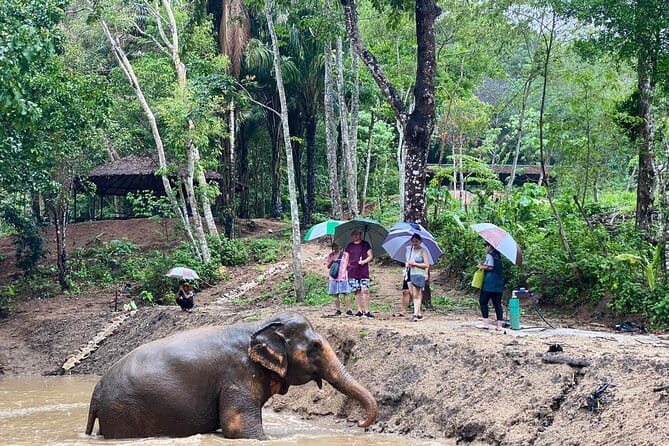
Next comes time for elephant education and observation around the natural water ponds and features. In a good sanctuary setting, elephants don’t appear on cue—they show up when they want to.
That makes this segment more interesting than you might expect. Instead of a fixed route, you’re reading elephant behavior: their pace, where they pause, how they choose paths, and how water becomes part of the day.

Elephant dung recycling center and vitamin balls
Later, you visit the elephant dung recycling center. This is one of the most practical “behind the scenes” parts of the visit. You’ll learn how dung is recycled at the sanctuary, which turns a topic most people avoid into a real care system.
Then you make vitamin balls. This is the hands-on moment people tend to love most because you’re contributing to enrichment in a controlled, respectful way. The mahouts guide you through prep so you’re doing it safely and correctly.
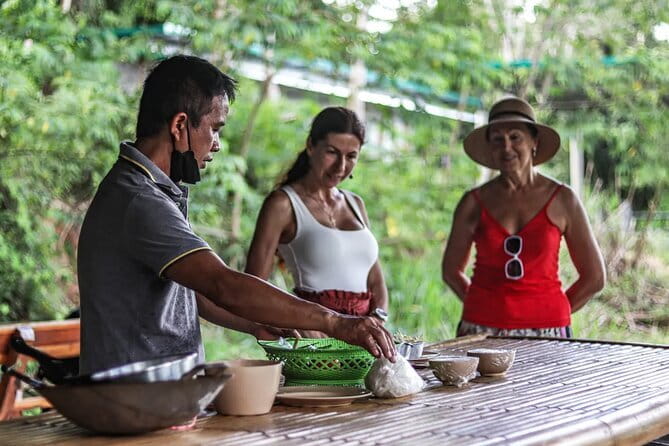
Thai cooking class demo and lunch
The Thai cooking session and lunch demo is part of the same half-day program. Some schedules start with cooking (many participants describe a first hour cooking class followed by lunch), so you might spend your earliest time learning to cook before the elephants.
Either way, it’s a smart pairing. You get a satisfying meal and a cultural activity that doesn’t conflict with the sanctuary’s rules. And after time in the heat, a proper lunch with a set plan feels like a win.
Feeding vitamin balls the right way with mahouts (without touching)
One of the best parts of this experience is the difference between feeding as a performance and feeding as care.
You’ll prepare elephant food and make vitamin balls alongside the process led by the mahouts. The key point is that you’re not doing hand feeding or direct contact. You’re participating through guided steps, then the feeding happens in a hands-off, sanctuary-approved way.
That helps on two levels:
- You can feel good about what you’re doing. You’re not training the elephants for tourist contact.
- Your photos still work. Since the elephants aren’t being forced into poses, you’re more likely to capture natural moments—elephants moving, pausing near water, or staying calm while you observe nearby.
The dung recycling center: the most “real care” lesson you’ll take home
Most animal encounters never explain waste handling. Here, the dung recycling center turns that into education, and it’s surprisingly meaningful.
You’re learning that care is systems: food, wellbeing, and hygiene all connect. Recycling dung isn’t a flashy “wow” moment, but it’s exactly the kind of practical operation that separates real sanctuaries from places built mainly for entertainment.
If you care about animal welfare, this stop gives you something to think about later, because it’s proof of ongoing management—not just a one-time rescue story.
Guide impact: why Tom, Steve, and Dong get mentioned so often
The experience lives or dies on interpretation. What you’ll notice here is that the guide’s job isn’t only logistics—it’s teaching you how to read the sanctuary.
In the feedback, guides like Tom, Steve, and Dong show up as standout names. The common thread: they explain elephant behavior and, just as importantly, why certain tourist practices are harmful.
So even if you’ve visited animal places before, you’ll likely leave with a clearer understanding of how to spot ethical versus exploitative experiences in Thailand. That’s value you can carry beyond Phuket.
What to wear and bring for the humid Phuket reality
This is an outdoors half-day, and it can get hot and sticky. People note that the elephant viewing stretch is about the right length because the weather can be intense.
Here’s the practical checklist:
- wear comfortable shoes for walking on uneven ground
- bring or wear hat and sunglasses (those aren’t included, even though water is)
- use sun protection, since you may spend time watching at jungle areas and watering holes
- bring an own water bottle if you like, since the program gives water for refills but doesn’t list your bottle as included
Also, keep your expectations aligned with the sanctuary rules. You may feel tempted to reach toward elephants, especially when they come close, but the experience is designed to keep space respectful.
Who this half-day elephant experience is best for

This is a strong match if:
- you want elephants without riding, bathing, or touching
- you like animal education that’s practical, not preachy
- you’re traveling as a family and want kids to understand ethical limits (this type of structured learning tends to land well)
- you want a half-day plan with a satisfying add-on (Thai cooking lunch) instead of a long day tour
You might consider another option if:
- you hate heat and can’t handle outdoor time
- you require private transport or door-to-door pickup, since transport isn’t included
- you want a lot of physical interaction (this sanctuary does not do that)
Should you book Phuket Elephant Nature Reserve Ethical Sanctuary?
I’d book it if your goal is to see elephants in a sanctuary setup where the rules protect the elephants first. The biggest reasons are the clear ethical boundaries, the structured hands-on element of making vitamin balls, and the added education like the dung recycling center.
Also, the value equation works well because you’re not only buying elephant observation—you’re getting Thai cooking and lunch, water, a guide, and insurance in one half-day block.
My advice for making a confident choice:
- Plan for the weather and wear sun-and-walk friendly gear.
- Bring a camera you can keep steady, since you’ll want photos during jungle and water-pond moments.
- Go in expecting observation and learning, not touching and selfies.
If that sounds like your kind of animal travel, Phuket Elephant Nature Reserve is a smart, meaningful pick.
FAQ
How long is the Phuket Elephant Nature Reserve half-day experience?
The experience runs about 3 hours 30 minutes (approx.).
What’s included in the half-day program?
It includes a Thai cooking class demo and lunch, hands-off meet-and-feed with elephants, elephant jungle nature observation, elephant dung recycling center (half-day only), making vitamin balls (half-day only), water, a tour guide, and insurance.
Are touching, bathing, or hand feeding allowed?
No. The experience does not permit touching, bathing, or hand feeding.
Is Thai lunch included?
Yes. A Thai cooking class demo and lunch are included in the half-day program.
Do I need to bring a water bottle?
Water is provided for a refill station, but your own water bottle is not listed as included.
What should I wear or bring?
Comfortable shoes are not included, and the listing notes you should bring hat and sunglasses. These items are practical for the outdoors.
Is transport provided?
No. Transport is not included.
How do I get my tickets?
You’ll receive a mobile ticket.
Is there a cancellation option?
Free cancellation is available. You can cancel up to 24 hours in advance for a full refund.