REVIEW · PHUKET
Freediving in Phuket – SSI – AIDA – Molchanovs – PADI
Book on Viator →Operated by SSS Phuket · Bookable on Viator
Breath-hold skills, taught in Phuket’s clear water. This 2-day beginner course builds your technique and safety habits fast, then takes you to open water around Racha Yai. You choose the certification track you want: SSI, AIDA, PADI, or Molchanovs.
Two things I really like: you start in a controlled pool setting to get comfortable, and you finish with real “out there” sessions where the island scenery actually matters. There’s also a small-group feel (maximum 5 travelers), and the instruction quality shows—feedback I’ve seen highlights teacher Ruddy as an excellent coach who helps you improve step by step.
One thing to consider: this experience needs good weather. If Phuket conditions are rough, plans can shift, and you’ll want to stay flexible with your dates.
In This Review
- Key Things That Make This Phuket Freediving Course Worth Your Time
- Price and Value: What You’re Really Paying For
- Picking the Right Certification: SSI, AIDA, PADI, or Molchanovs
- Day 1 at SIS Kata: Pool Training You Can Actually Trust
- Static and dynamic skills
- Why pool day is the smart move
- Day 2 on Koh Racha Yai: Open-Water Sessions With Island Views
- What to expect on the boat day
- Session pacing and what it means for beginners
- Transfers, Meeting Point, and How Easy This Is to Fit Into Your Phuket Stay
- Equipment Rental: A Quiet Win for First-Timers
- Safety and Instruction: What the Best Feedback Tells You
- Who This Course Is Best For (And Who Might Want Something Else)
- What to Bring and How to Prep (Without Overthinking It)
- Should You Book Freediving in Phuket With This 2-Day Beginner Course?
- FAQ
- What certification options are available for this course?
- How long is the experience?
- Where do the sessions take place?
- Is equipment included?
- What’s included for meals?
- Is the course dependent on weather?
Key Things That Make This Phuket Freediving Course Worth Your Time
- Choose your certification body (SSI, AIDA, PADI, or Molchanovs) so your training matches your goals
- Pool day first so you can practice the core skills and safety basics before the sea
- Small group size (up to 5 travelers) helps you get more attention during skill work
- Racha Yai open-water sessions with multiple scheduled 50-minute periods
- Equipment rental included so you can travel lighter
- Hotel and boat transfers plus basic meals make logistics easier
Price and Value: What You’re Really Paying For
At $328.65 per person for a ~2-day course, the price isn’t just about being taken to the water. You’re paying for three practical things that matter for beginners:
1) Guided progression: You start with pool training and then move to open water on day two. That sequence helps you learn faster because you’re not trying to figure things out while everything feels new.
2) Gear and support: Full equipment rental is included, plus transfers are handled. For a first course, that’s a big deal. It removes the guesswork of what to bring, what fits, and what’s actually needed.
3) Meals and time efficiency: Breakfast and lunch are provided on the second day, and the schedule keeps you from scrambling for food after boat time.
If you have to price it against doing “just a tour,” this is more like buying the instruction system plus access—especially since you get open-water sessions around a well-known island route.
You can also read our reviews of more tours and experiences in Phuket.

Picking the Right Certification: SSI, AIDA, PADI, or Molchanovs
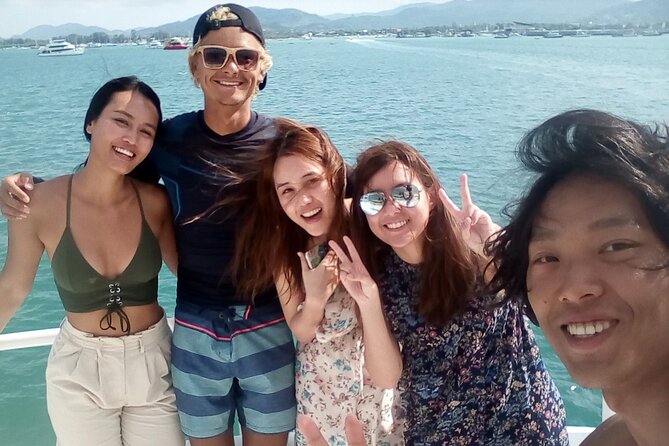
You’ll have a choice of certification paths: SSI, AIDA, PADI, or Molchanovs. That’s useful because different freediving communities value slightly different approaches. If you already have a brand you want to stay consistent with, picking early saves headaches later.
If you’re completely new, the most important point isn’t which acronym looks best. It’s that the course is designed as a first-level beginner setup with safety emphasized. You’ll get the same general structure—learn the basics first, practice in the pool, then apply it in the sea—while your certification format keeps you on a recognizable track.
Day 1 at SIS Kata: Pool Training You Can Actually Trust
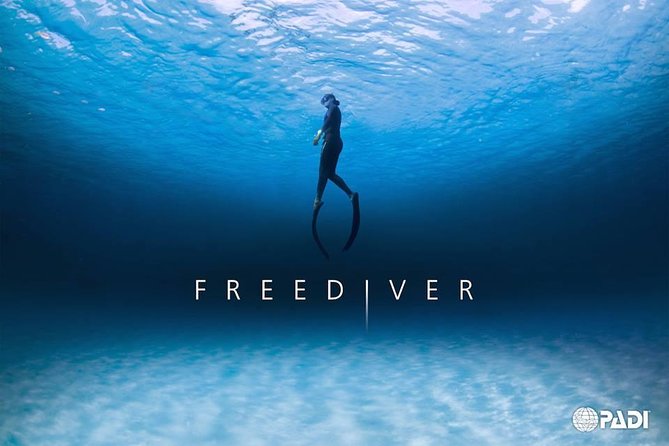
Day one starts at 9am at the SIS Kata pool. This is where the course earns its beginner-friendly reputation.
You begin with an orientation talk about what freediving is about and how to handle it. That matters because it’s not only about technique—it’s also about building the mental and safety habits that keep you calm. Then the pace stays slow and made for everyone, not just people who already feel comfortable in the water.
Static and dynamic skills
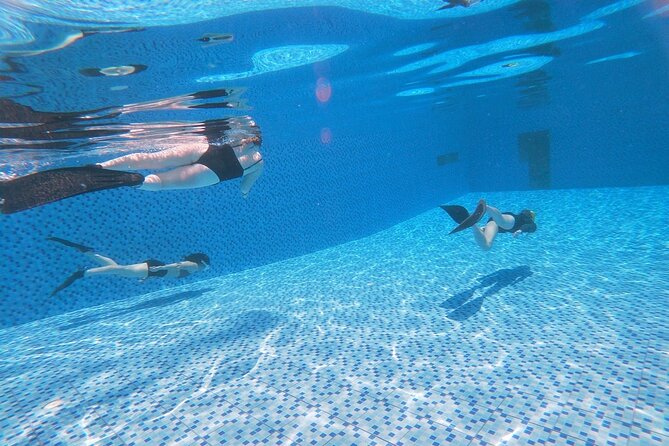
In the pool, you practice static and dynamic freediving. Static typically focuses on breath-hold control and body position, while dynamic adds movement components. Even if you’re new, doing both in a controlled environment helps you understand how your breathing and body positioning change when you’re not simply standing still.
Why pool day is the smart move
Beginners often underestimate how much first sessions are affected by discomfort: cold water, gear fit, nerves, and the feeling of being underwater. The pool day lets you iron out those issues before the boat day. You’re not guessing in open water—you’re practicing a foundation.
Day 2 on Koh Racha Yai: Open-Water Sessions With Island Views
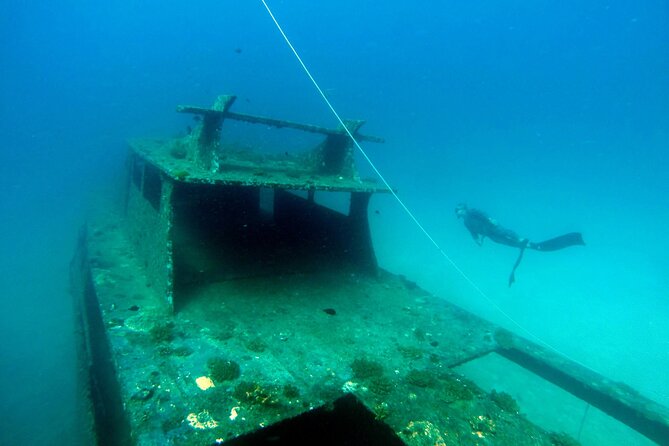
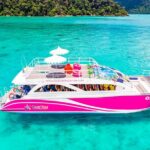
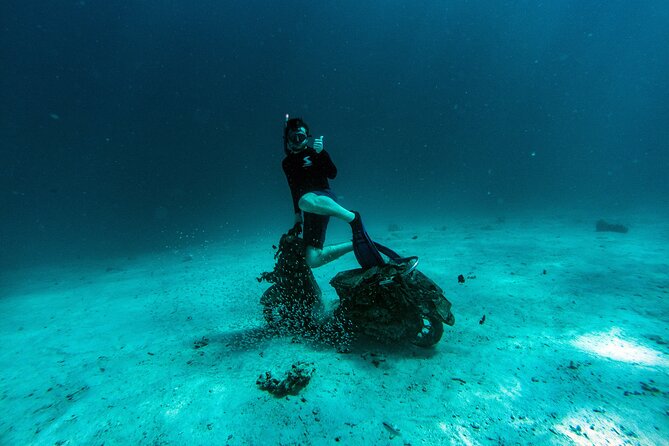
On day two, hotel pickup is 7:30am. Breakfast and lunch are provided, and you head out by boat to freedive around Koh Racha Yai. The plan is two to three sessions, each scheduled for 50 minutes, with a return around 3pm.
What to expect on the boat day
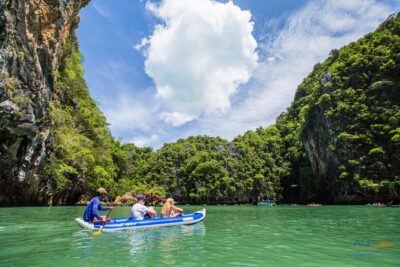
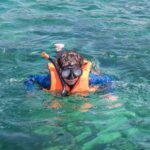
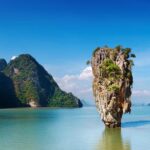
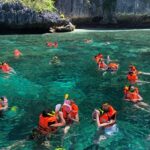
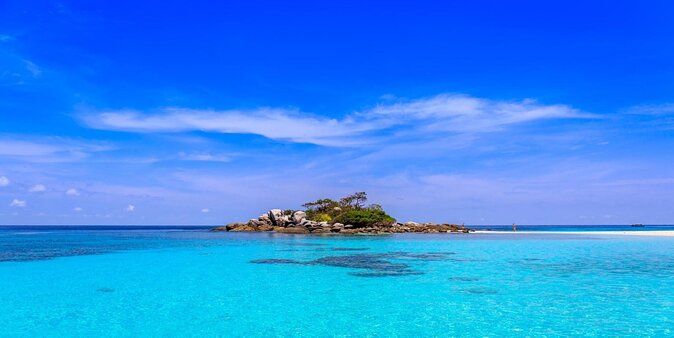
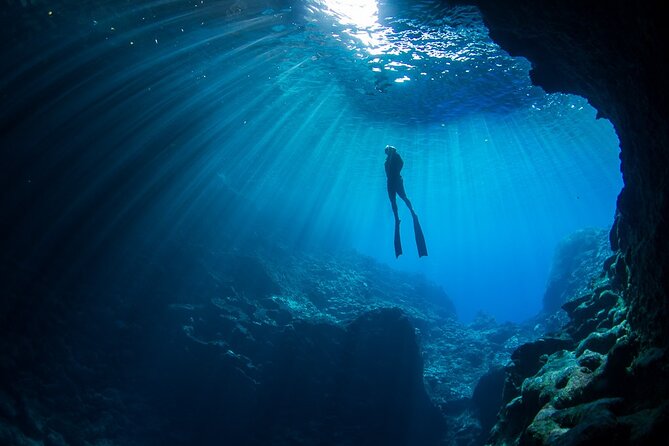
This is the “apply it for real” part of the experience. After pool work, you’ll be using your breath-hold skills and comfort-building drills in open water conditions. Visibility around Racha Yai is a big part of why this area is popular, and the feedback I’ve seen emphasizes how beautiful the water is.
Session pacing and what it means for beginners
The course doesn’t throw you into marathon training. Multiple sessions let you improve between attempts, rather than treating every breath-hold like it’s your only chance. For first-time freedivers, that pacing is where real progress happens.
If you’re worried about timing, the 3pm return keeps the day from running forever. You’ll still have time to shower, eat, and plan the rest of your evening.
Transfers, Meeting Point, and How Easy This Is to Fit Into Your Phuket Stay
This experience includes round-trip transfers (hotel and boat). On day two, transportation is available for the Patong, Karon, Kata, Chalong, and Rawai areas, and the free transport coverage specifically lists those options plus Chalong, Kata, Kata Noi, Karon, and Patong. In practice, this means you’ll want to double-check where you’re staying so you’re on the correct pickup route.
The activity start/end area is at R8FM+73 Rawai (R8FM+735 Rawai), Mueang Phuket District, Phuket.
Also, the experience is designed to be straightforward logistically: you get a mobile ticket, and confirmation is typically sent within 48 hours of booking (depending on availability).
Equipment Rental: A Quiet Win for First-Timers
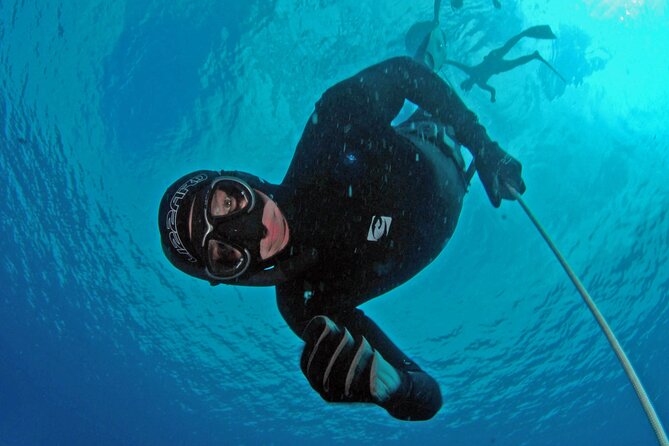
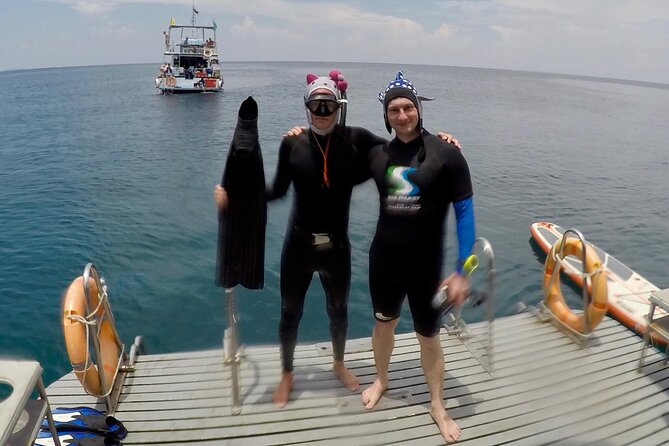
You get complete equipment rental included. That’s one of the most valuable parts of a beginner course because gear issues are a common reason people stall early.
You don’t have to figure out what to bring, what brand works, or whether your fit is correct. You can focus on the actual skills—static and dynamic practice day one, then application around Racha Yai day two.
Safety and Instruction: What the Best Feedback Tells You
The strongest praise in the feedback I’ve seen centers on instruction quality. In particular, teacher Ruddy gets credited as an excellent coach who helps students improve.
That aligns with how a good first course should work: you want someone who can break skills down, adjust your technique without shaming you, and keep the pace appropriate for beginners. The course also explicitly keeps day one slow and beginner-friendly, which is exactly what you want when you’re learning breath-hold control and water comfort at the same time.
Who This Course Is Best For (And Who Might Want Something Else)
This is a good fit if:
- You’re a beginner and want a structured start with pool training before open water
- You care about safety and a calm pace
- You want equipment handled and transfers arranged
- You want a recognized SSI/AIDA/PADI/Molchanovs certification option
- You prefer smaller groups (maximum 5 travelers)
You might want a different option if:
- You already have strong freediving skills and are looking for advanced training
- You can’t be flexible with weather (the experience requires good conditions)
What to Bring and How to Prep (Without Overthinking It)
The data you provided doesn’t list specific packing items, so I won’t invent a checklist. But for your own comfort, I’d still plan for the usual Phuket realities: sun protection, a dry change of clothes, and a way to keep your valuables safe after pool and boat time.
Since you’ll be in the water for multiple sessions over two days, build your prep around being able to rinse, rest, and eat normally afterward—especially because day two includes breakfast and lunch but you’ll still need your own evening recovery.
Should You Book Freediving in Phuket With This 2-Day Beginner Course?
I’d book it if you want an easy-to-manage first freediving education with real water time. The combination of pool practice, open-water sessions around Racha Yai, equipment rental, and transfers makes it a strong value for beginners. Plus, the instruction gets high marks, with Ruddy specifically praised for helping students improve.
Skip it only if weather uncertainty would ruin your plans, or if you already have advanced freediving experience and want something more specialized than a first-level course.
If your goal is simple—learn safely, get practical coaching, and experience Phuket’s water with structured sessions—this course hits the right notes.
FAQ
What certification options are available for this course?
You can choose from SSI, AIDA, PADI, or Molchanovs for your first-level freediving certification path.
How long is the experience?
It runs for 2 days (about 2 days total).
Where do the sessions take place?
Day one happens at a swimming pool at SIS Kata. Day two takes place in open water around Koh Racha Yai.
Is equipment included?
Yes. Complete equipment rental is included.
What’s included for meals?
On day two, you’re provided breakfast and lunch.
Is the course dependent on weather?
Yes. The experience requires good weather, and if conditions are poor it may be canceled with an alternate date or a full refund offered.