This is a calmer elephant day in Phuket. In just 1 hour 30 minutes, you watch elephants act naturally, feed them from a safe fenced area, and learn rare Thai skills like rubber tapping and making coconut-milk Thai food. The only real catch: pickup timing can be a make-or-break detail if you’re trying to start exactly on schedule.
What I like most is the focus on welfare: no elephant riding or bathing, clear rules against loud noise, and staff and mahouts managing things at every step. The other standout is how compact and structured the experience is, so you’re not stuck in a long tour bus day to get a few moments with the elephants. If you’re counting on a smooth start, plan a little buffer for pickup and arrive ready to go when your session begins.
In This Review
- Key highlights at Bukit Elephant Park (Mini Elephant Nature)
- A sanctuary-style elephant visit, without the rides or bath
- The 1.5-hour flow: how your mini tour usually runs
- Elephant feeding from a fenced area (and why it matters)
- Thai culture lessons: rubber tapping plus coconut milk and cooking
- Rubber tapping and rubber sheet making
- Coconut milk making and Thai food cooking
- Rules on photos, sound, and getting close
- Logistics in Phuket: pickup, session times, and a key timing risk
- Price and value: is $45.62 a fair deal?
- What you get included
- What costs extra
- Who this mini elephant tour is best for
- Should you book Mini Elephant Nature at Bukit Elephant Park?
- FAQ
- FAQ
- Does this tour include elephant riding or bathing?
- How do you feed the elephants during the tour?
- What Thai cultural activities are included?
- What time does the mini tour run?
- What’s included in the ticket price?
- Are there extra costs for pickup from certain beach areas?
- Is there a limit on how many people join each session?
- Can I cancel for a full refund?
Key highlights at Bukit Elephant Park (Mini Elephant Nature)
- Elephants in a sanctuary setting with natural walking and strict behavior rules
- Feeding with a fence between elephants and visitors, supervised by guides and mahouts
- No riding or bathing, which keeps the experience more animal-friendly
- Thai culture demos: rubber tapping and rubber sheet making
- Thai food learning plus a coconut milk making session
- Small-group feel with a maximum of 30 travelers per session
A sanctuary-style elephant visit, without the rides or bath
If your idea of an ethical elephant day means calm observation and clear boundaries, this mini program fits. Bukit Elephant Park is built around the idea that elephants should move freely in their space, not get crowded, prodded, or forced into staged “shows.” You’ll spend your time watching elephants at a distance, then participating in specific activities that are managed for safety.
Two big things you’ll notice right away are the tone and the rules. The park has limits on loud noises, and they also ban drones and flash photography. That matters more than people think. When the environment stays quiet and predictable, elephants can keep behaving like elephants, not like props.
The second thing I appreciate is the clear “what’s not offered” list. There’s no elephant riding and no bathing. That instantly changes the experience from thrill-seeking to observation and learning. You still get close and involved, but it’s designed to keep stress low for the animals.
You can also read our reviews of more tours and experiences in Phuket.



The 1.5-hour flow: how your mini tour usually runs
This is a true mini tour. Expect about 1 hour 30 minutes from start to finish, with guided activities that keep moving at a reasonable pace. Sessions run at fixed times: 09.00–11.00, 11.00–13.00, and 14.00–16.00. That structure helps you plug this into your Phuket day without turning it into an all-afternoon commitment.
While the exact minute-by-minute order can vary, the program consistently follows a theme: introduction, safe elephant time, then Thai culture demonstrations and a hands-on cooking experience. You’ll also get a welcoming drink and water before you settle into the activities.
Here’s the practical way to think about the experience:
- You start with orientation and instructions from the guide, including how to behave around the elephants and what areas are off-limits.
- You then observe elephants from a safe distance, guided by staff and mahouts who know how to keep both humans and elephants calm.
- Next comes the safe feeding moment, where the fence does a lot of the heavy lifting for safety.
- After elephant time, you shift into Thai culture: rubber-related demonstrations, coconut milk making, and a Thai food cooking session.
- The whole thing ends without dragging on, which is a plus if you’re traveling with kids or you want a hit of culture without a long day.
Because sessions are limited, you’re not waiting around for hours in a crowd. You get a focused run, then you’re done.
Elephant feeding from a fenced area (and why it matters)
Feeding is one of the most memorable parts, and it’s also where the park’s safety system shows up clearly. You can feed the elephants in a designated feeding area with a fence between elephants and visitors. Staff stay close to help you feed correctly and safely.
This is one of those details that completely changes how the experience feels. A fence isn’t a gimmick. It reduces chaos, reduces sudden movements from people, and gives mahouts a controlled way to manage the elephants’ proximity. It also means you’re interacting in a calm, low-stress way rather than leaning in too much.
You’re not just standing there either. The guide and mahouts provide instructions, and you’ll learn about elephant habits and history as you watch. That guidance makes your elephant time more than a quick photo stop.
One more rule to remember: the park does not allow physical or verbal violence toward elephants. It’s not just a moral line; it’s a practical one. It keeps the whole area from turning into an unpredictable scene.
Thai culture lessons: rubber tapping plus coconut milk and cooking
Phuket isn’t just beaches, and this is where the tour earns its value. After your elephant time, you’ll spend time on Thai culture activities that are tied to local life.
Rubber tapping and rubber sheet making
One standout is the rubber tapping and rubber sheet making demonstration. Rubber work is not something you see on every Phuket itinerary, and the fact that it’s included here makes the tour feel genuinely different from generic “elephant + photos” packages.
If you like learning how everyday materials are made in Thailand, this segment is a good match. It’s also one of the cultural parts that doesn’t require you to be a strong swimmer, hike hard, or sit through a long lecture. It’s structured and watchable, then tied back to Thai working traditions.


Coconut milk making and Thai food cooking
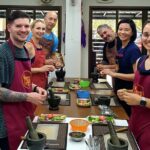
You’ll also get involved with Thai food learning. The tour includes a making coconut milk session and a Thai food cooking session. Even if you’re not a “cook at home” person, you’ll likely enjoy how it translates Thai flavors into something you can recognize later when you order food in town.
The cooking segment also helps justify the 1.5-hour length. You’re not only observing animals; you’re leaving with skills and tastes you can bring back to your own meals.
Rules on photos, sound, and getting close
This park has a clear behavior style. No loud noises. No drones. No flash photography. If you’re the type who likes taking lots of pictures, these rules actually make it easier to enjoy the moment because people aren’t acting like it’s a concert.
Also pay attention to timing and space. The elephants walk freely in the park, and visitors aren’t meant to disrupt them. That means you may feel the distance between you and the animals shift during the experience, based on how the elephants move that day.
There can also be close, calm photo opportunities depending on what the staff allows during your session. Some visitors highlight getting very personal photos, including touching, but the consistent takeaway is that it’s controlled and guided, not a free-for-all.
Logistics in Phuket: pickup, session times, and a key timing risk
There’s pickup offered, and you’ll use an air-conditioned vehicle. That’s especially helpful in Phuket’s heat. Your specific pickup spot and timing may depend on where you’re staying.
If you’re staying on certain beach areas, there’s an extra transfer cost listed:
- 250 THB/adult and 150 THB/child from Mai khao, Naiyang, Naiton, Layan Beach
If your hotel isn’t in those areas, you might have an easier time with transfer. Either way, confirm details when you book so you’re not surprised.
One practical caution: there’s been at least one real-world issue where pickup arrived late and the first part of the tour was missed. That doesn’t mean the experience is unreliable, but it does mean you should plan for the possibility of delays. If you’re switching from another activity, give yourself a buffer so a late pickup doesn’t compress your learning time.
What to bring depends on weather. During rainy season, the tour provides umbrellas and boots, which saves you from scrambling for rain gear.
Price and value: is $45.62 a fair deal?
At $45.62 per person, this mini experience sits in the mid-range for elephant-focused tours in Phuket. The value comes from what’s included and what isn’t.
What you get included
You get:
- Coffee and/or tea, plus one bottled water per person
- Air-conditioned vehicle
- Umbrellas and boots for rainy season
- English and Thai guide
- A mobile ticket
What costs extra
Not included:
- Tips
- Extra transfer fee from certain beach areas (when applicable)
So where does the value land? You’re paying for:
1) A controlled, safety-first elephant interaction, and
2) Thai culture instruction (rubber tapping and rubber sheet making, coconut milk, Thai cooking) rather than only photo time.
Also, because the program is only about 1.5 hours, you’re paying for a focused block instead of a long day itinerary. That matters for families and for anyone who doesn’t want their schedule swallowed by transport.
If you’re choosing between a cheap option and this one, consider the tradeoff carefully: experiences that add riding or bathing often cost less or offer bigger “animal thrills,” but this one pays you back in the form of ethical structure and cultural learning.
Who this mini elephant tour is best for
This is designed to be accessible. Most people can participate, and it’s a good option if you want elephant time without committing to a full-day program.
It’s especially suited for:
- Families who want an age-friendly 1.5-hour experience
- People who care about elephant welfare and prefer no riding/bathing
- Travelers who want Thai culture beyond food like demos tied to local working life (rubber tapping and cooking)
- Anyone who appreciates clear rules and a guided experience where staff manage safety closely
If you’re bringing a toddler, check the specific requirement: parents must have baby holders during the tour. That’s worth planning for ahead of time.
If you rely on a service animal, they’re allowed.
Should you book Mini Elephant Nature at Bukit Elephant Park?
I’d book it if you want a structured, welfare-focused elephant experience with real Thai cultural content packed into a short time. The lack of riding and bathing is the biggest signal, and the combination of elephant feeding (with a fence), observation, rubber work demos, and cooking makes it feel like more than a quick photo stop.
Skip it or reconsider if:
- You hate any risk of schedule disruption and you don’t have flexibility around pickup timing
- You’re expecting a long, wandering “nature day.” This is intentionally mini—you’ll get a concentrated dose, then you’re finished.
If you’re the type who likes ethical animal interactions and you also want to understand something about how Thailand makes and cooks everyday essentials, this one is a solid fit.
FAQ
FAQ
Does this tour include elephant riding or bathing?
No. The program specifically does not offer elephant riding and does not offer elephant bathing.
How do you feed the elephants during the tour?
Feeding is done at a safe feeding area with a fence between the elephants and visitors. Guides and mahouts supervise and help ensure you feed correctly and safely.
What Thai cultural activities are included?
You’ll learn about rubber tapping and rubber sheet making, and you’ll also do activities related to making coconut milk and a Thai food cooking session.
What time does the mini tour run?
It runs in three sessions: 09.00–11.00, 11.00–13.00, and 14.00–16.00.
What’s included in the ticket price?
Included are welcoming drinks (coffee and/or tea) plus one bottled water per person, an air-conditioned vehicle, umbrellas and boots for rainy season, and an English and Thai guide.
Are there extra costs for pickup from certain beach areas?
Yes, there is an extra transfer charge listed: 250 THB per adult and 150 THB per child from Mai khao, Naiyang, Naiton, and Layan Beach.
Is there a limit on how many people join each session?
Yes. The tour has a maximum of 30 travelers.
Can I cancel for a full refund?
Yes, you can cancel for a full refund if you cancel at least 24 hours before the experience starts. If you cancel less than 24 hours before, the amount paid is not refunded.